Stories of impact

Kwento sa Nayon

The people, places, and things that inspire us to keep moving forward — real stories from the communities we serve across the Philippines.

Stories of impact

The First Room: How the Climate Leadership Program began

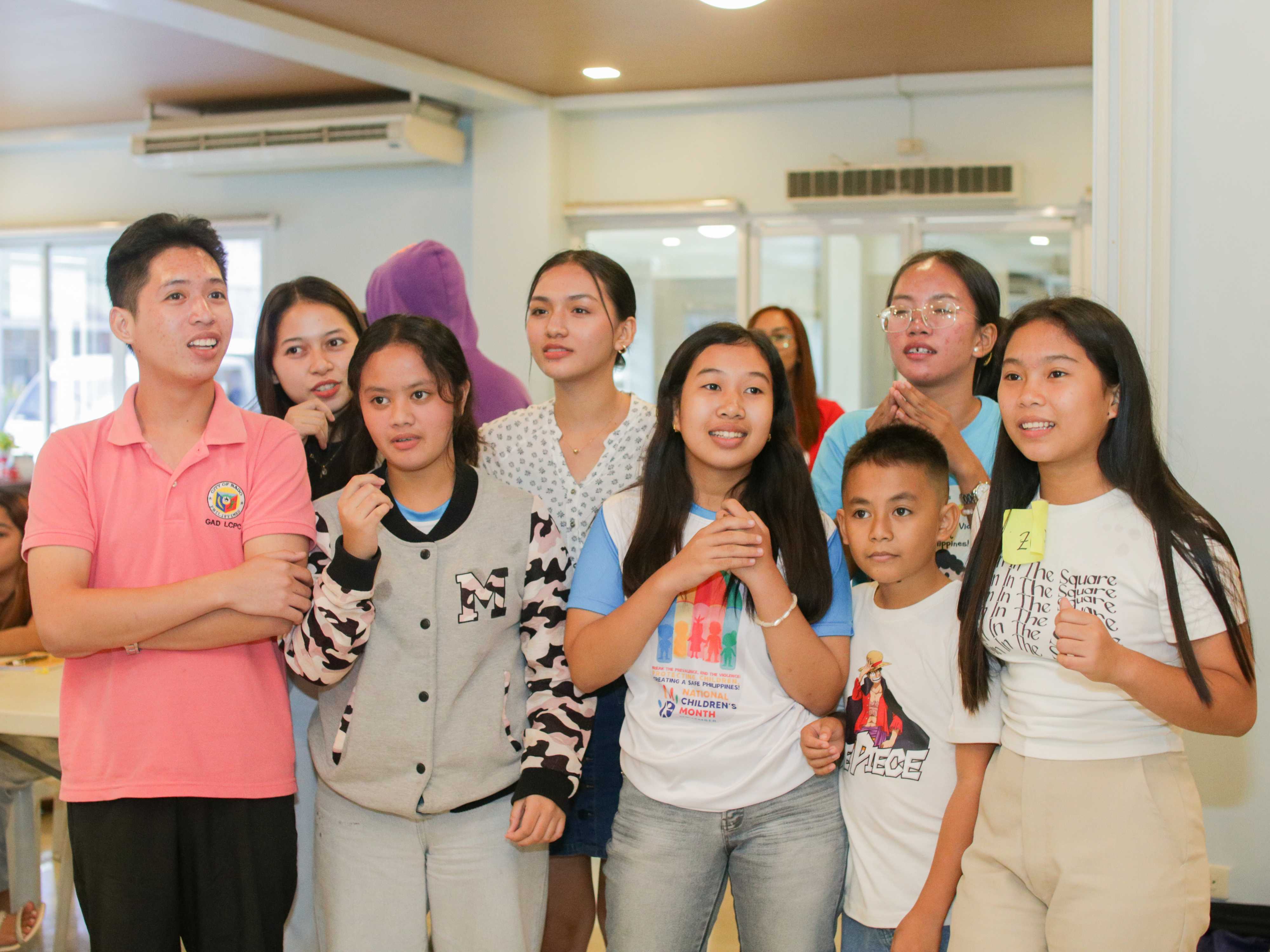
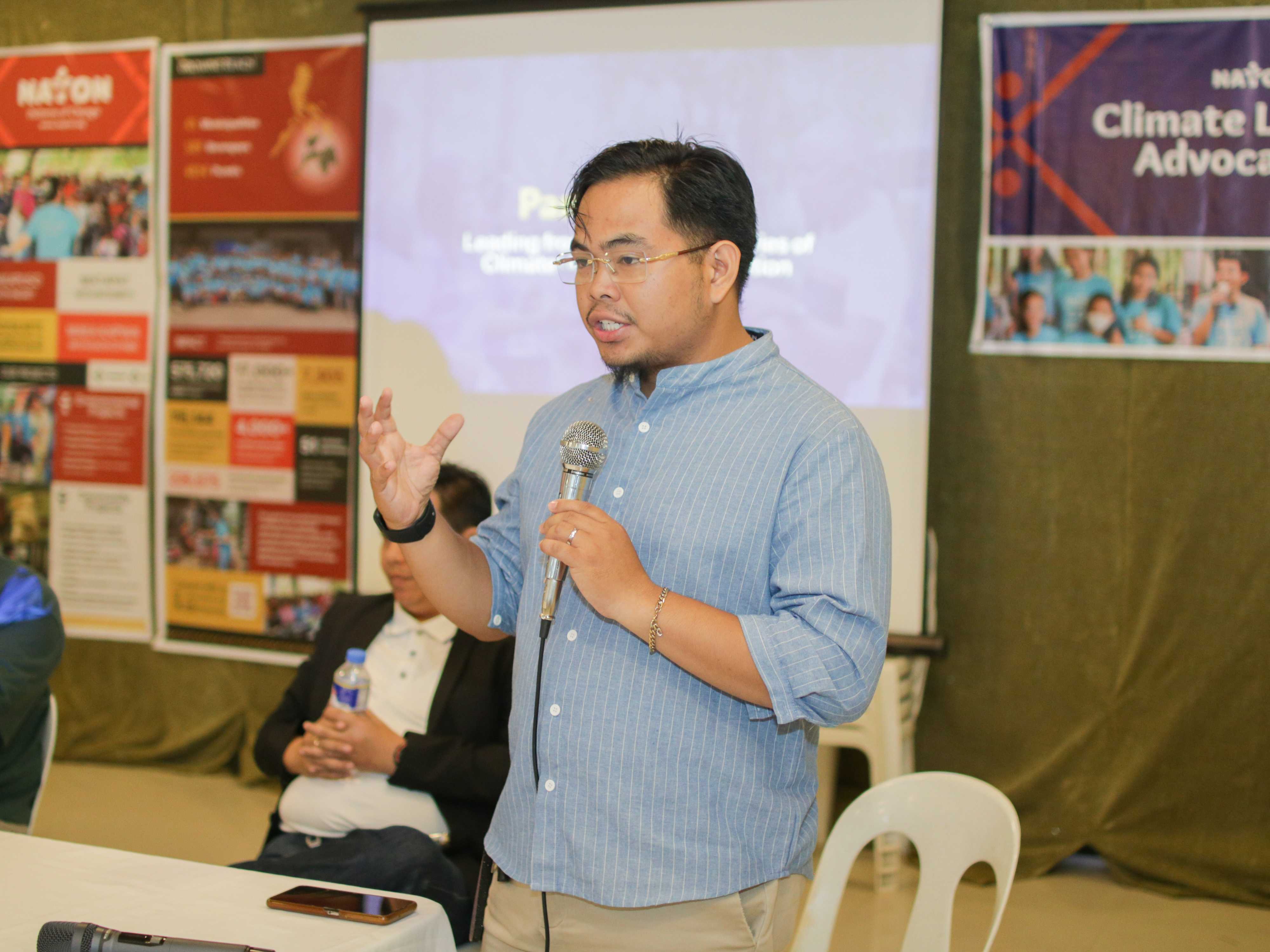
Youth leaders from across Bago City gather for Nayon's Climate Leadership Program, June 21, 2025.

The First Room: How the Climate Leadership Program began

Every program starts somewhere. Before a model is proven, before a methodology is refined, before any of the language around it settles into something repeatable, there is a first room. For our Climate Leadership Program, that room was in Bago City, on June 21, 2025.

Why Bago City, and Why Now

Bago City knows what climate change looks like up close. Sitting in a natural basin in Negros Occidental, it absorbs the floodwaters of every major typhoon that passes through. For the young leaders who gathered that day, climate vulnerability wasn't a concept to be introduced. It was the context of their lives. That made it exactly the right place to test whether a program built around youth climate leadership could land the way we hoped.

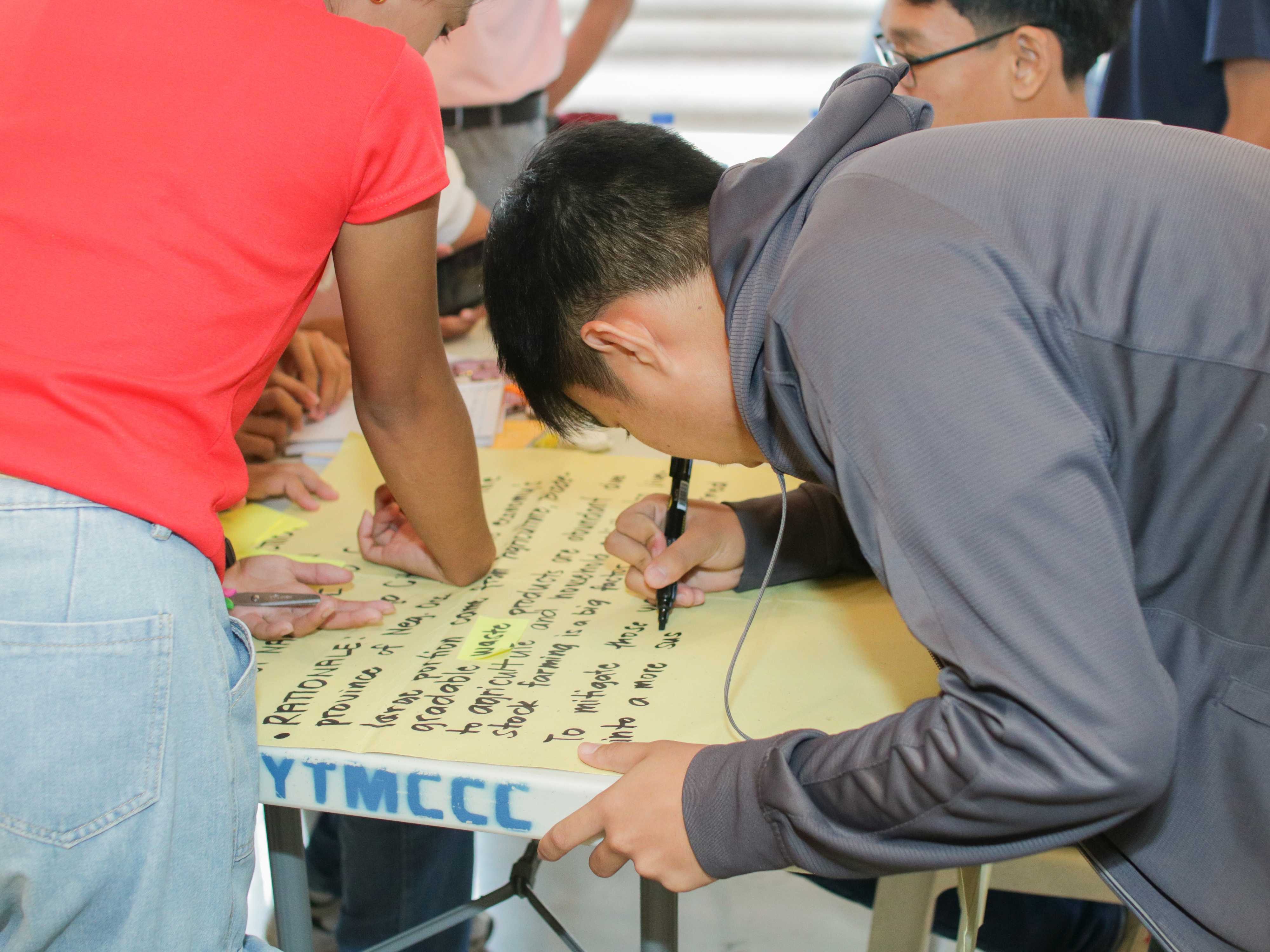
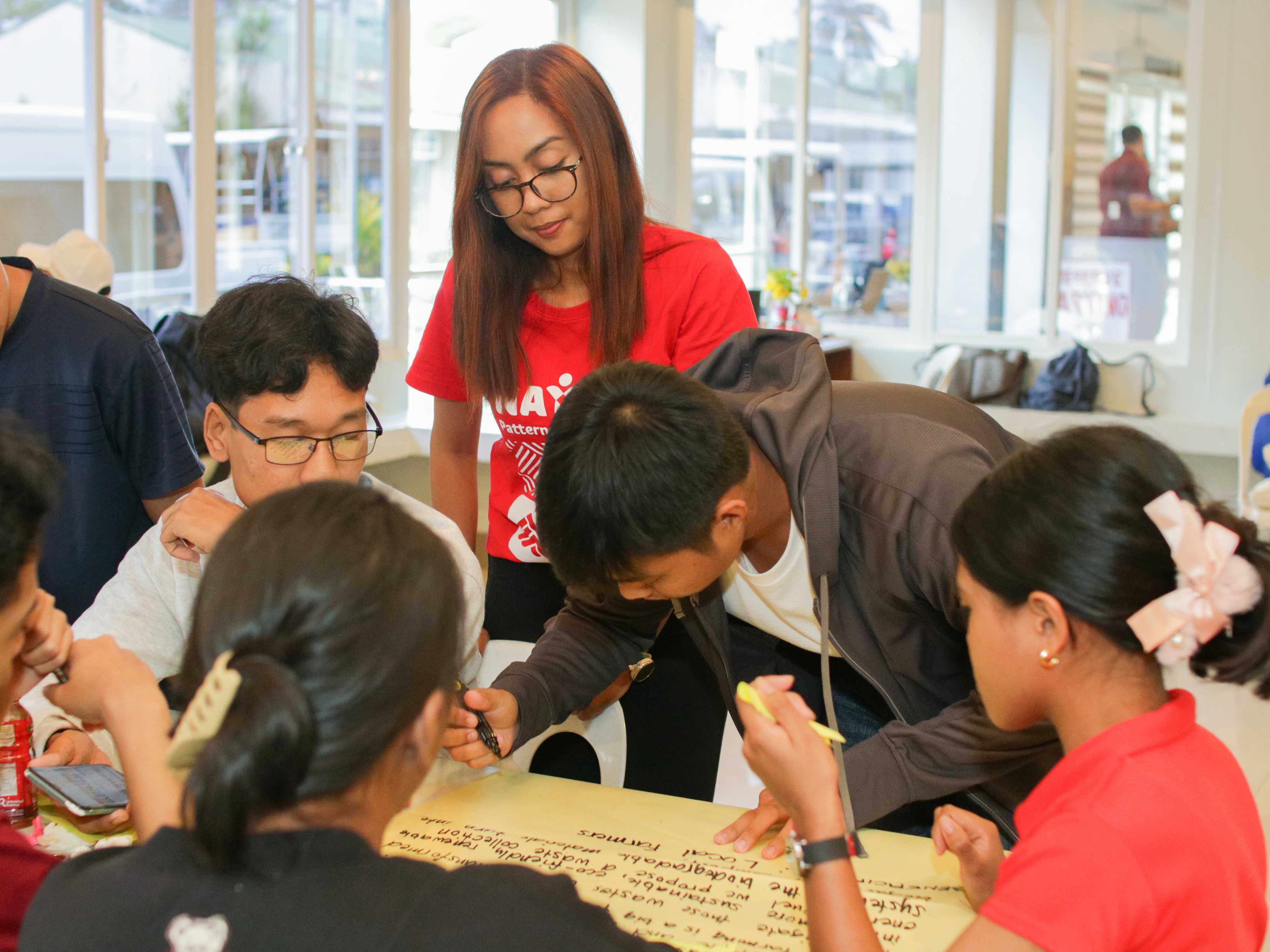
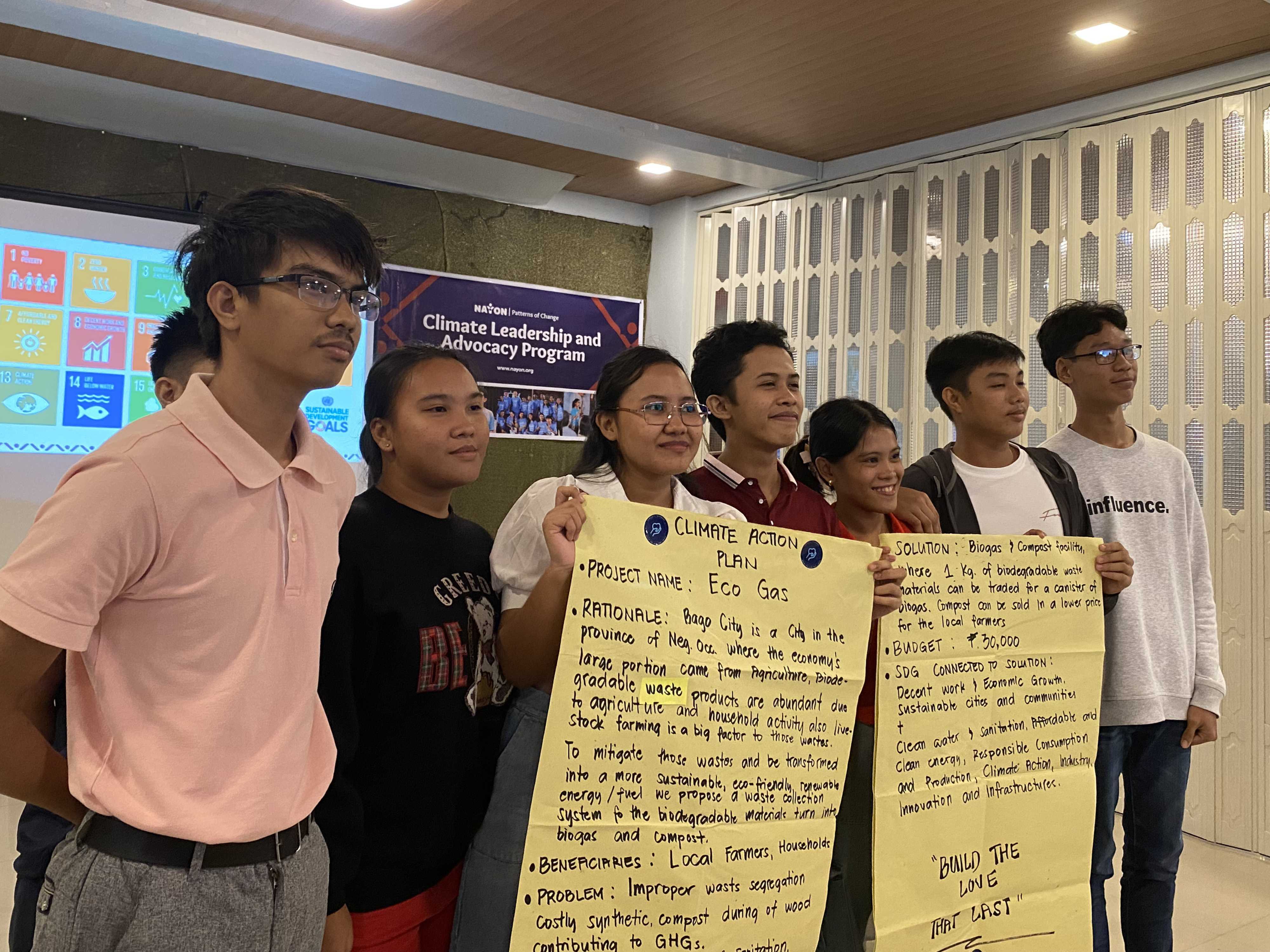
The idea behind the Climate Leadership Program had been forming for a while: that the communities most affected by climate change already have people inside them who are ready to lead, and that what those people often lack is not motivation but structure, a peer community, and the experience of being taken seriously. Bago City was where we put that idea in front of real participants for the first time. Coordinated with the City Social Welfare and Development Office, the pilot brought together youth leaders from across the city for a full day of modules, open discussion, and a workshop where participants drafted their own community climate action plans.
Young people can make a big impact. This is our home. We want to make it better.
Joshua, 16, Bago City CLP Participant

What We Were Testing

A pilot is an honest thing. It is an admission that you have a hypothesis, not a certainty, and that the only way to find out if it holds is to run it and pay close attention to what happens.

We were testing a few things at once. Whether a single well-facilitated day could move young people from climate awareness to climate action planning. Whether the workshop format, built around participants drafting proposals from their own knowledge of their barangay, would produce ideas that were genuinely grounded rather than generic. And whether the energy in the room would carry beyond the day itself, or dissipate once everyone went home.

What the participants gave us was more than we anticipated. Joshua, 16, came wanting to grow and acquire new knowledge he could share with those around him. By the end of the day he was already thinking about running his own program. Zoei, a child representative from Barangay Dulao, arrived wanting to prove that young people have their own minds and ideas, and that leadership isn't the exclusive domain of adults. Chris, a youth leader on the panel, put it plainly: young people have valuable contributions to make, drawn not just from school, but from what they observe in their own surroundings every day. These were not the responses of people who needed to be convinced that climate action mattered. They were people who needed somewhere to direct what they already knew.

What the pilot Showed Us

The ideas were already there

They each had a personal reason for being there and shared their concerns openly. The motivation was never the missing ingredient. The program's job, it turned out, was less about introducing new ideas and more about giving them the experience and structure to act on what already mattered to them.

What Comes Next

No first run is clean. The Bago City pilot taught us things about pacing, facilitation, and the kind of follow-through that keeps participants connected after the program day ends. It confirmed what we suspected about the demand being real, and it raised honest questions about how to resource the program sustainably as it grows. Facilitators, venues, materials, transportation, coordination with local government: none of it runs on goodwill alone, and building the infrastructure to support the program at scale is as much a part of the work as the program itself.

Bago City was the first room. What it gave us, beyond 37 young leaders who left with more clarity and confidence than they arrived with, was a clearer picture of what this program needs to be. The goal of 1,000 youth climate leaders across the Philippines' most vulnerable communities is built on what we learned that day, and on every iteration that follows.

Drafting community climate action plans alongside youth leaders from across the city.
MORE STORIES