Stories of impact

Kwento sa Nayon

The people, places, and things that inspire us to keep moving forward — real stories from the communities we serve across the Philippines.

Stories of impact

Before the Buhay Stove: Traditional stoves across the Philippines

Before the Buhay Stove: Traditional stoves across the Philippines

Before the Buhay Stove, there were three stones, a clay pot, or a metal grate. Open fire, gathered wood, and a smoky kitchen. For most rural households across the Philippines, this is still how meals are made. Understanding why that matters is where Project Buhay begins.

What the Kitchen Actually Looks Like

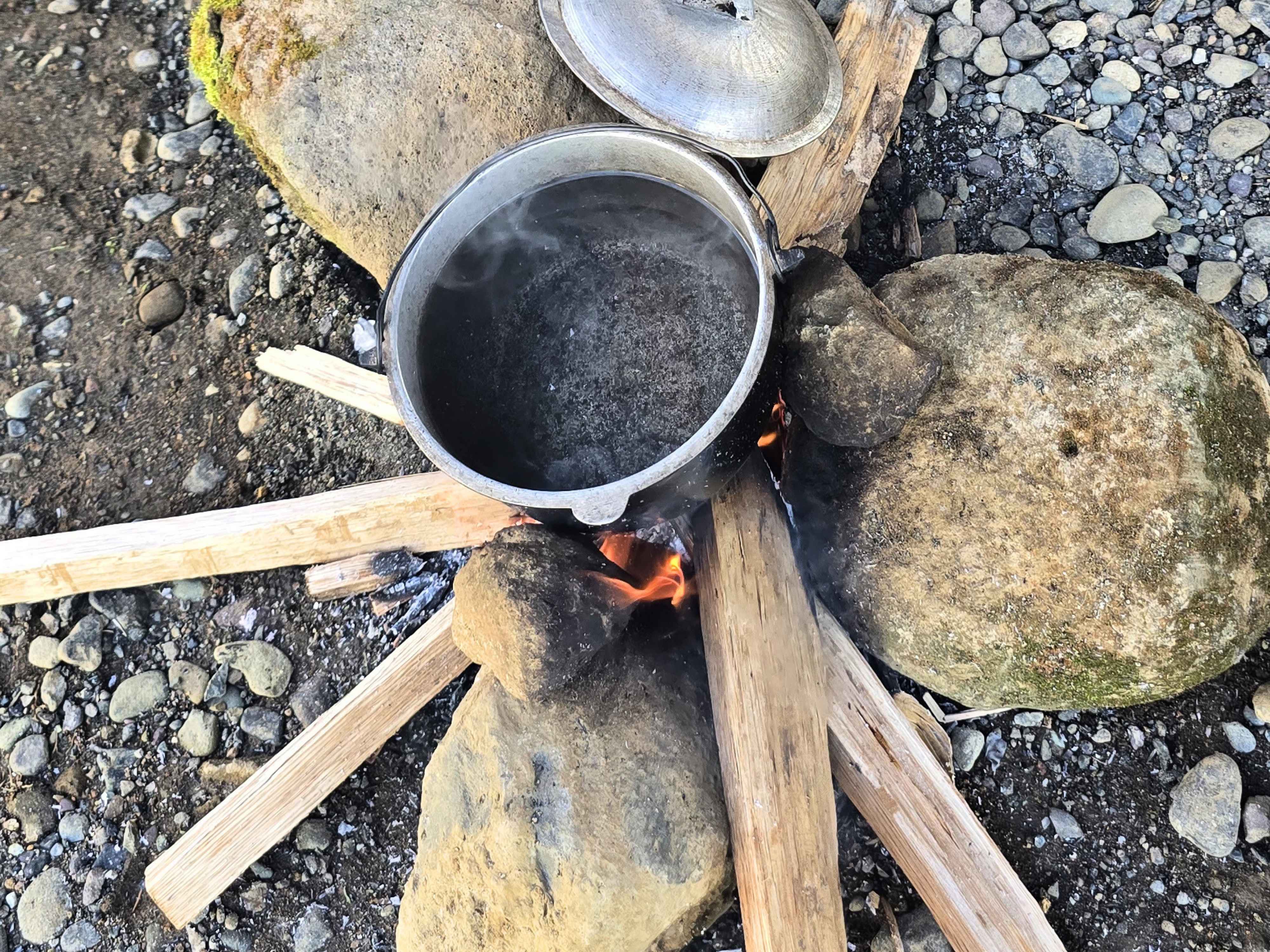
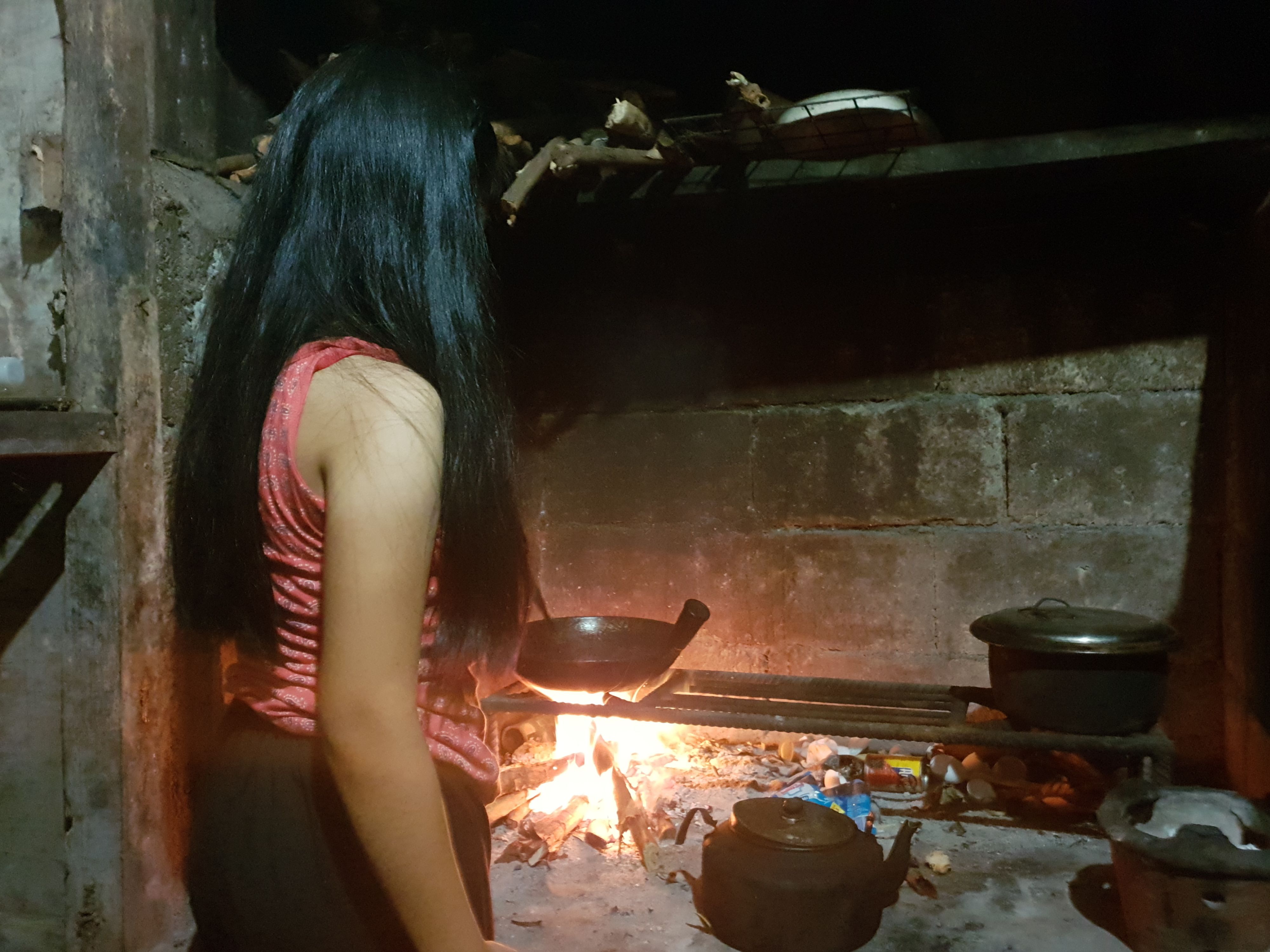
The most basic is the three-stone fire: three rocks arranged in a triangle on the ground, with wood fed into the gaps between them and a pot balanced on top. It requires nothing to build and nothing to buy. The fuel comes from whatever can be gathered nearby. It is as simple as cooking gets, and it has been in use, in essentially this form, for thousands of years.

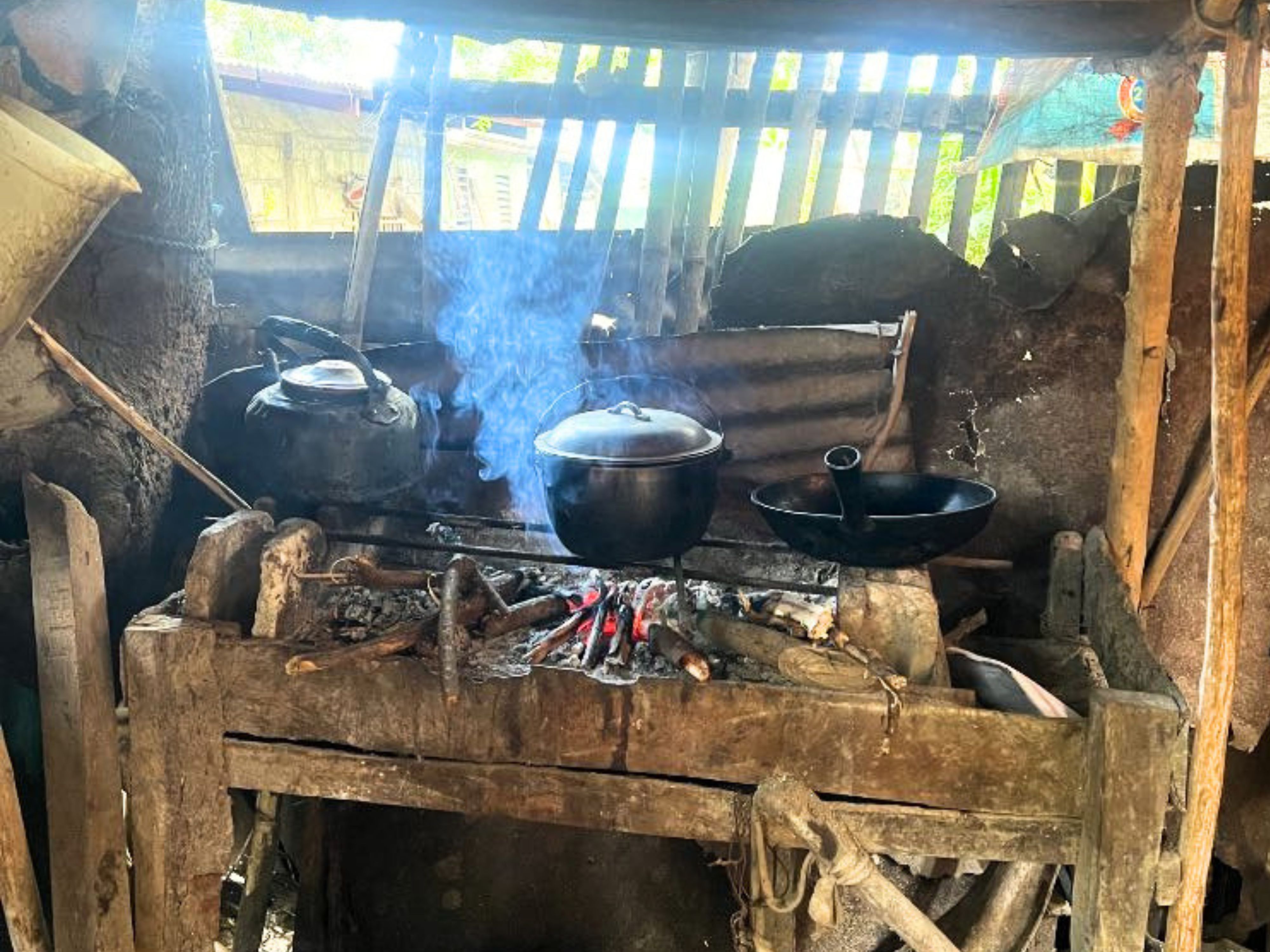
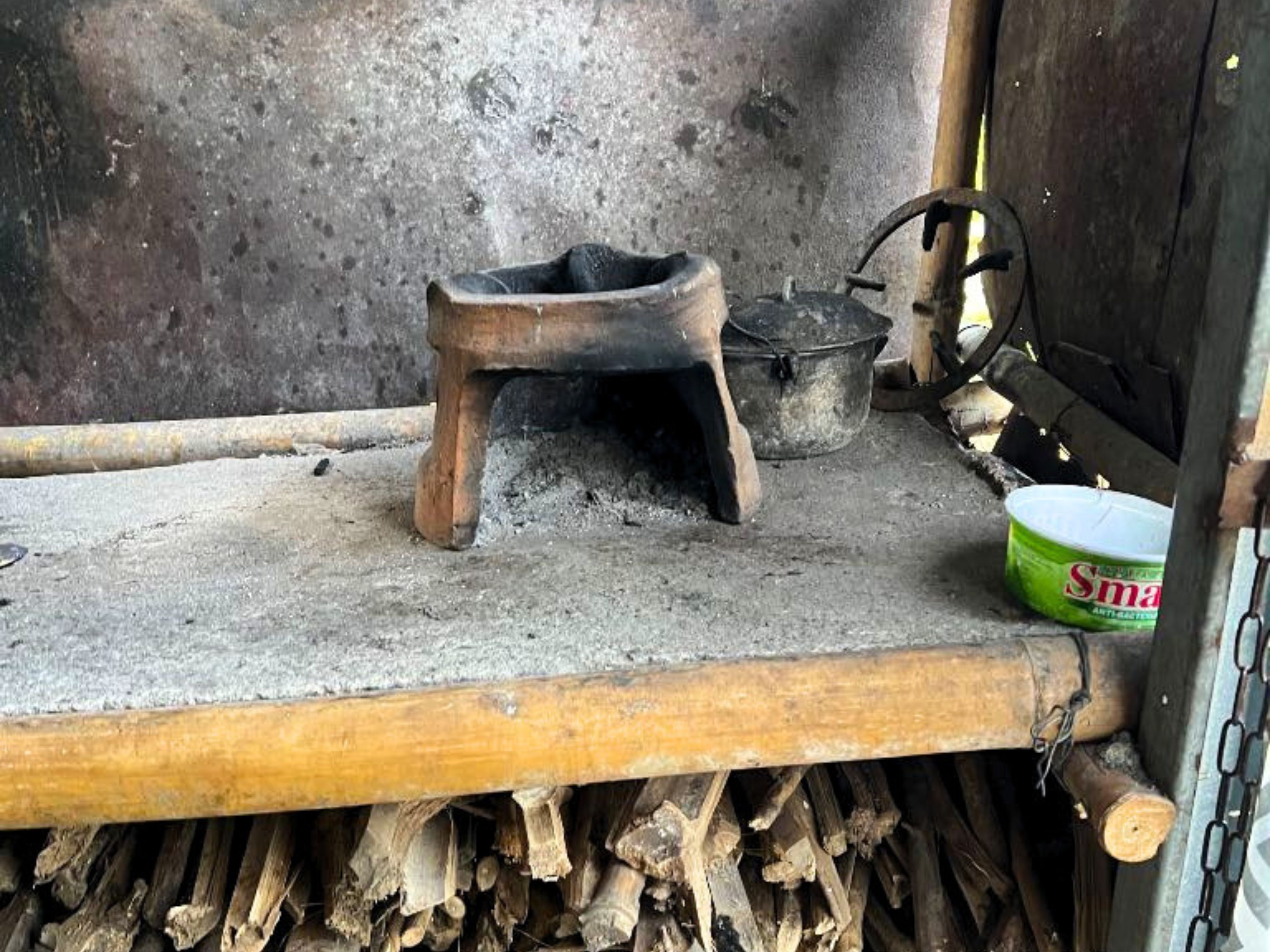
The clay pot stove is a step up in structure. Molded from clay and hardened, or sometimes simply a modified clay planter, it encloses the fire more than three stones do and can be shaped to fit a specific pot size. It holds heat better and is more stable. It also marks something of a threshold: for many households, the clay pot stove is the first cooking setup that moves indoors, a small but meaningful shift toward having a proper kitchen inside the home. But bringing the fire inside comes with a tradeoff. The clay cracks under repeated heat and the weight of heavy pots, and the smoke that once dispersed outside now has nowhere to go.

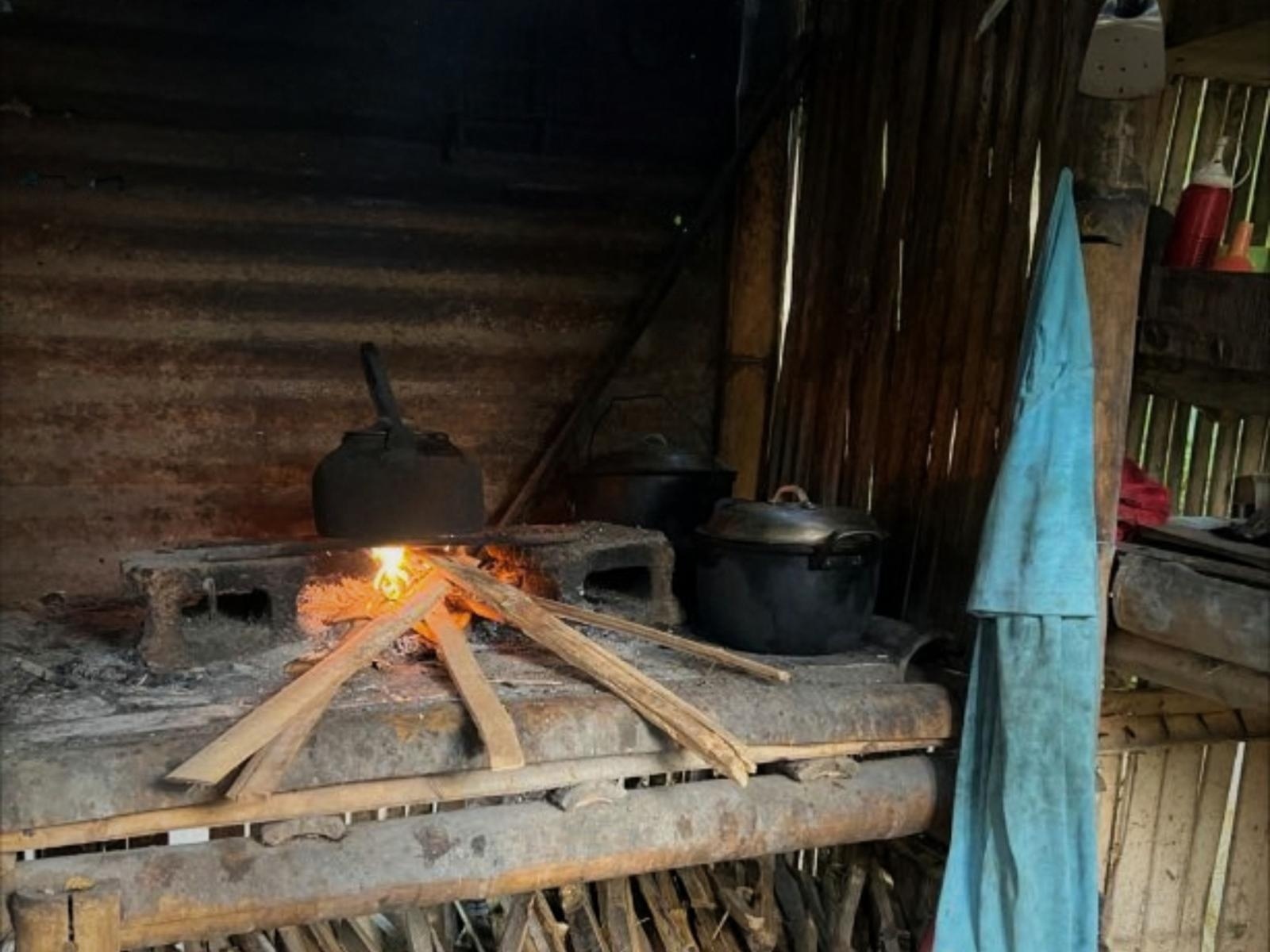
The metal bar stove is more durable still, built from two metal bars laid parallel atop blocks, with wood burning underneath and pots resting on top. It lasts longer than clay, handles heavier pots, and is found in households that have invested a little more in their kitchen setup. But durability and efficiency are different things. Of the three traditional methods, the iron bar stove is actually the least efficient: the open design lets heat escape freely, burns through wood quickly, and produces significant smoke with little containment.
These are not primitive artifacts. They are practical, familiar tools that have fed families across generations.

The Habits and Culture Built Around the Fire

Cooking with wood is not simply a fuel choice. It is a practice woven into the texture of daily life. The rhythm of gathering firewood, tending the flame, and managing the heat of an open fire is something most cooks have learned by watching a parent or grandparent do it first. The stove a family uses is often the same type their family has always used. Changing it can feel less like an upgrade and more like a disruption.

Traditional stoves are also seen as reliable in ways that newer options are not. They do not depend on a gas supply that needs to be purchased and refilled. They do not require electricity that may or may not be available. The wood is free, gathered from the land nearby. For families managing on very little, the absence of a recurring fuel cost is not a small thing. It is part of how the household budget holds together.

There is also something that data doesn't capture well: the way food tastes cooked over wood. The smoky depth that comes from an open flame, the smell of a meal that has been slow-cooked over burning wood, the particular quality of heat that a gas burner or electric coil simply cannot replicate. For many families, these are not incidental details. They are part of what makes a meal feel right, tied to memory and to the way food has always tasted in that home. Any substitute that ignores this will struggle to stick, no matter how efficient it is on paper.

According to a study by the Asian Development Bank, the Philippines ranks among the top ten countries globally with the largest populations lacking access to clean cooking fuel and technologies. Over half the country cooks exclusively over traditional stoves, with significantly higher percentages in rural areas. Fuel stacking, maintaining both a traditional and a modern stove side by side, is common even among households that have already begun to make a shift, which says something honest about how behavior change actually works: rarely all at once, and rarely without friction.

The Hidden Cost

The cost to our health

Seventy-seven percent of households cook with traditional stoves indoors. Indoor air pollution from burning wood and charcoal is the fourth largest health risk globally and is responsible for over four million deaths each year. The people most exposed are the ones closest to the fire: women, who are disproportionately responsible for cooking and fuel collection, and children under five, whose developing lungs are least equipped to cope.

Traditional clay pot stove

What Project Buhay Changes

Project Buhay was built on the recognition that this cycle of health, fuel, and environmental costs is not inevitable. It can be interrupted. The Buhay Stove was designed with that in mind. It uses the same fuel families are already familiar with, while burning it three to four times more efficiently than traditional methods. That efficiency translates to up to 70% less woodfuel consumed, and a reduction in PM2.5 particulate matter of up to 90%. It is built to last seven to ten years. It does not ask families to abandon their cooking practices. It improves them.

Critically, the Buhay Stove does not require a change in fuel source, in cooking technique, or in the basic rhythm of how a meal is prepared. It meets households where they are, which is exactly why it works at the scale it does.

Project Buhay is Nayon's first and foundational project, verified under the Verra Standard and audited annually. To date, over 115,000 households across the Visayas and Mindanao have received a Buhay Stove. Among them are more than 30,000 Indigenous Peoples, nearly 12,000 solo parents, and over 17,000 families living within conflict-affected areas where the gap between need and access has historically been widest.

Metal bar and 3-stone traditional stoves.
MORE STORIES