Stories of impact

Kwento sa Nayon

The people, places, and things that inspire us to keep moving forward — real stories from the communities we serve across the Philippines.

Stories of impact

From Students to Starters: Our program for building leaders

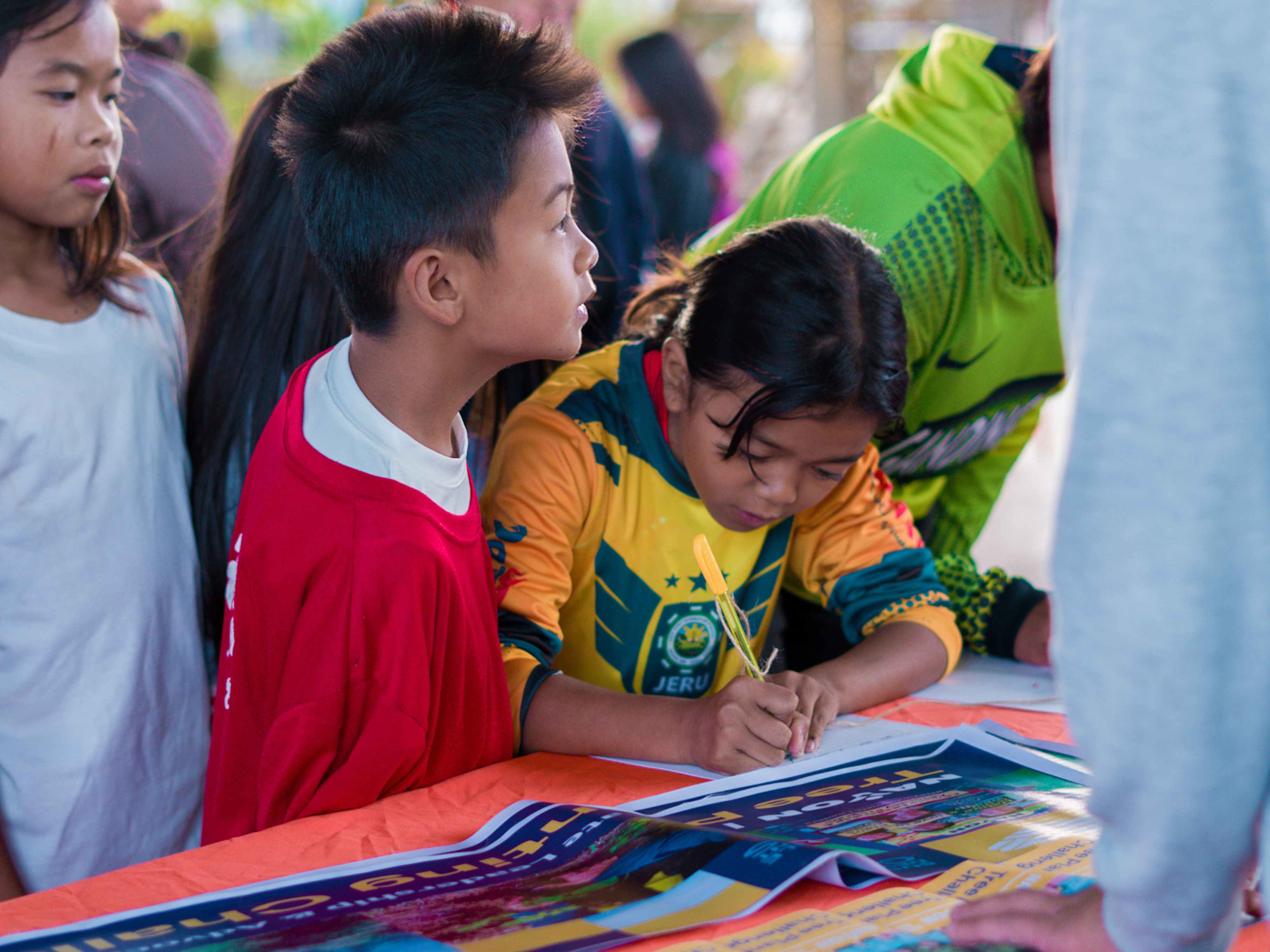
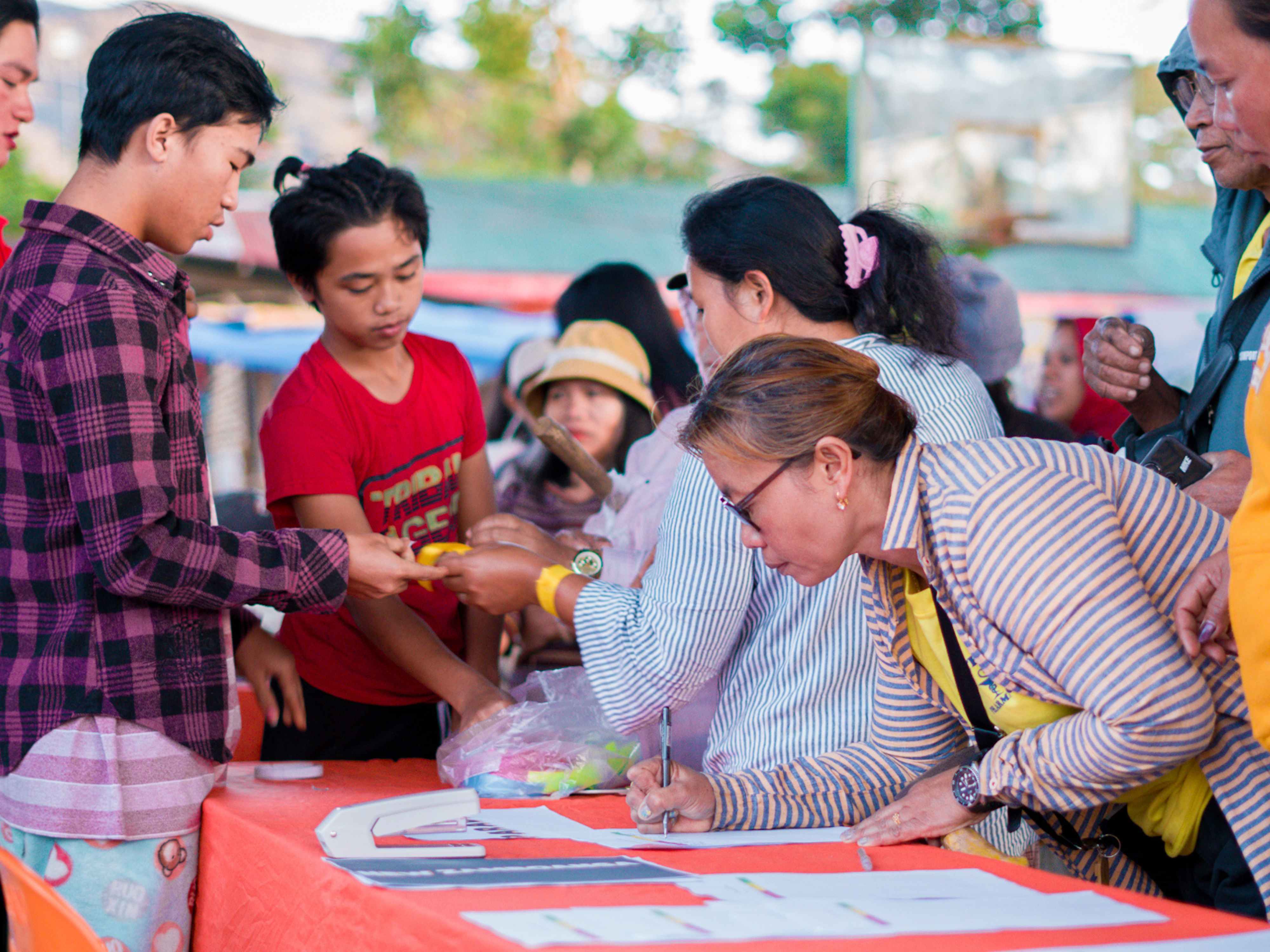
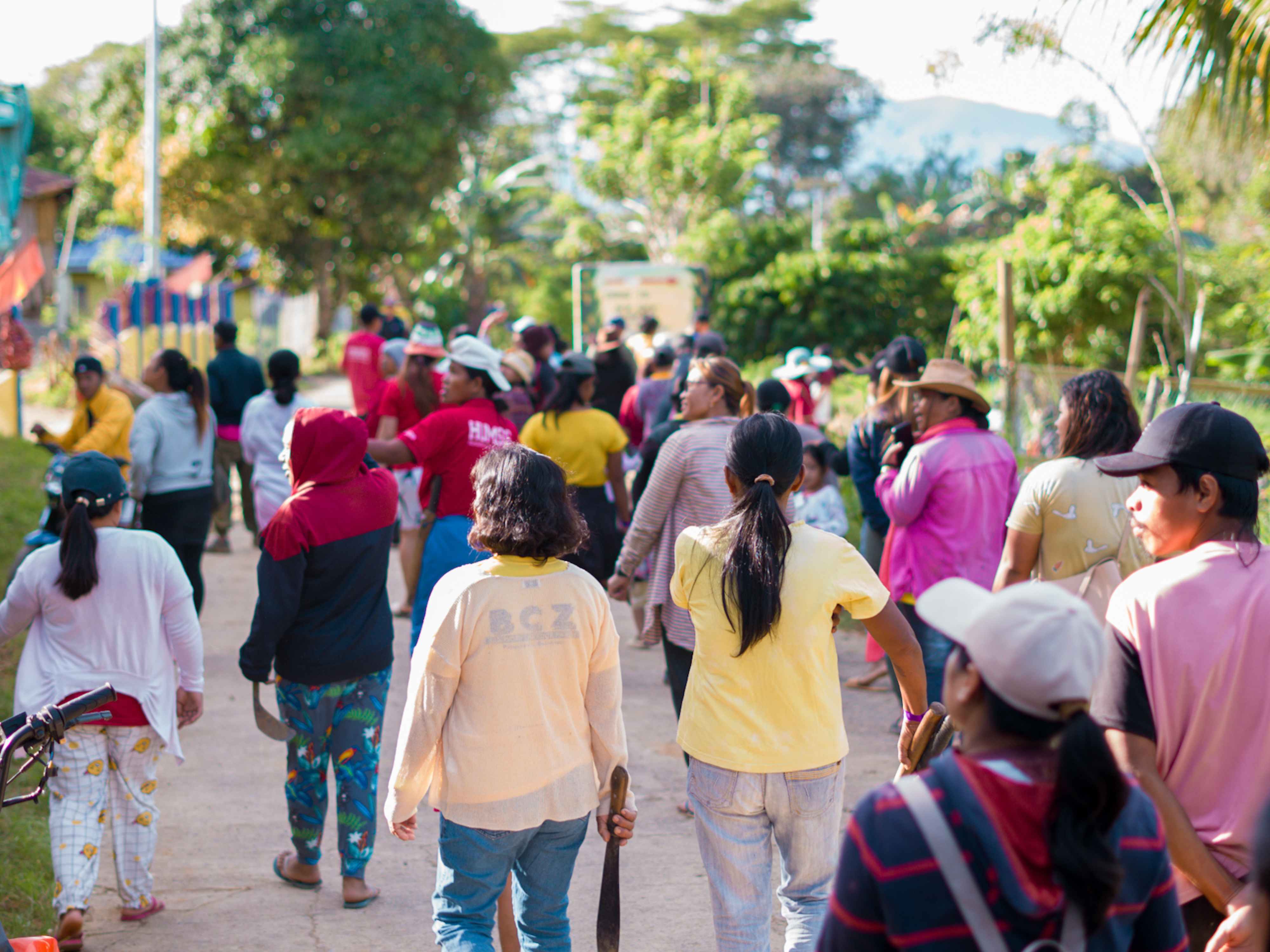
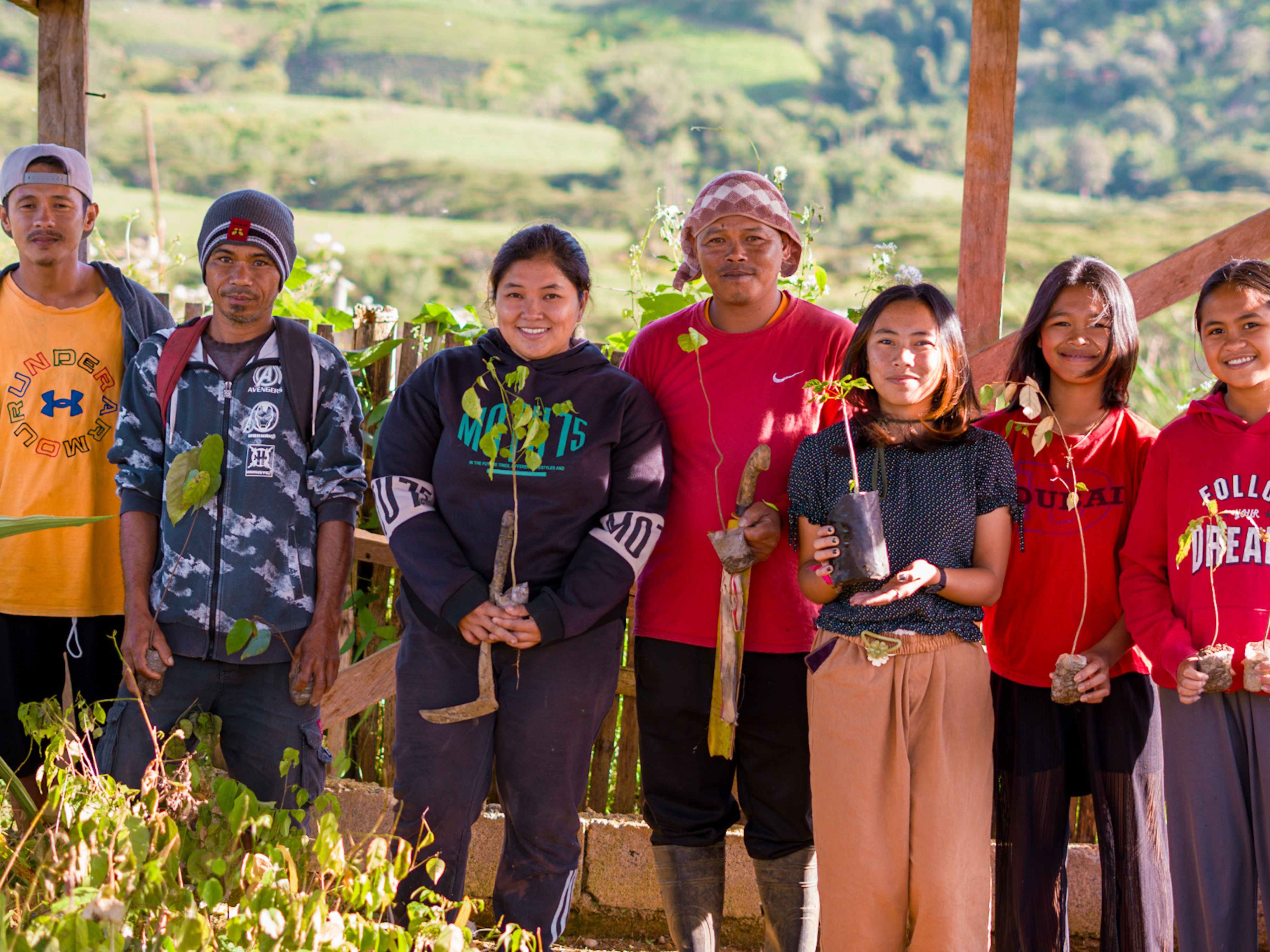
CLP graduates and community members from Barangay New Eden join the Tree Planting Challenge.

From Students to Starters: Our program for building leaders

Most climate programs measure success by what participants learn. Nayon's Climate Leadership Program measures it by what participants do next. That shift, from education to experience, didn't come from a whiteboard. It came from running pilots, watching what worked, and building toward something more deliberate.

What the pilots taught us

The early CLP pilots were built around strong content: climate science, local governance, the UN Sustainable Development Goals, community mapping. Candidates left those sessions with frameworks for issues that were already shaping their daily lives. That foundation still anchors the program today.

But the pilots also surfaced an honest question. If a young person completes this program and returns to their barangay, what do they actually do next? Who do they call? How do they take the next steps? Awareness, it turned out, was the easy part. The harder thing to build was the felt confidence that comes from having done something real.

That gap between knowing and leading is where most climate programs stop. It's where the CLP began to evolve. Not through a formal overhaul, but through iteration: each cohort a little more structured around action, each component a little more deliberate about putting candidates in situations where their choices actually mattered.
A certificate proves someone sat through a program. A project that is still impacting their community months later proves capability and experience.

Where the learning meets the ground

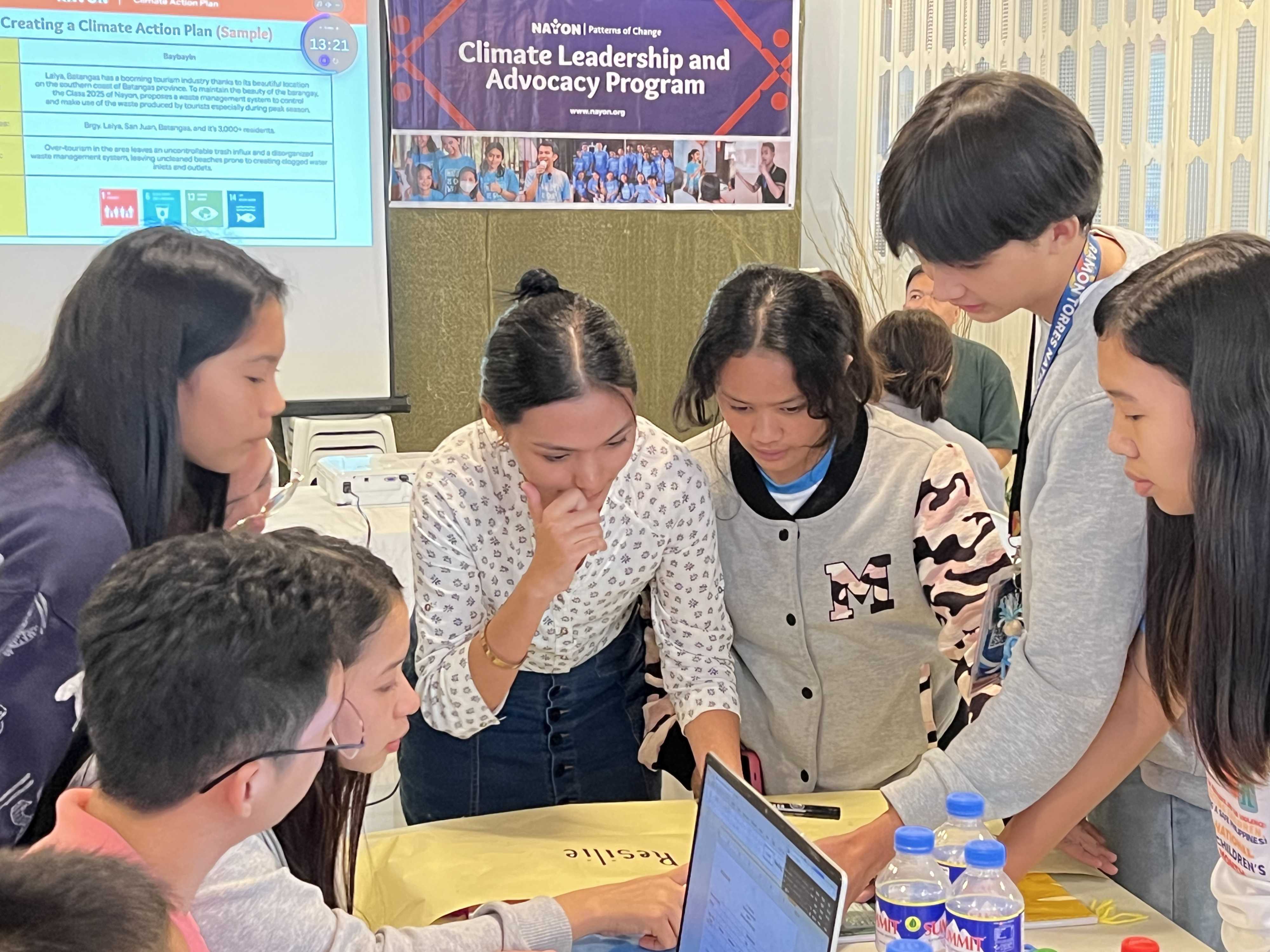
The CLP is organized around four components, and the order is intentional. Candidates begin with two days of intensive foundational sessions covering climate science, governance, expert panels, and hands-on project planning. They leave that room with context and with a set of structured projects they have designed themselves, ready to implement in their own barangay.

Then the real development begins. Candidates facilitate climate learning sessions for schoolchildren and community members. They establish composting programs in schools and households. They organize and lead Tree Planting Challenges, including the DENR and LGU coordination that most young people have never had to navigate before. Each project builds on the last, in complexity, in visibility, and in the weight of responsibility placed on the candidate's shoulders.

These are not supplementary activities attached to the end of a training. They are the training. Each one is a real initiative with real stakeholders, real logistics, and real consequences. Gawi na naton, dili lang estorya. We make it a practice, not just a story.

The accountability that comes with that is the point. When a candidate stands in front of elementary students to lead a climate session, the parents are in the room. The barangay captain may be watching. The children will remember. That kind of exposure is the environment in which confidence is built, because it is the only environment in which it can be. Not every candidate steps into it comfortably. But most of them step out of it differently than they went in.

Four Months Later

Leaders emerge from within

The structured projects are sequenced deliberately, each one a step further into real leadership. The Tree Planting Challenge comes last for a reason: it is the most complex, the most visible, and the hardest to pull off. In Barangay New Eden, CLP graduates organized 257 participants from across the community, every village represented, every generation present. For most of them, it was the first time their learning had met the ground in any tangible way.

What This Means for the Work Ahead

The Tree Planting Challenge is designed as a graduation of sorts, not from the program, but into a clearer sense of what these candidates are capable of. By the time graduates have run a composting program, stood in front of a classroom, and organized a community-wide planting event, they have a body of experience to point to. That is the foundation the rest of their development is built on.

The network that forms inside a cohort is one of the program's least visible and most durable outcomes. Young people from different barangays spend weeks working through shared challenges, learning each other's contexts, and staying in contact long after the program ends. As the CLP scales toward Nayon's goal of 1,000 youth climate leaders across the Philippines' most vulnerable communities, that network becomes a resource in itself. A graduate in Calatrava who has figured out how to engage a skeptical barangay captain has knowledge that a first-time leader in Valencia can use.

What Nayon is building is not a roster of trained individuals. It is a system. The projects create the first experiences. The network creates the connections. The alumni pathway creates depth over time. And the communities where these leaders live carry the outcomes forward long after Nayon's team has moved to the next site. Composting systems keep running. Trees grow. Children who sat in a climate session carry something home.

None of that traces back to what candidates learned in a session. It traces back to the moment they were trusted, early, to lead something real.

Padayon. Keep going.

From planning in the classroom to implementing in the field.
MORE STORIES