Stories of impact

Kwento sa Nayon

The people, places, and things that inspire us to keep moving forward — real stories from the communities we serve across the Philippines.

Stories of impact

Finding the households that are out of reach

Finding the households that are out of reach

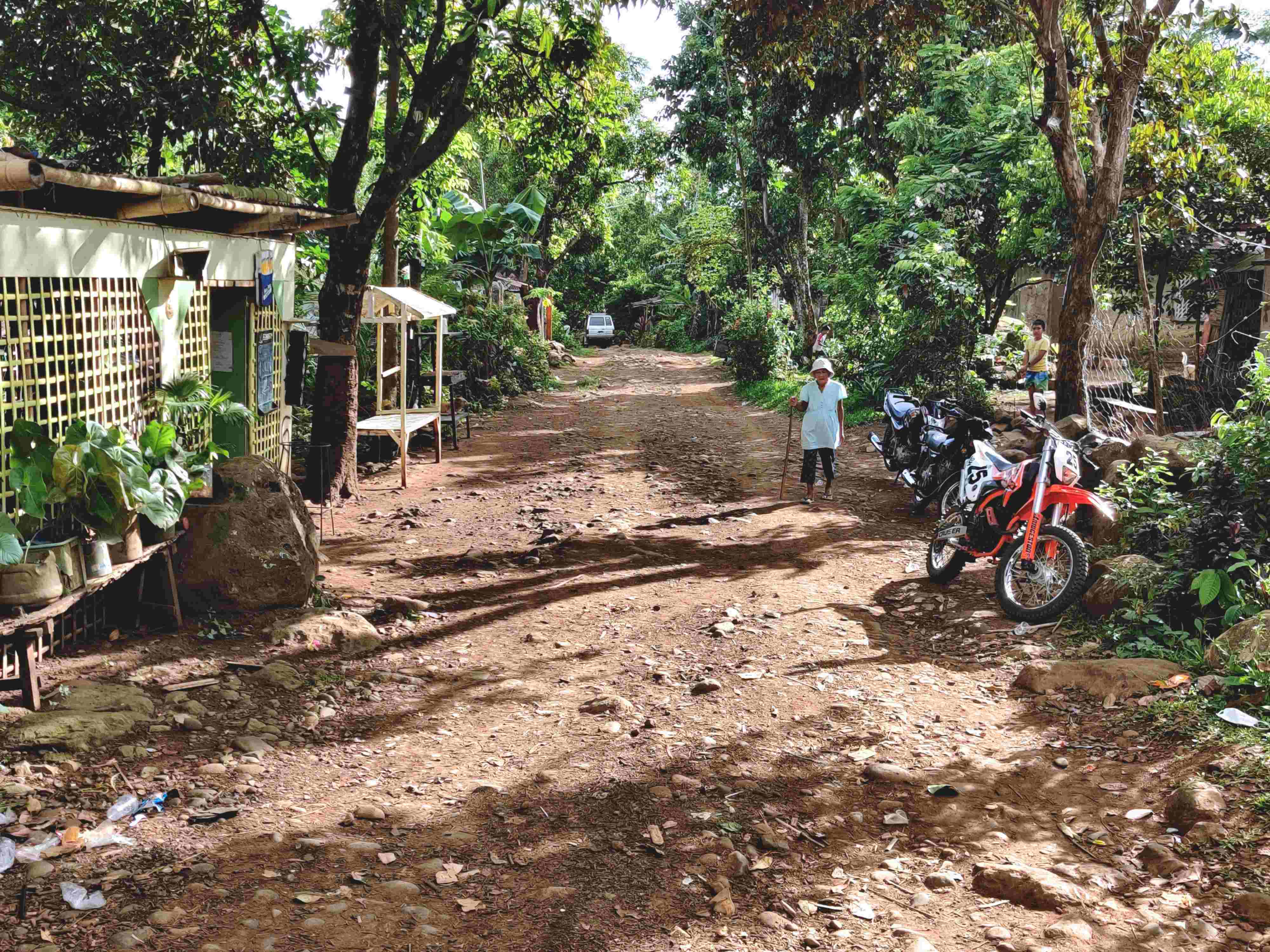
The families who would benefit most from a clean cookstove are not always the ones easiest to find. Many of them live at the end of unpaved roads, in hillside villages without covered courts or community halls, in barangays where outside organizations rarely show up and are trusted even less when they do. Project Buhay was built on the conviction that these are exactly the families worth reaching.

Who Needs It Most

Most distribution programs follow a quiet logic of convenience. They plant themselves where roads are good, where communities are organized, where the numbers fill a report cleanly. Nayon made a different calculation. The families cooking daily over open fires in the most isolated barangays are not just the hardest to reach. They are, in almost every measurable sense, the ones with the most at stake.

Finding these families required working with people who already had their trust. Before Nayon's team ever set foot in a new community, they were building relationships with health officers, social welfare workers, parish leaders, barangay officials, and grassroots organizations rooted in the area. Women's groups. Farming cooperatives. Local NGOs doing unrecognized work in places most institutions overlook. These were the people who knew which households cooked over open fires every morning, which families had never been visited by an outside program, and which villages existed, in practical terms, at the end of a road no one maintained.
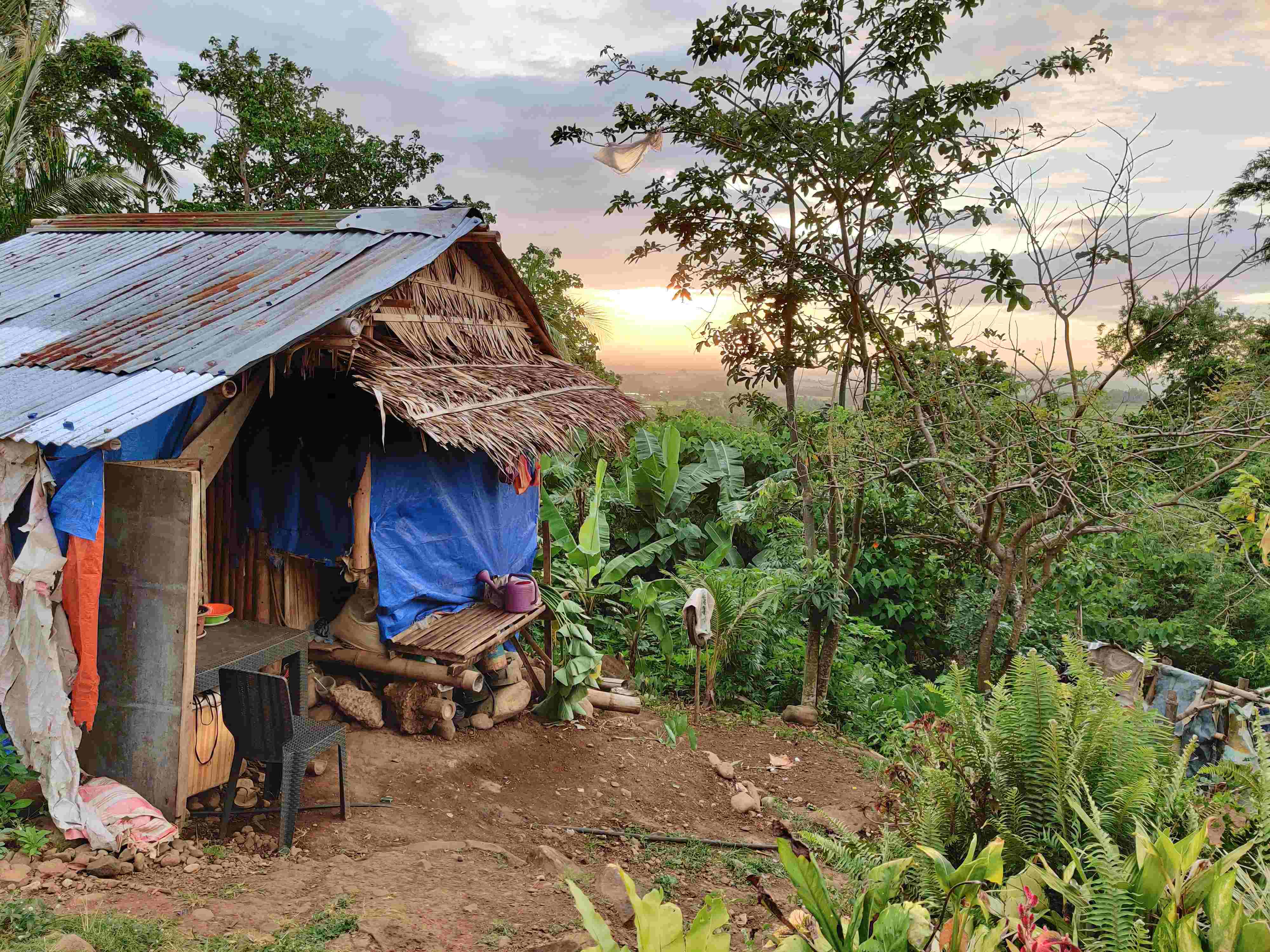
The families who need this most are not the ones easiest to count. They're the ones you have to go looking for.

The Stakes of Going Further

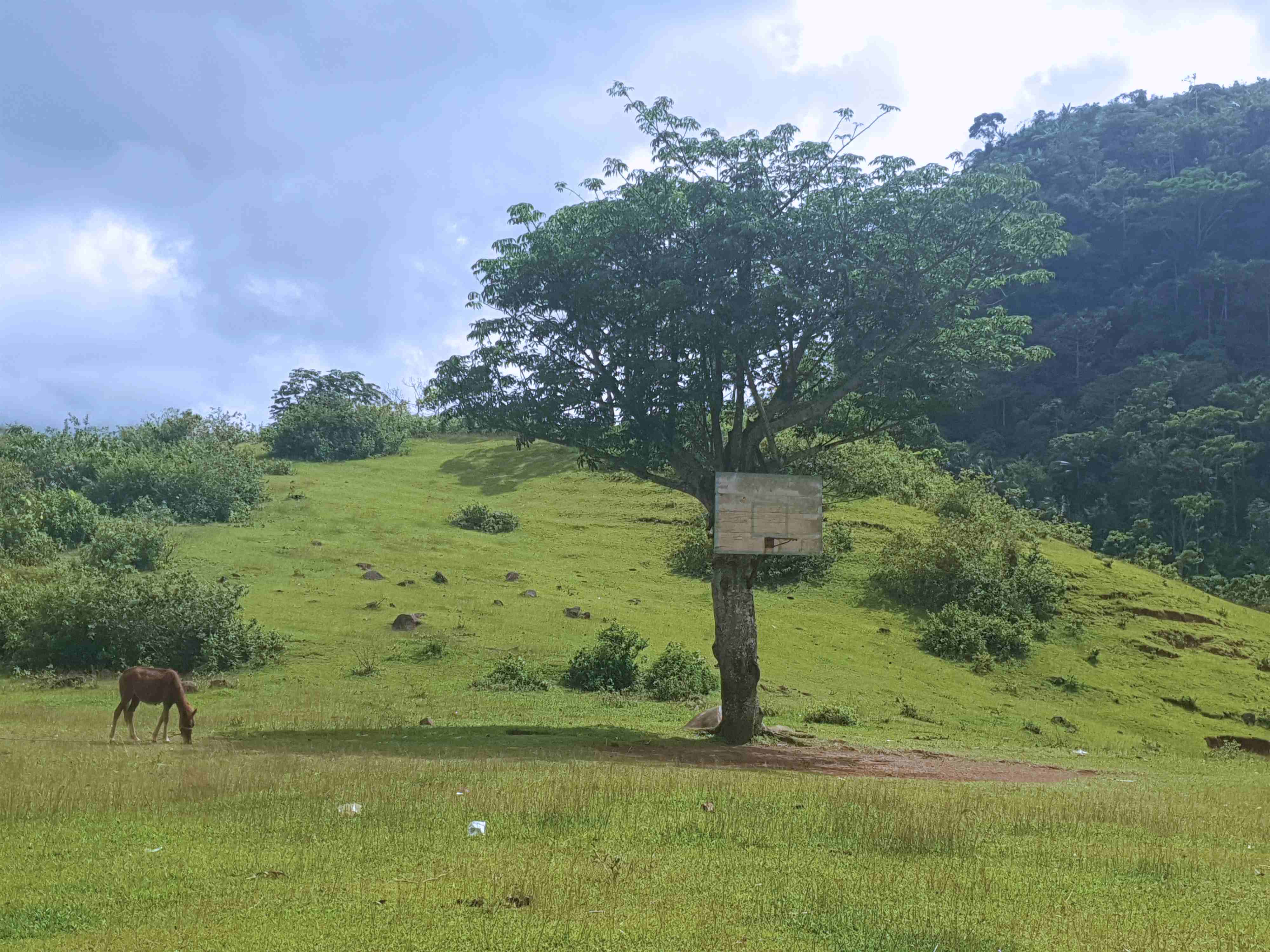
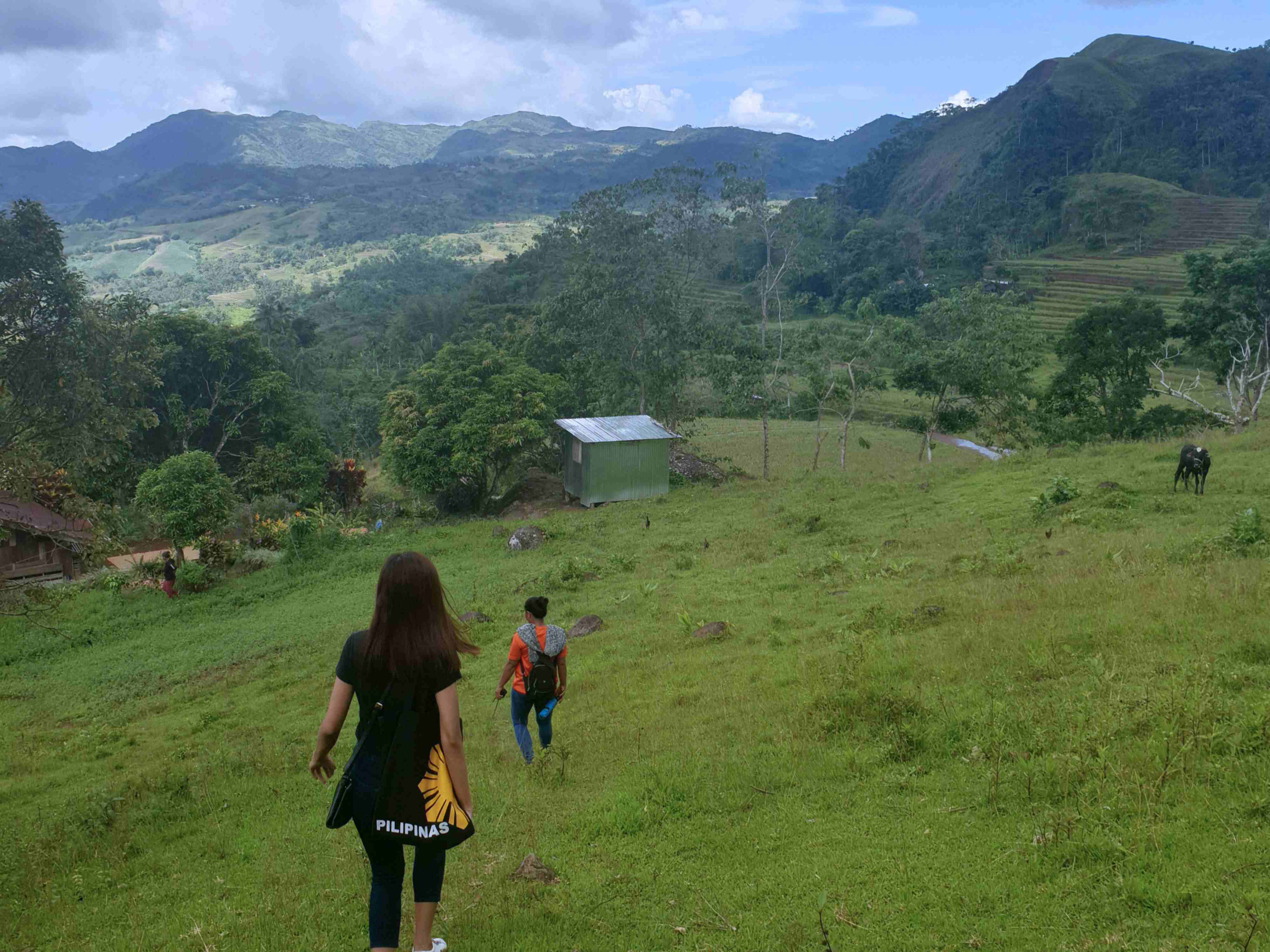
The Philippines does not make this kind of work easy. Barangays that appear close on a map may be hours away on a road that turns to mud in the rain. Some distribution sites required coordinating transport across water. Others meant locating a covered space in a community that had none, a chapel, a school, a farmer's open shed pressed into service for a day. Venues were chosen not for convenience but for proximity to the families being served. If the site was too far, some households would not come. This was not an acceptable outcome.

But the stakes of reaching these communities went beyond health. The islands across Visayas and Mindanao hold some of the most extraordinary concentrations of endemic wildlife in the Philippines, and in the world. The Negros-Panay region is recognized as one of the world's top ten priority conservation areas, home to the highest concentration of species found nowhere else in the Philippines. Negros Island has lost 96 percent of its original forest cover. The remote households burning the most wood live at the edge of what little remains. Every household that shifts away from open-fire cooking reduces the daily pressure on the forests these species depend on.

This is the logic of marginal impact. The families hardest to reach are not just the ones most harmed by traditional cooking. They are the ones whose transition to efficient cooking carries the greatest combined benefit, for their health, for their forests, and for the species that have nowhere else to go.

The hidden cost of cooking

They just knew it made them cough

In rural communities across the Philippines, chronic lung disease is widespread and traditional cooking methods are one of the primary drivers. The damage accumulates slowly and rarely announces itself until it is already serious. In the communities Nayon reached, almost none of that connection was understood. Families knew the smoke made them cough. They did not know it was making them sick.

The Longer Route

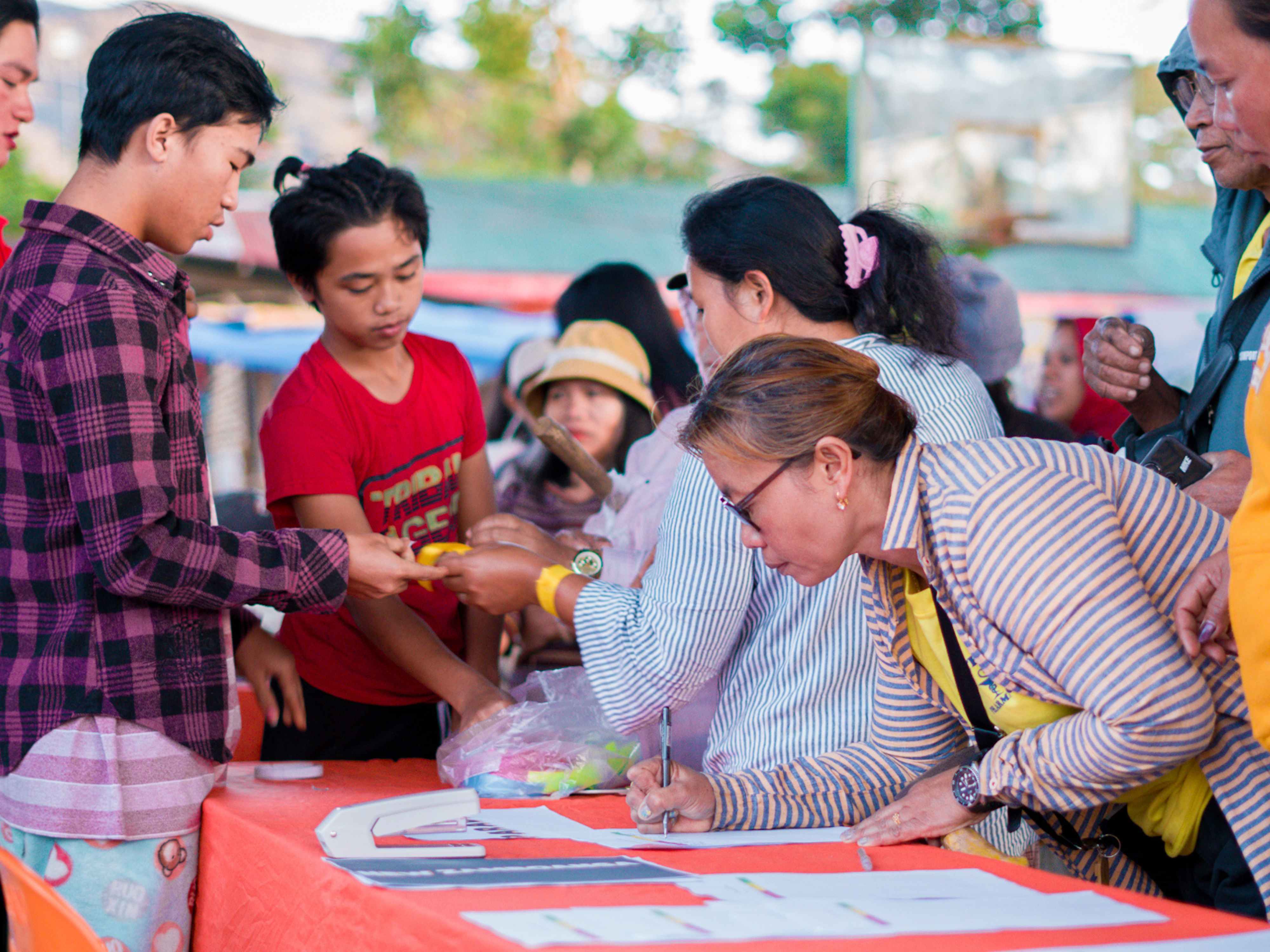
This is where the network of Nayon Advocates became the backbone of the project. Roughly one advocate for every 30 households, these were not external staff dispatched from an office. They were community members embedded in the places they served, present before distribution day and long after it. They handled the coordination that no database could manage: knowing which household had a sick grandmother who couldn't travel, which family needed a reminder in Hiligaynon, which road would be impassable after rain. They were the reason a program could actually function in a remote village.

There is a version of this project that would have been easier to run. Stick to accessible barangays. Work with communities that already have infrastructure. Hit the targets, file the reports, move on. Nayon chose the longer route, not out of stubbornness, but because the logic was clear. A program that only reaches the easy places leaves behind the people with the most to gain, and in the case of Project Buhay, it would also leave behind some of the most threatened landscapes in the Philippines. In a country this biodiverse, going to the hardest places is not idealism. It is just good math.

MORE STORIES