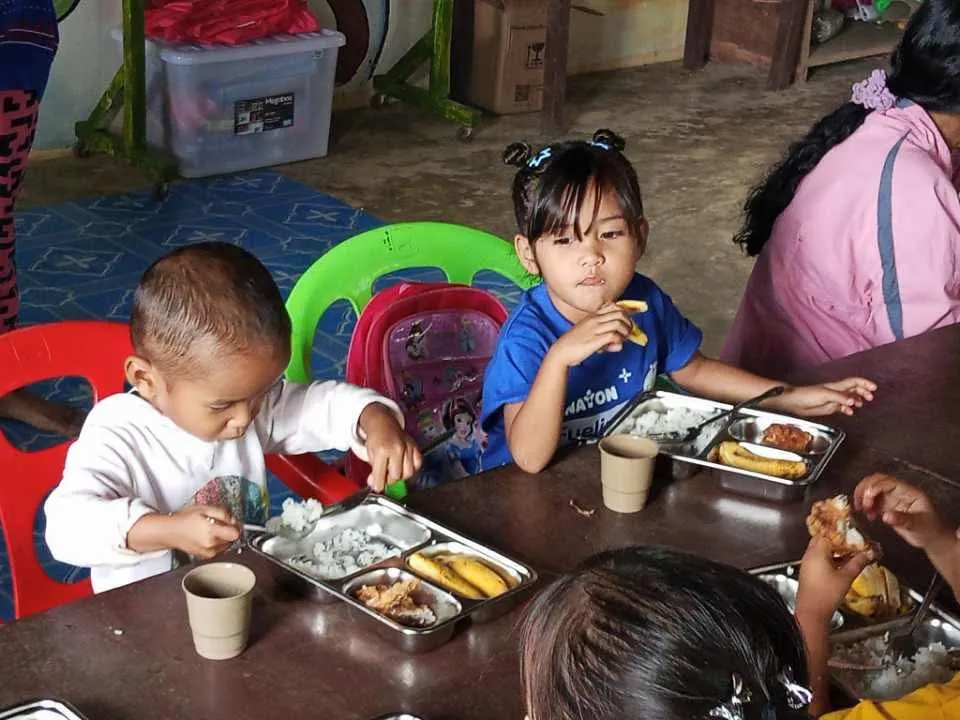
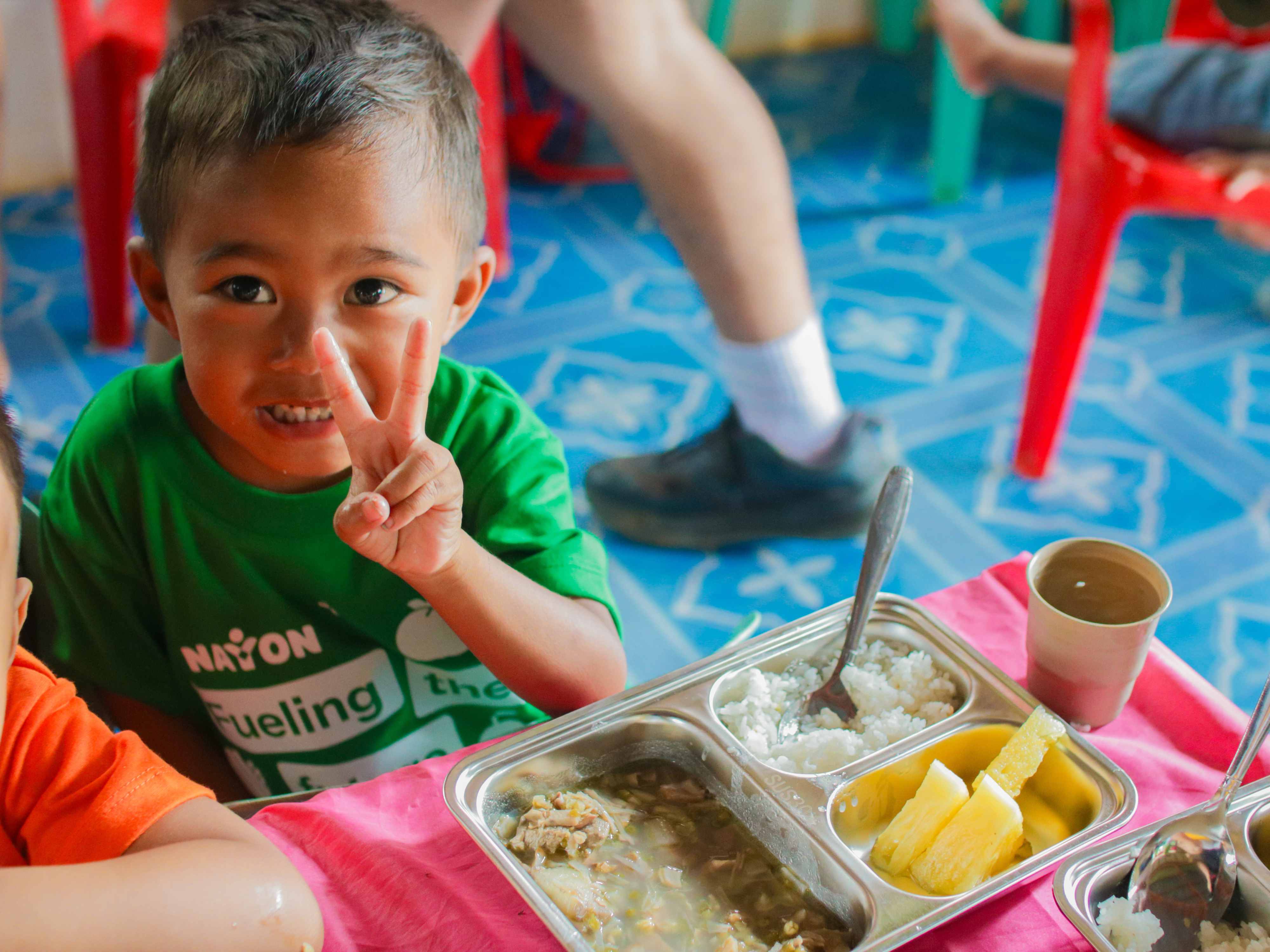
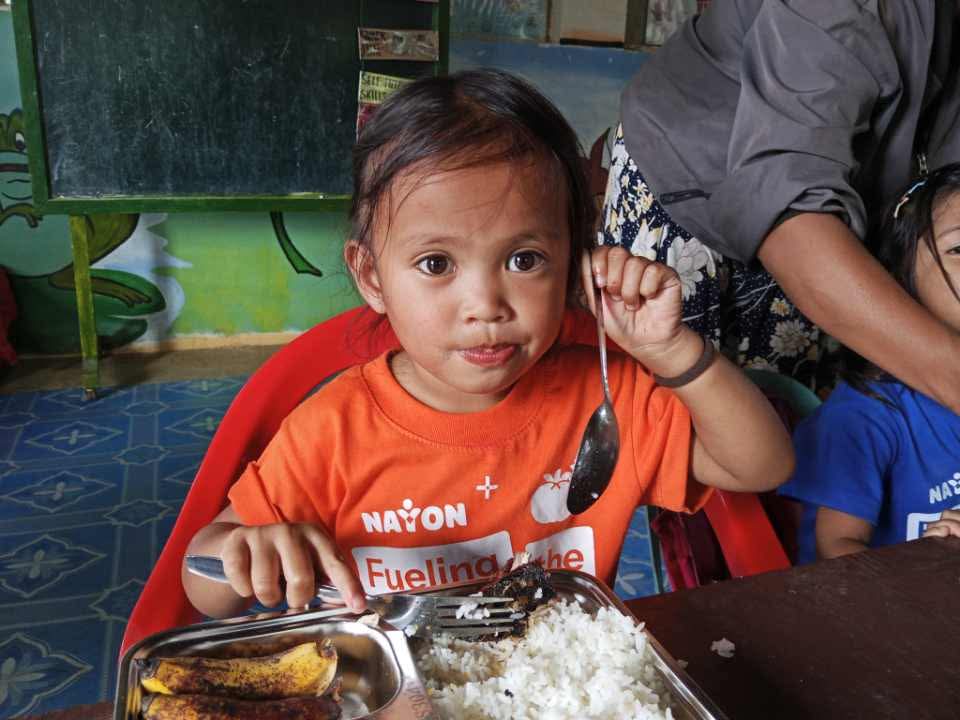
The Philippines has one of the highest rates of childhood stunting on the planet. One in three children under five are affected, and in the Visayas and Mindanao, where Nayon works, that number climbs past 40%. The effects reach well beyond height and weight. Stunting in the first years of life shapes cognitive development, immune function, and long-term potential in ways no amount of schooling or later intervention can reverse. Those effects compound across school years, into the workforce, and eventually into the families those children raise themselves. A stunted child is statistically more likely to have a stunted child. The gap does not stop at the individual.
What makes the problem stubborn is not a shortage of ingredients. The crops that address the most common nutritional deficiencies in Filipino children grow locally, cost almost nothing, and in many cases are already in the ground nearby. The gap has never been what is available. It is knowing which crops matter and why, how to prepare them in ways children will actually eat, and how to build a habit around what a growing body needs. It is the confidence that comes from having cooked a nutritious meal that tasted great, understood why it matters, and knowing you can do it well again. These are things no market can supply and no government program has reliably delivered at the community level. They have to be built, family by family, from the inside out.
.jpg)


.jpg)
.jpg)