The kitchen of Renz's childhood was unremarkable, it was the same open-fire traditional stove at its center that millions of other families used. She watched the women she admired cook over flame and was drawn in early, long before she was supposed to be. Waking up to the sting of breakfast smoke was familiar long before it was something she thought to question. So was the asthma. It was just another fact of life, managed and accepted, until the family stopped cooking with open fire years later and it quietly disappeared. Nobody made a big deal of it at the time. Renz would spend the next two decades figuring out why that bothered her.
But it was not the only thing she was paying attention to. Over the years, she could see a broader picture taking shape: health gaps, women who worked hard in conditions that gave very little back, and a community whose potential was quietly being worn down by the accumulation of small, unaddressed problems.
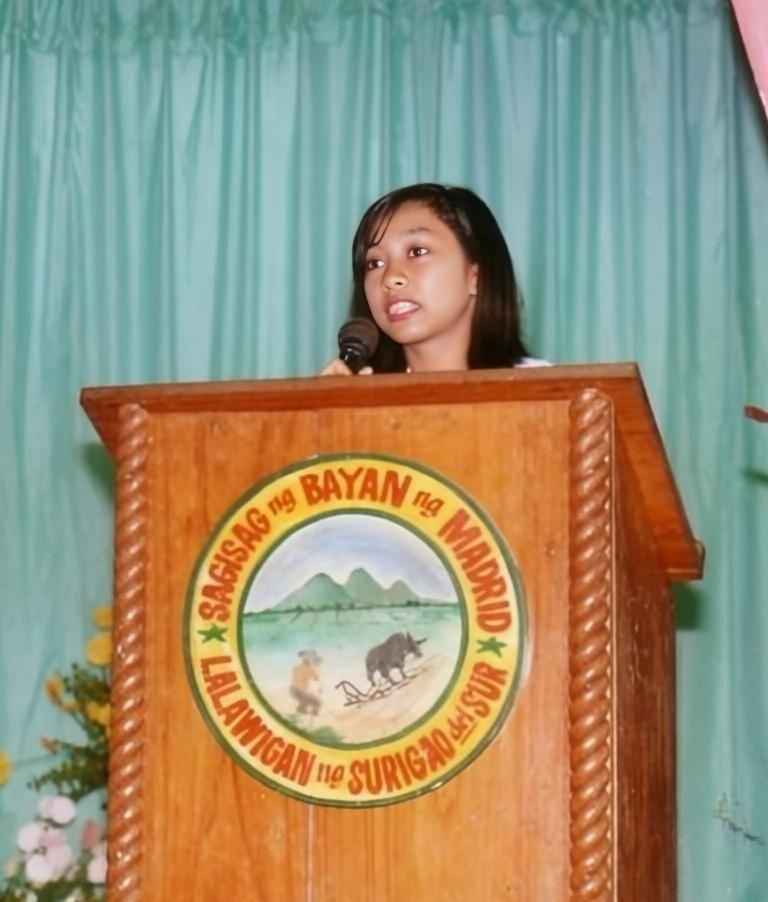
What she did with that awareness said a lot about who she was becoming. She was frustrated. The problems around her were real and visible, and yet life seemed to carry on as though they were simply the way things were. At 15, convinced that change had to start somewhere official, she ran for Chairman of the Sangguniang Kabataan, the local youth council, and won. What she found inside was more complicated than she expected. The problems were even deeper than she had seen from the outside, and the machinery of change moved slowly. She was listening. She was also, for the first time, learning the difference between wanting things to change and knowing how to change them.


.jpg)