Stories of impact

Kwento sa Nayon

The people, places, and things that inspire us to keep moving forward — real stories from the communities we serve across the Philippines.

Stories of impact

New Eden: Highlights from the second Climate Leadership Program pilot

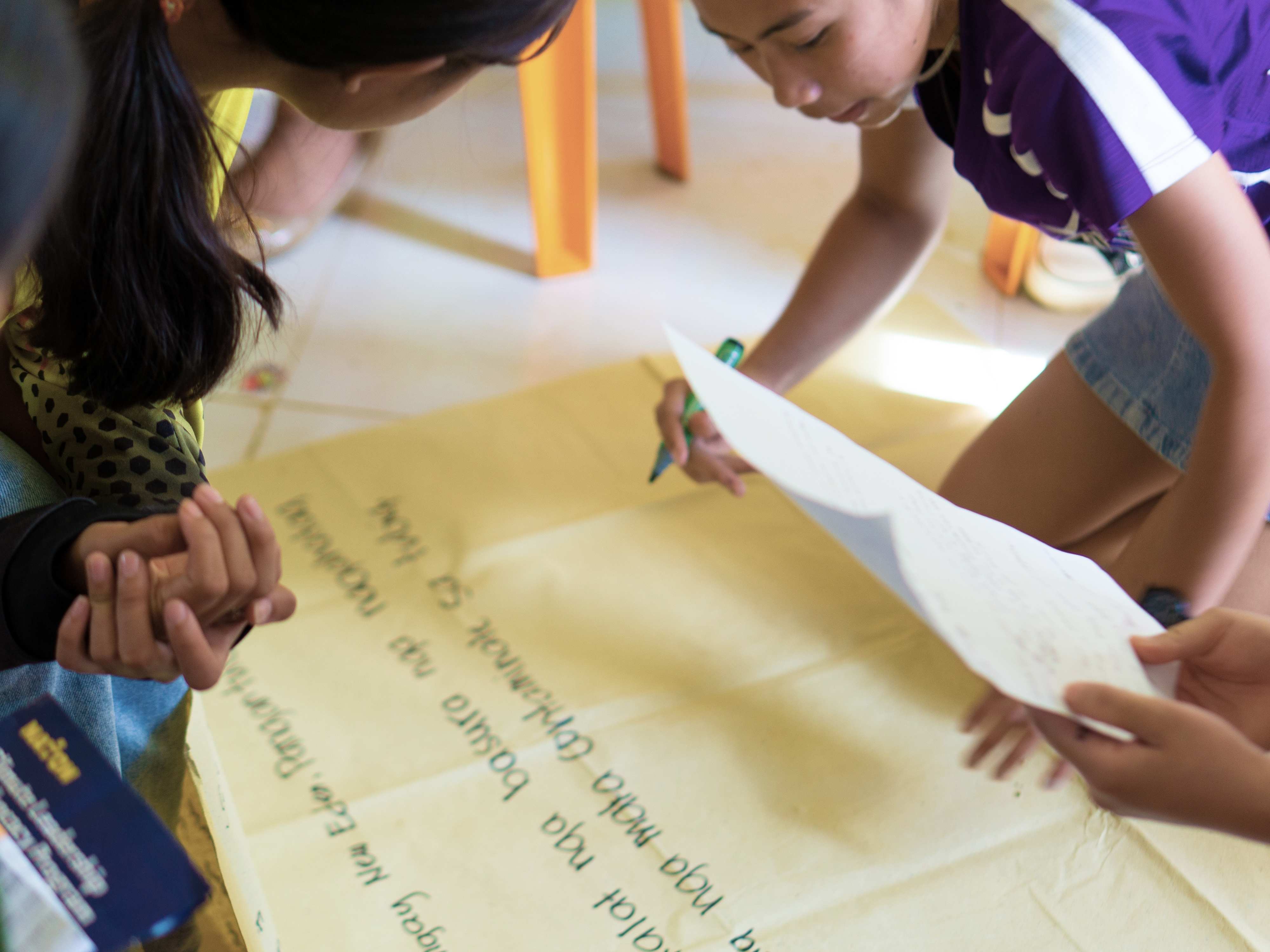
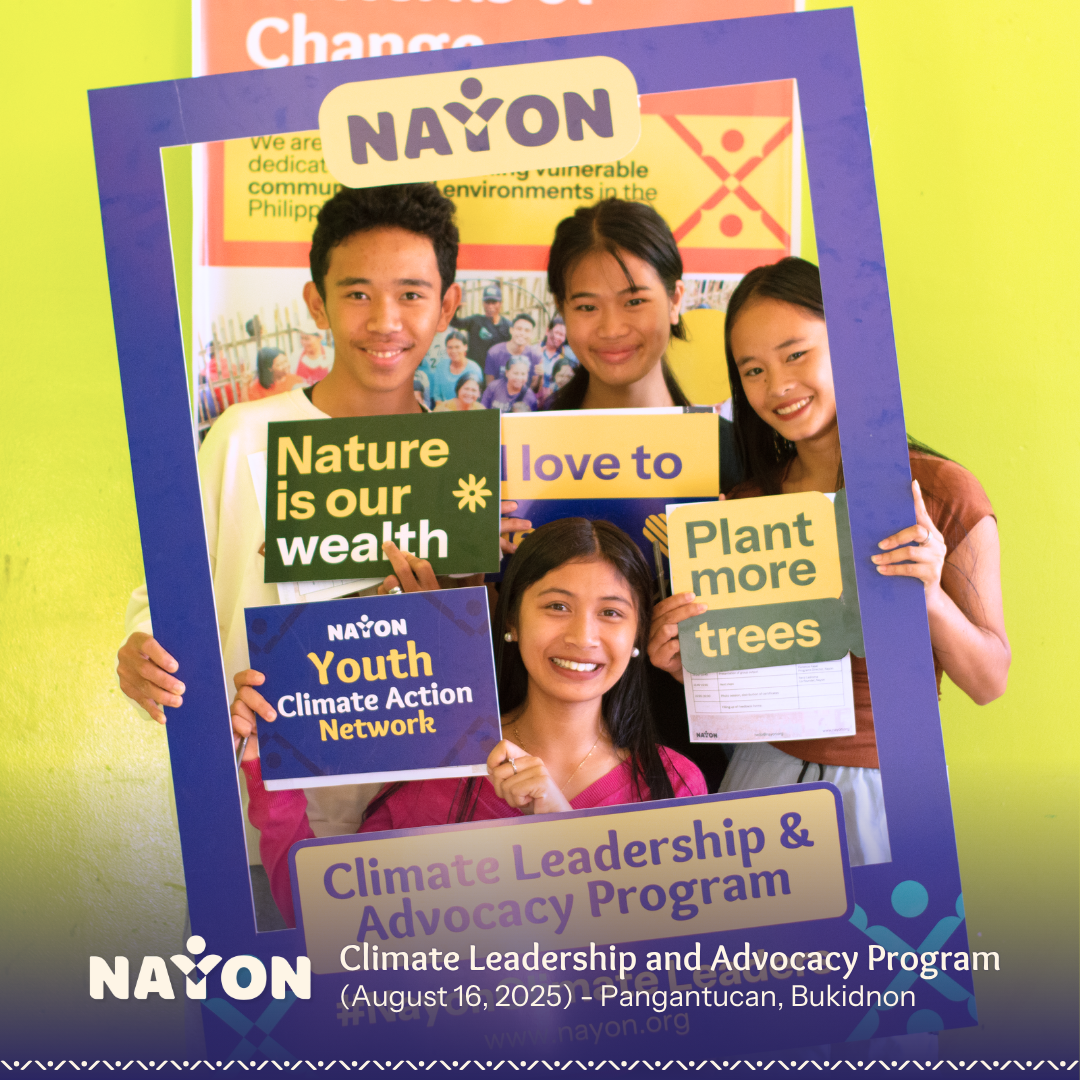
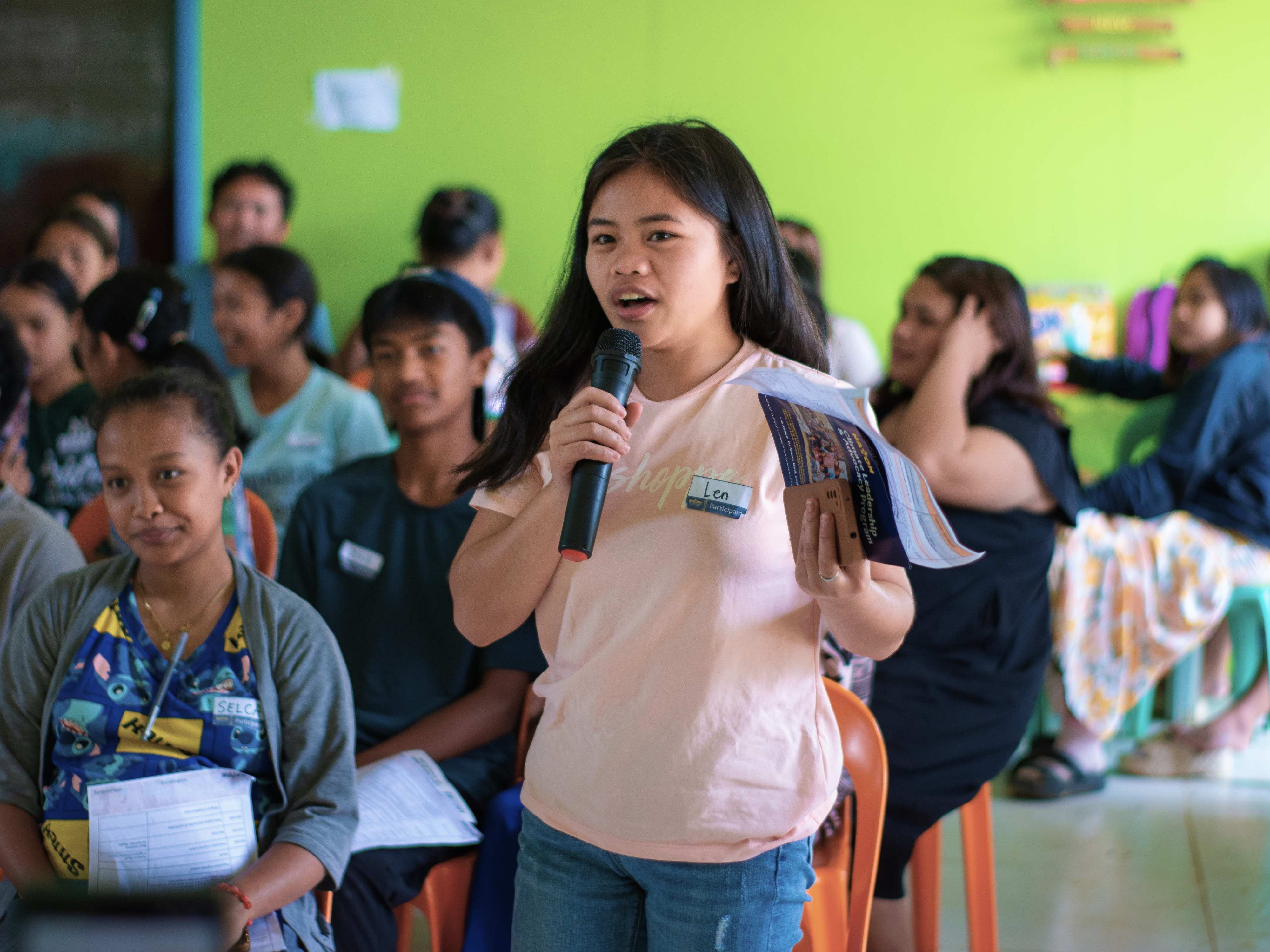
Participants at Nayon's Climate Leadership Program pilot in New Eden, Bukidnon, August 16, 2025.

New Eden: Highlights from the second Climate Leadership Program pilot

Before a model is proven, before a methodology is refined, the only way to know if something works is to run it again, somewhere different, and see what holds.

From Bago City to Bukidnon

Nayon's environmental work has always rested on a simple conviction: lasting change doesn't come from the outside in. It grows from within communities, from people who know their land, understand its pressures, and have a stake in its future. The Climate Leadership Program (CLP) is how that conviction becomes practice.

Funded through Nayon's carbon projects, the CLP translates environmental finance into something that outlasts any single intervention: human capacity. The program is built around a core insight from years of on-the-ground work: communities don't lack awareness of climate change. They experience it daily. What they often lack is a structured space to name those experiences, connect them to broader frameworks, and turn local knowledge into organized action.

The pilot in New Eden was designed to test whether a single, well-facilitated day could begin that process, moving participants from climate storytelling to climate planning, and from passive awareness to a genuine sense of personal agency.
The communities most affected by climate change are the same ones where sustained local stewardship makes the difference between impact that lasts and impact that fades.

What New Eden Confirmed

The barangay made the stakes immediate. Once known as one of the coolest communities in the area, New Eden has warmed noticeably in recent years. Farmers can no longer rely on the seasonal patterns their families built livelihoods around. Dengue outbreaks that once came every five years now arrive twice annually. These are not abstractions. They are the daily realities the participants brought into the room.

The day moved through foundational sessions on climate science, the UN Sustainable Development Goals, local governance, and community project planning, before anchoring in the workshop Taga-Diri Kami, Kita Gid ang Solusyon: "We are from here, we are the solution." Working from their own knowledge of New Eden, participants drafted community climate action plans. Four proposals emerged by the end of the session: a residual waste holding facility, a support program for disaster-affected residents, diversification from reliance on farming toward natural products, and a solid waste management training program so the knowledge could spread beyond the room.

What the proposals demonstrated, again, was that youth given the right structure and space produce grounded, locally relevant solutions without being told what those solutions should be.

What We're Still Learning

The Program Needs to Shift

Both pilots pointed to the same honest finding: the young people joining the CLP are more sophisticated than the current program assumes. The education component needs to step back. The doing component needs to step forward.

What This Means for How We Build It

The clearest direction from New Eden is that the program's weight needs to shift: less time on foundational climate education, more time on project creation, practical experience, and the kind of confidence that only comes from doing something in front of people who take you seriously. Participants also need more context around local government structures and community organizing, the practical mechanics of how change actually moves through a barangay, a municipality, a city.

Collaborating more closely with LGUs isn't just an operational choice, it's a practical one. Local government units control the budgets, the land, the community structures, and the enforcement mechanisms that determine whether an idea stays an idea or becomes something real. When young people understand how those systems work, and build relationships with the people inside them, their proposals stop being workshop outputs and start being the kinds of plans that can actually move. The CLP sitting closer to local governance makes the program more useful, and it makes the people inside it more effective long after the program ends.

It also makes the program more sustainable to run. LGUs can contribute venues, coordination, transportation support, and community mobilization in ways that reduce the cost and complexity of delivery. The more embedded the program becomes within existing local structures, the less it depends on Nayon carrying everything, and the more it belongs to the communities running it.

MORE STORIES