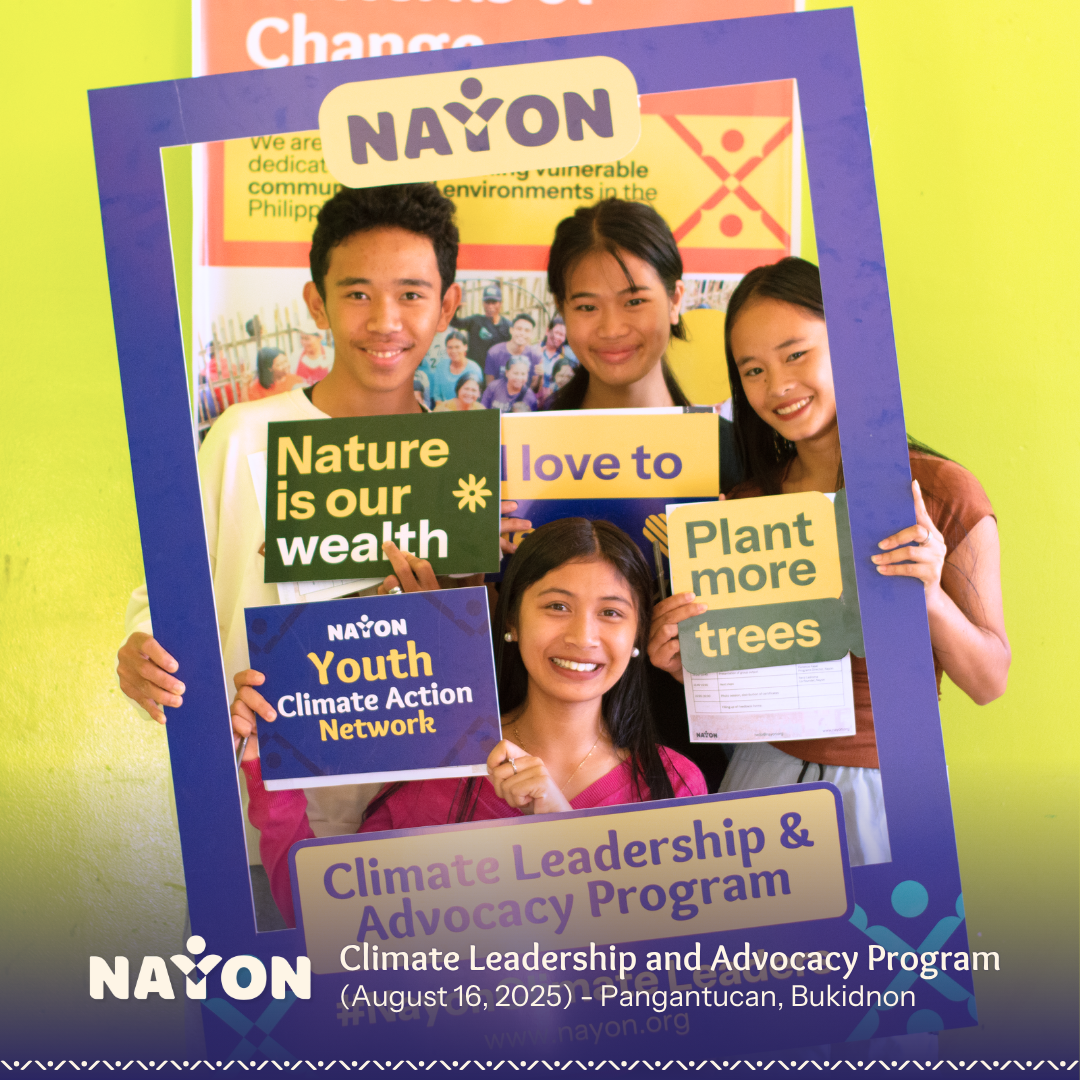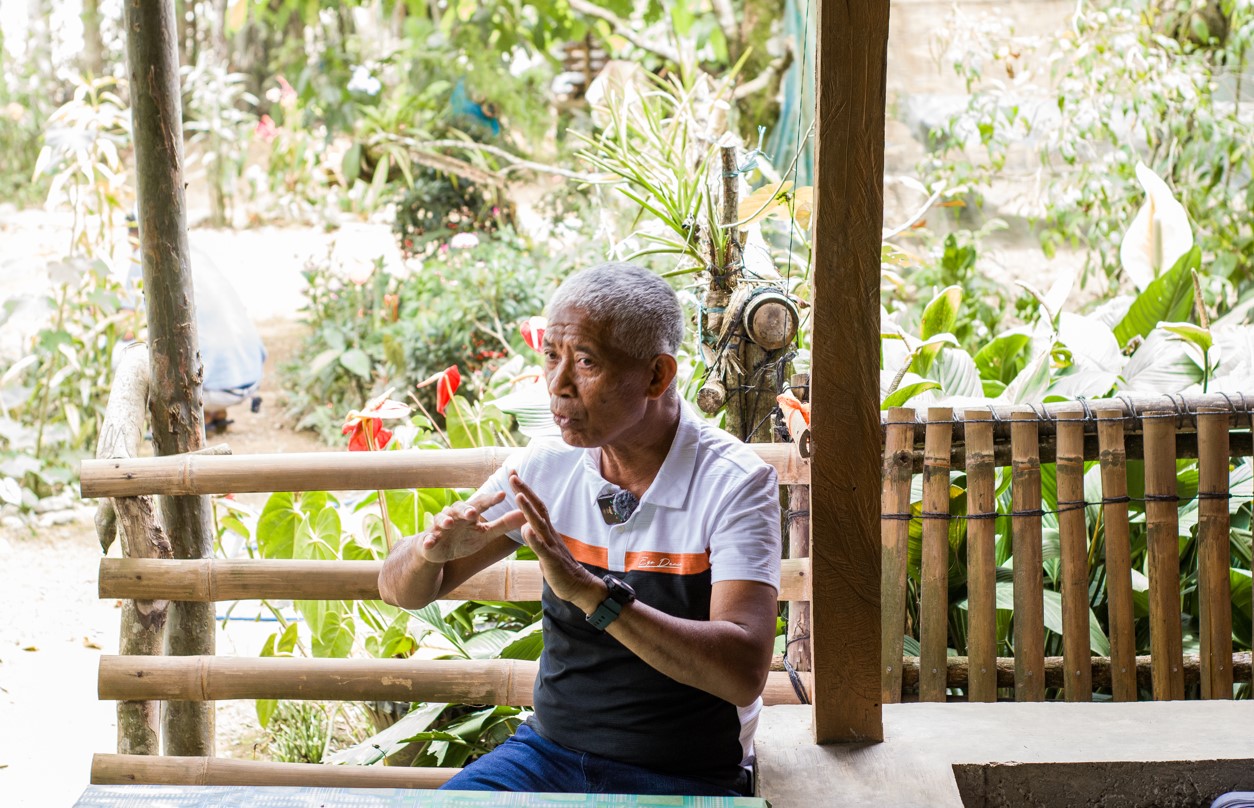
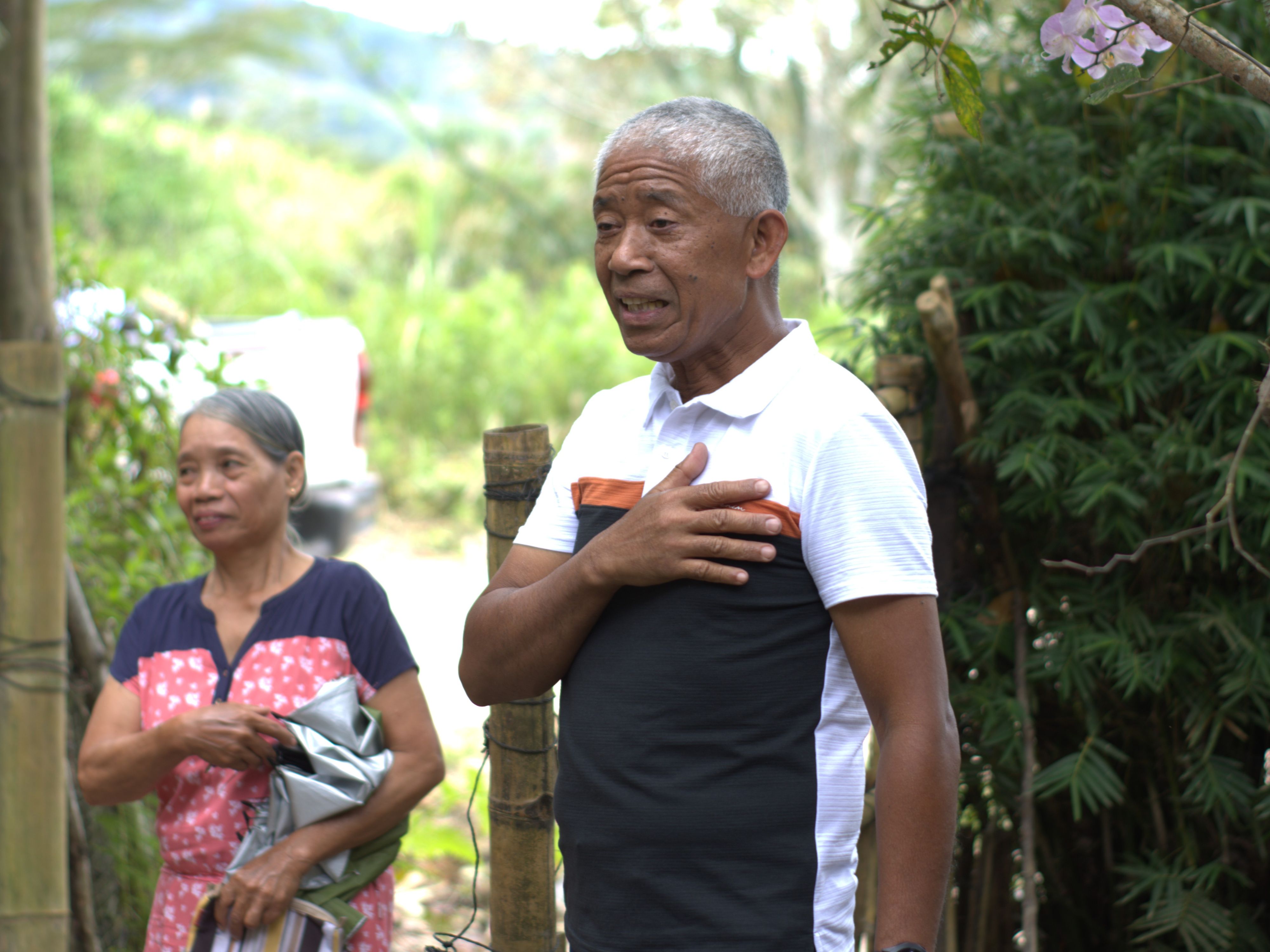
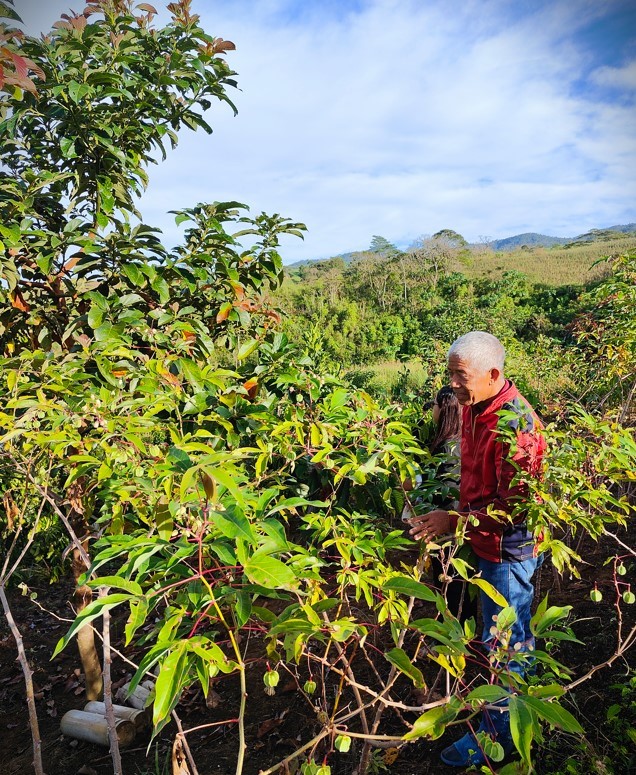
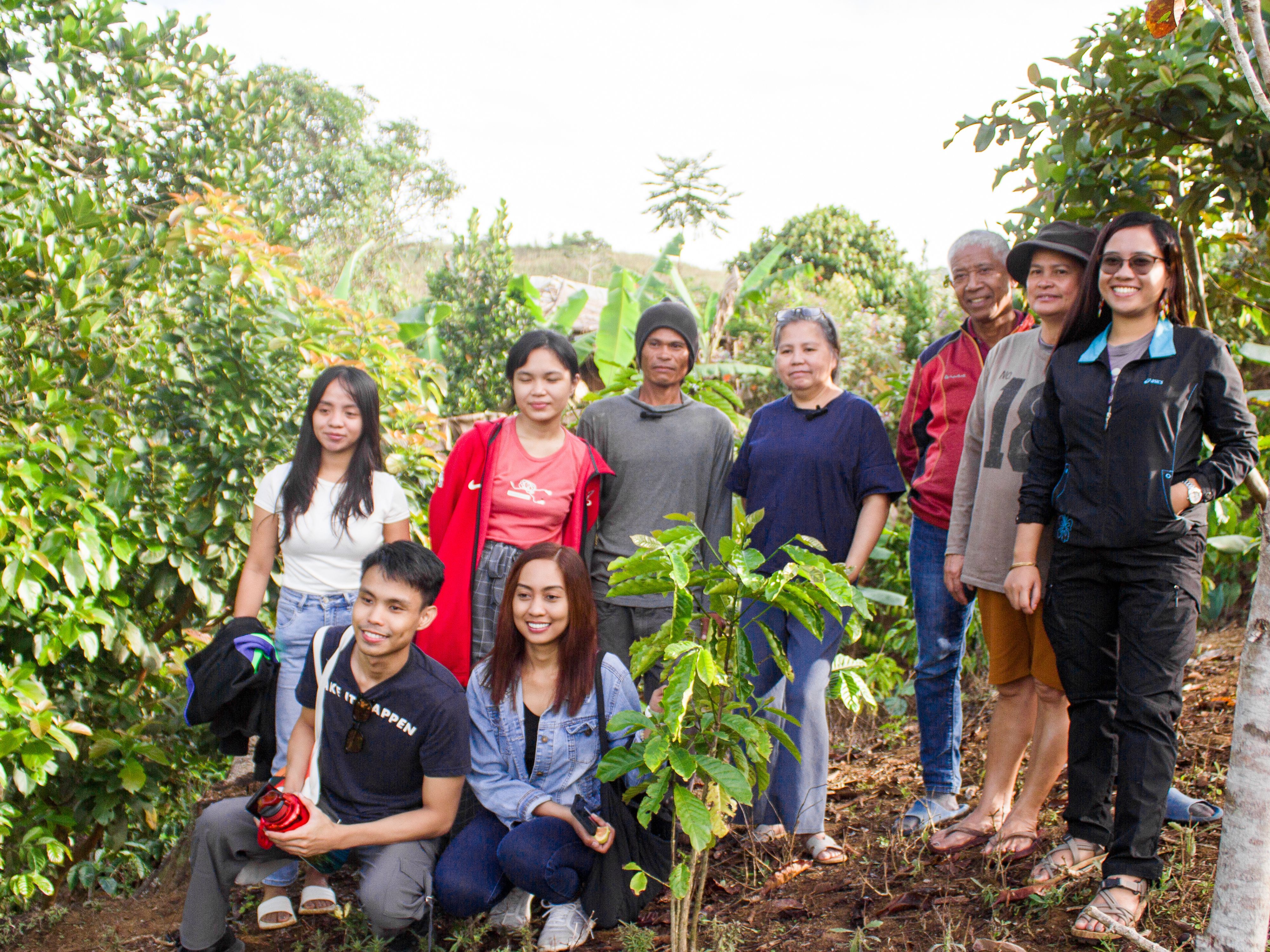
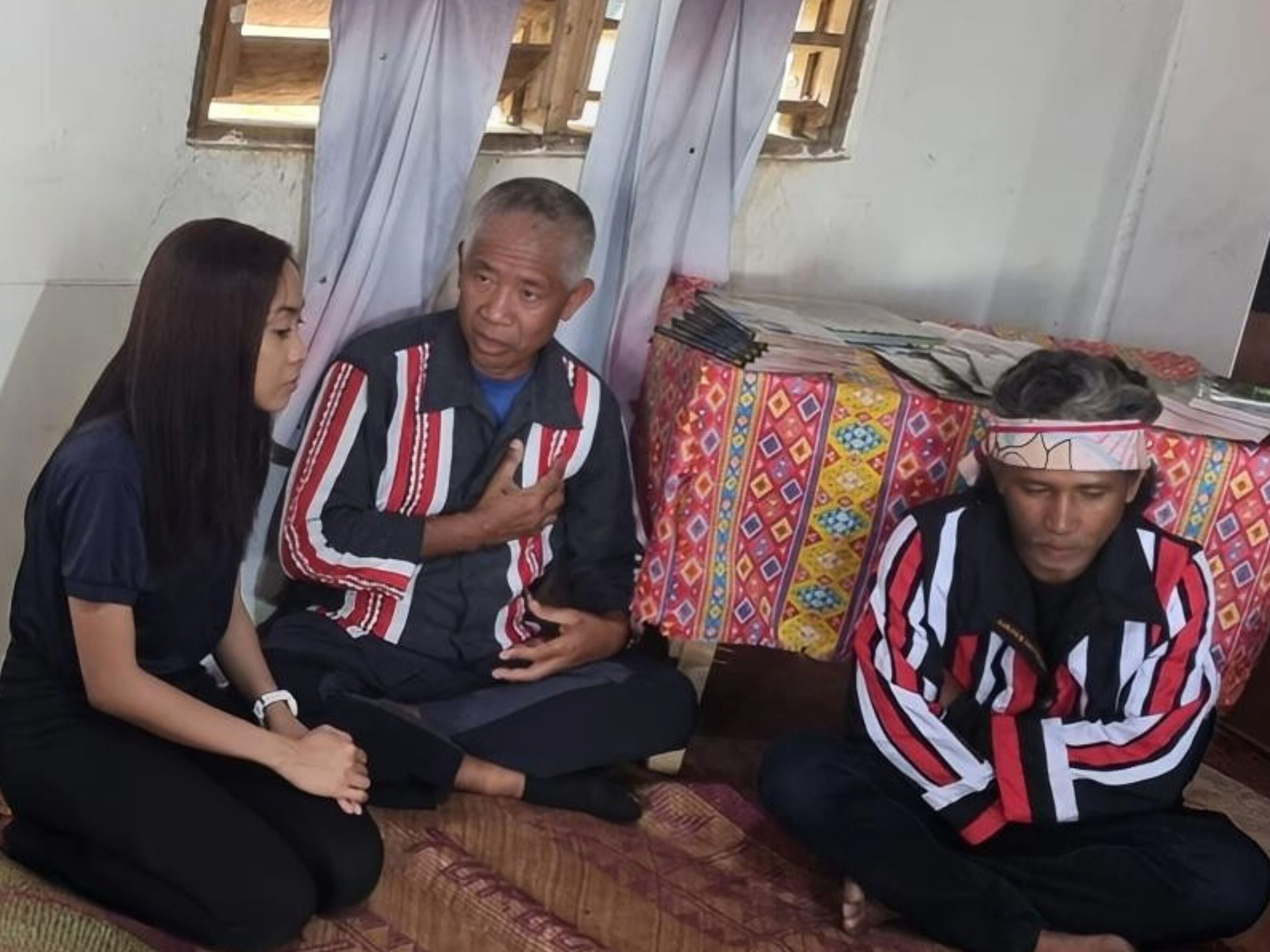
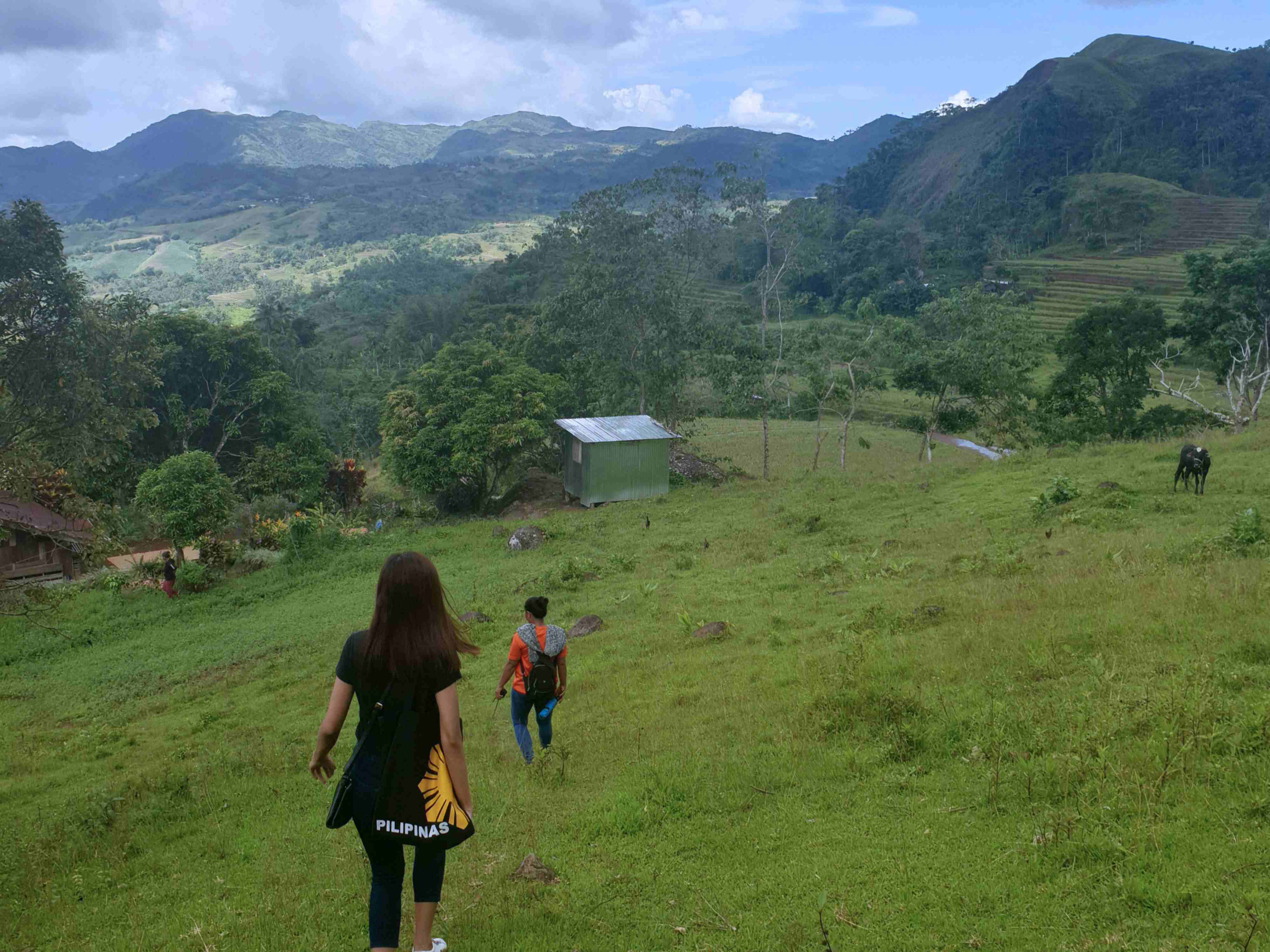
The Manobo have lived in these highlands for generations, their lives woven into the forests, rivers, and mountain ranges that encircle Bacusanon. For Datu Guinto, the land is not a resource to be measured. It is a relationship to be honored. "Nature is our true wealth," he told the team, his tone carrying neither performance nor plea. "The forests, rivers, and mountains sustain us. They've been cared for by our ancestors for generations, and it is our duty to protect them."
He spoke plainly about what his community was up against: deforestation gnawing at not only the environment but at the traditions and stories embedded within it. The Manobo word for nature, kinaiyahan, holds a sense of something living and reciprocal, not passive. Datu Guinto understood deforestation as a kind of severance from that relationship. And yet there was nothing defeated in how he spoke. He described how the community had been planting trees and adapting their farming to work with the land rather than against it. These were not new ideas born from crisis. They were old practices being reclaimed.

.jpg)