Stories of impact

Kwento sa Nayon

The people, places, and things that inspire us to keep moving forward — real stories from the communities we serve across the Philippines.

Stories of impact

Show Your Work: Audit verification

Show Your Work: Audit verification

It is easy to say a program is working. It is harder to prove it: to an independent reviewer, to the communities the program serves, and to anyone who has invested in the belief that real, measurable change is happening on the ground.

What an Audit Involves

Project Buhay is verified under the Verra Standard, one of the most widely recognized frameworks for measuring and certifying environmental and social impact globally. Each year, auditors certified under this standard and specializing in efficient stove projects are appointed to conduct a thorough, independent review of the project.

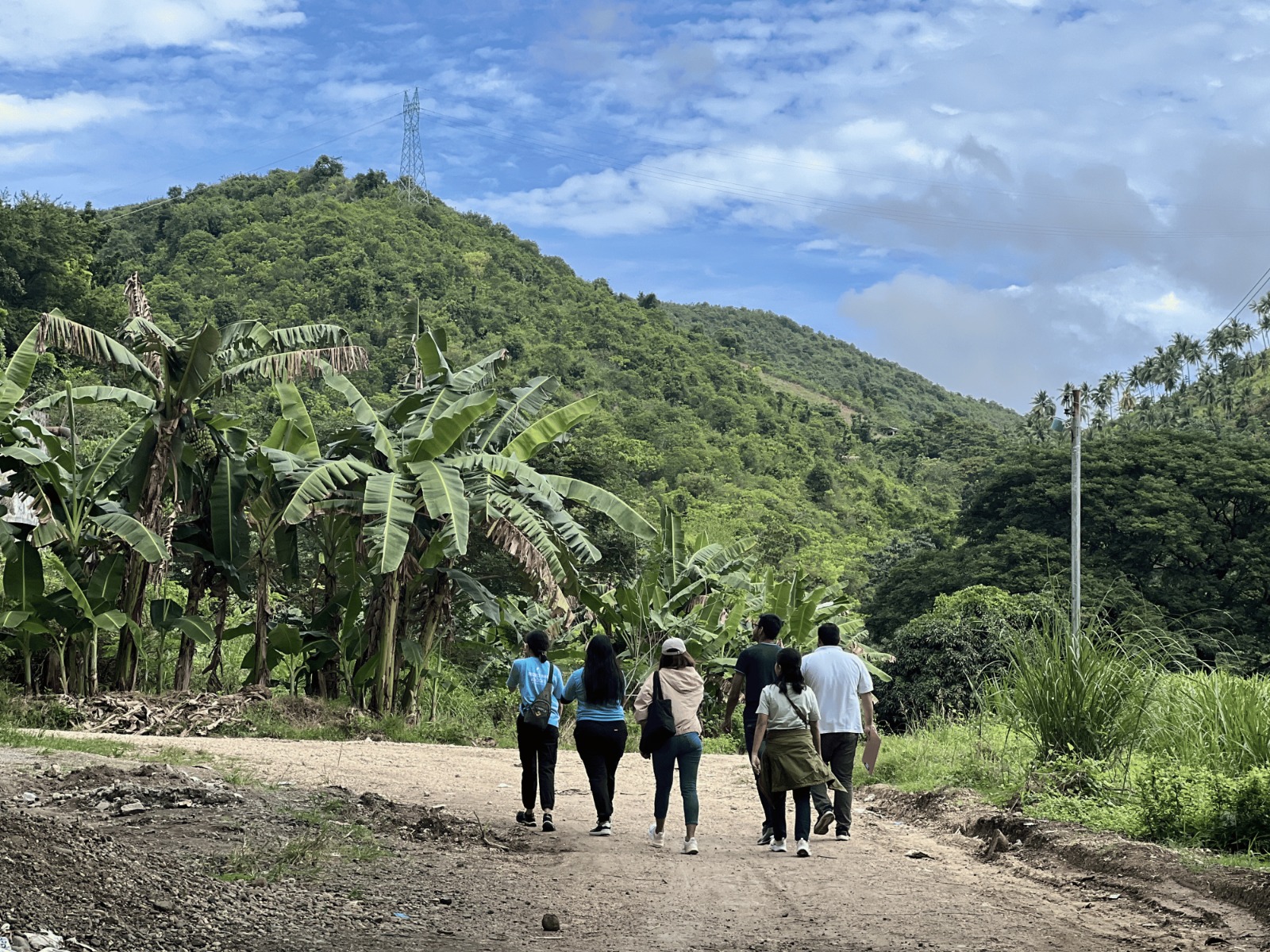
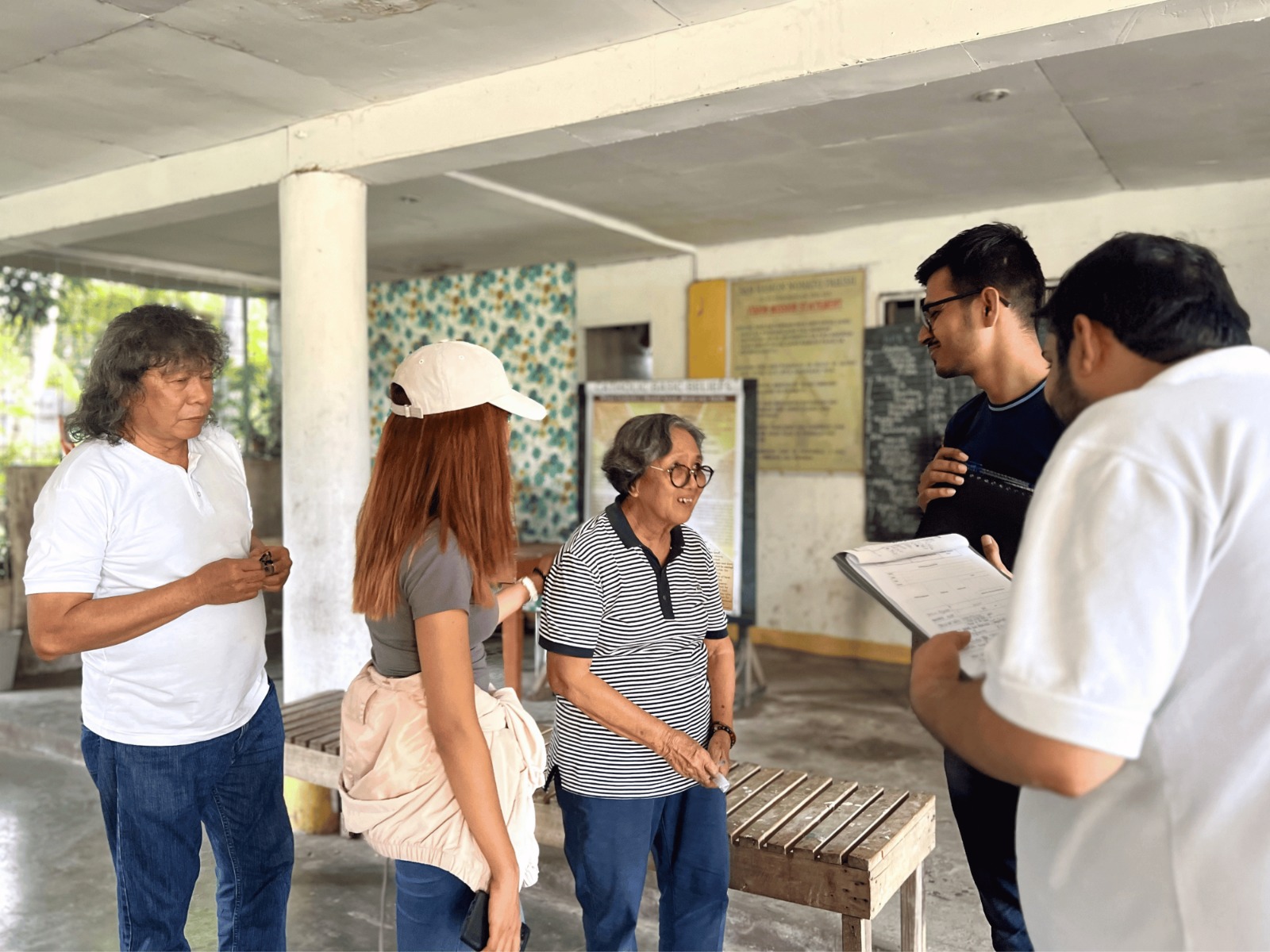
The audit is not a desk exercise. It begins with a comprehensive review of project documents and monitoring data, but it doesn't stay there. Auditors travel to our project areas, spending several days on the ground conducting in-person interviews with monitors, community leaders, project participants, and partners. They cross-check what the data says against what the people living inside the project actually experience. They verify that the project has been implemented as reported, that the methodology is being followed correctly, and that the outcomes being claimed are real and accurately measured.

The result is a detailed audit report submitted to the standard for a final review. Depending on their findings, Verra may issue carbon credits, request further clarifications, or adjust outcomes based on their assessment. Nothing is self-reported and left unexamined.
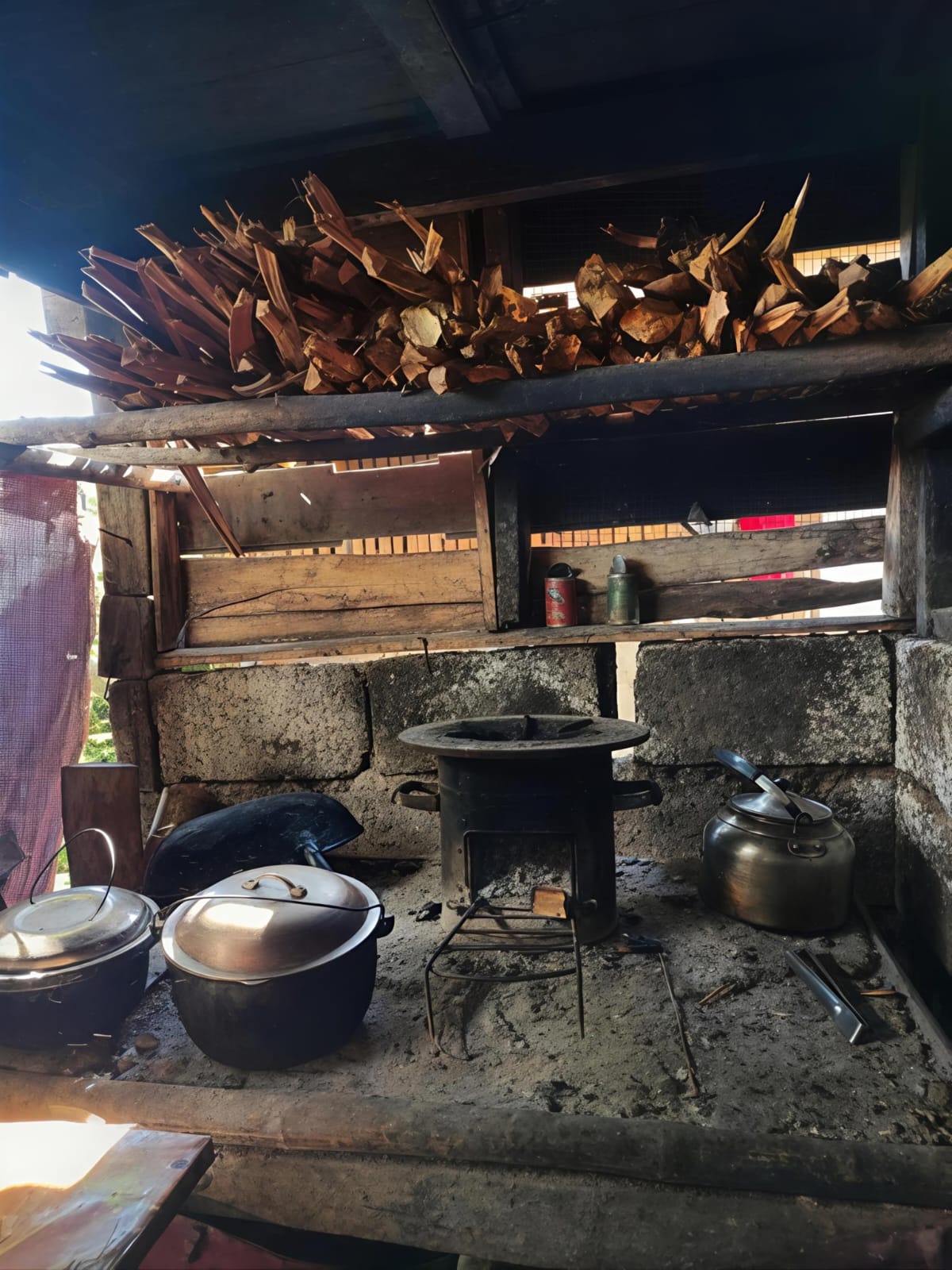
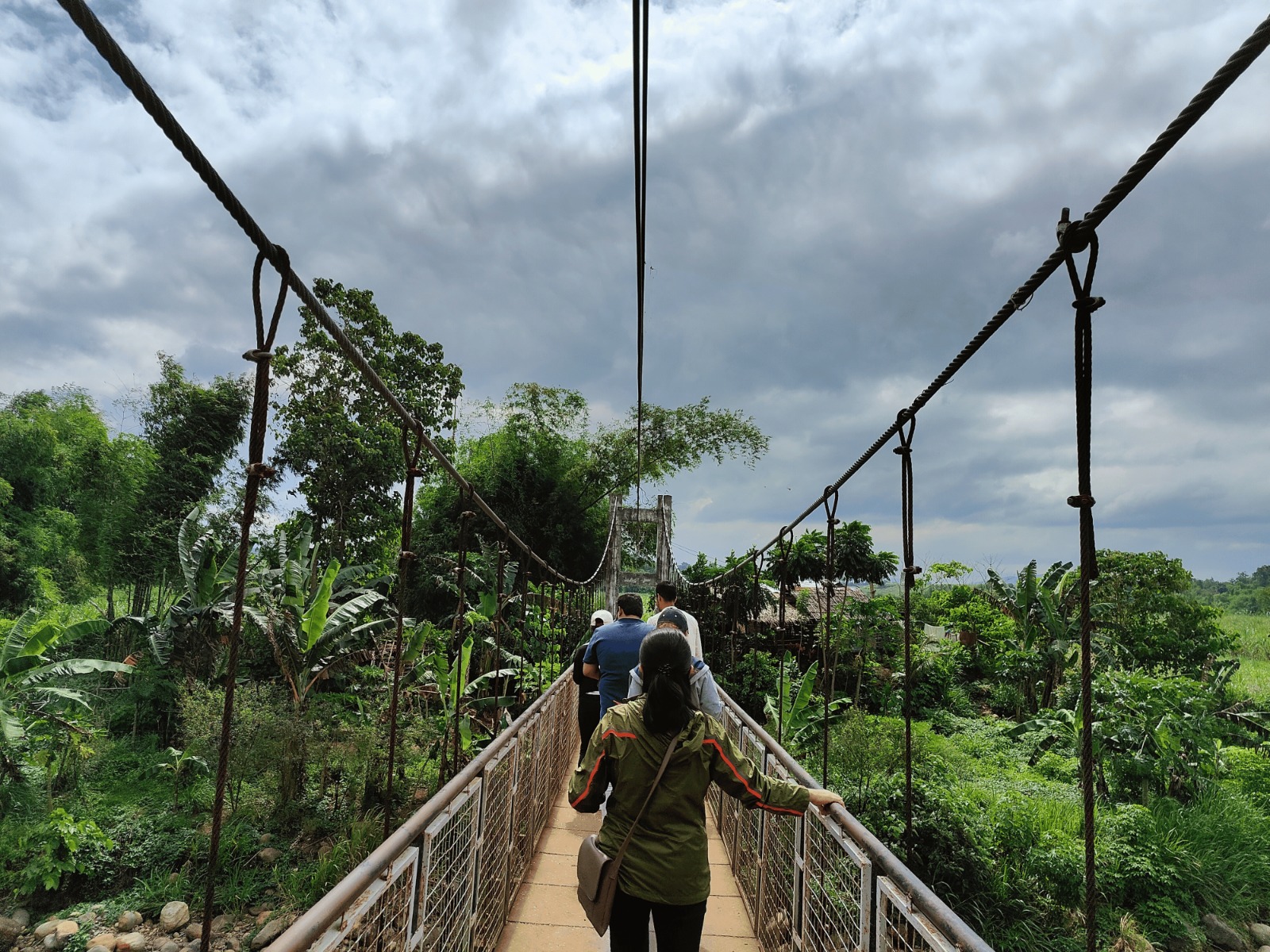
The value of an independent audit is entirely dependent on its independence.

Built-In Impartiality

One of the deliberate design features of Project Buhay's audit process is auditor rotation. To ensure impartiality is maintained throughout the project's lifespan, auditors are changed over time. There is no single firm or reviewer that develops a long-standing relationship with the project that could, even unintentionally, soften the scrutiny applied.

The moment verification becomes a relationship rather than a review, its credibility erodes. Nayon's approach is to protect that credibility structurally, not just procedurally.

What the Audit Confirms

Four Purposes, One Standard

Every audit cycle tests compliance with the approved methodology, accuracy of monitoring data, effectiveness of environmental and social outcomes, and the overall credibility of reported results. These are the qualities that separate programs that aim to do good from programs that can demonstrate it.

We aren't perfect

Nayon is clear-eyed about what audits are for. We are human and we make human mistakes, so perfection isn't what we aim for during an audit. What we aim for is accuracy. Audits surface gaps in methodology, inconsistencies in data, and areas where implementation and management can be strengthened. That feedback loop is exactly what makes the process valuable. Each audit cycle informs how the project is measured, managed, and improved in the year that follows.

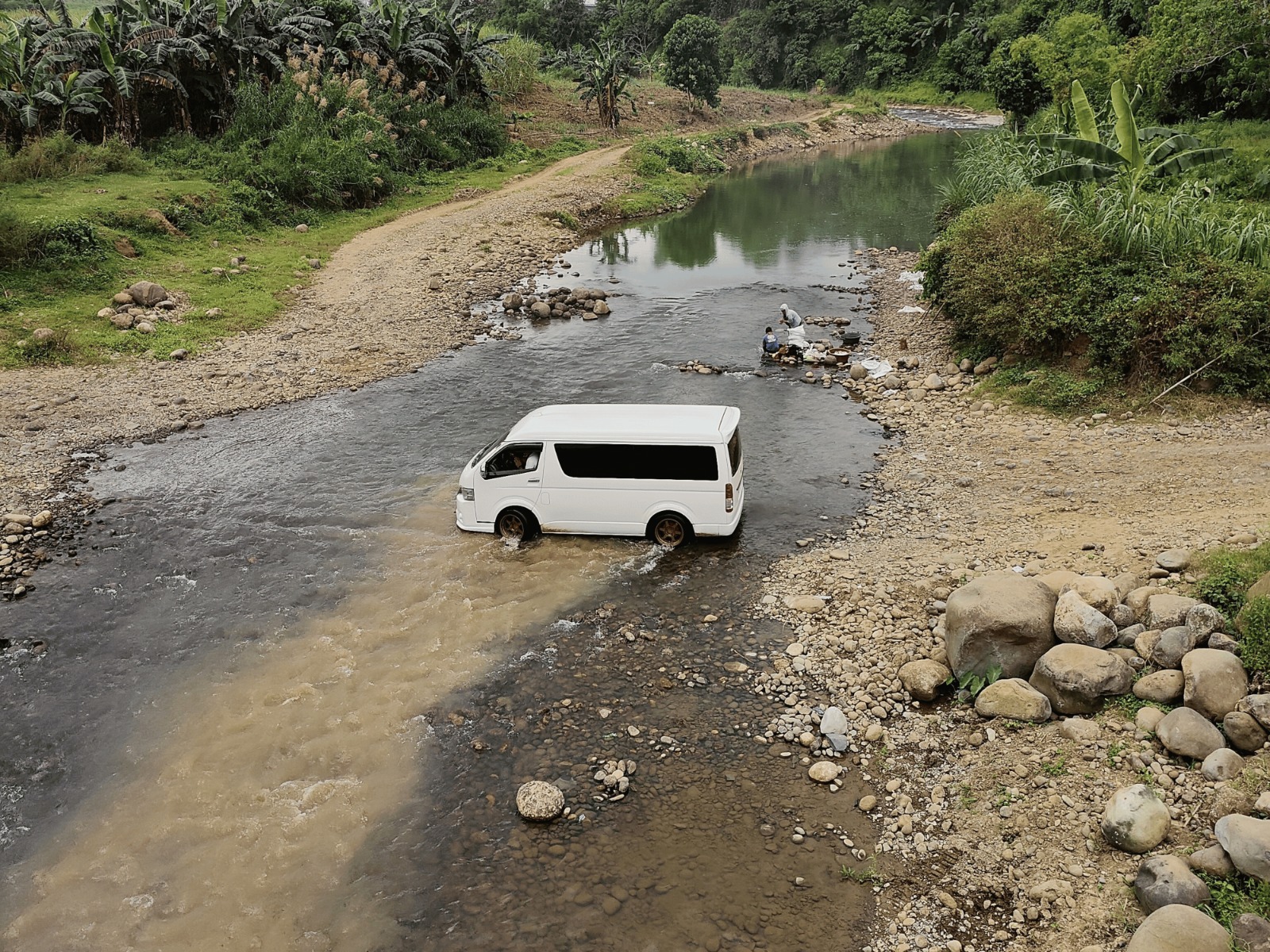
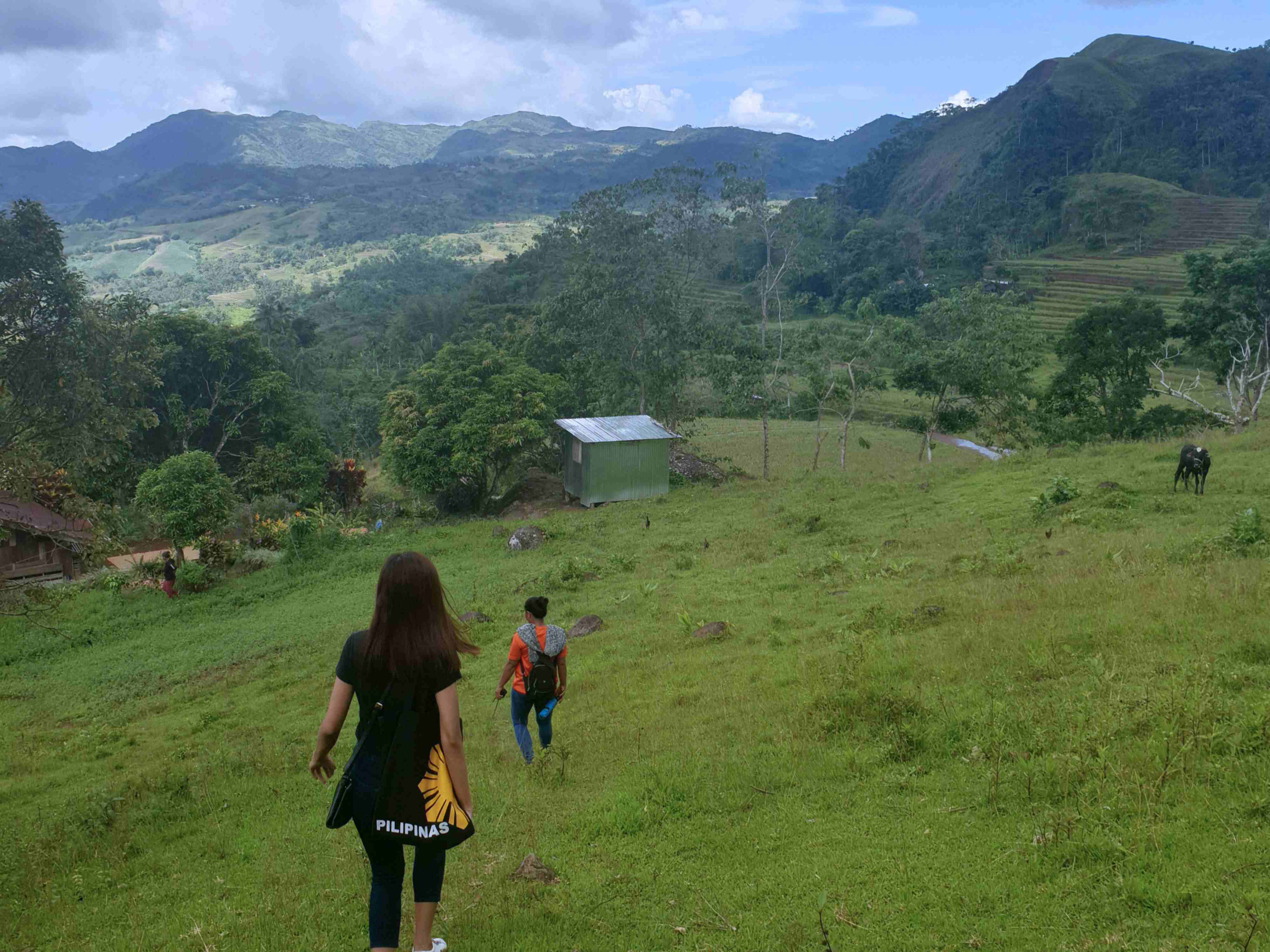
What makes maintaining that standard genuinely difficult is the scale and geography of where we work. Project Buhay has reached over 115,000 households across the Visayas and Mindanao. That reach is a point of pride: it means we are present in some of the most underserved and climate-vulnerable communities in the country, places that larger or better-resourced programs often don't reach. But it also means we are spread across an enormous and often inaccessible area, with low household density, roads that become impassable in wet season, and entire communities where there is no mobile signal at all.

We cannot simply send a message or make a phone call to verify that a stove is still in use or that a household's data is accurate. We have to go there. In person. Repeatedly. That means maintaining a large network of monitors and partners across multiple regions, coordinating frequent field visits to remote areas, and building the kind of trust with local leaders and barangay officials that makes sustained access possible over years, not just months. The operational costs and logistical complexity of doing this consistently, at the standard required for Verra compliance, are significant. It is not the kind of work that scales cheaply or easily.

Behind every one of the 115,000 households in this project is a trail of data, documentation, and independent verification designed to ensure that the impact being reported is the impact actually being delivered. That is what accountability looks like in practice: not a promise, but a process. And in terrain like ours, it is a process that has to be rebuilt, on foot, every single year.

MORE STORIES