Stories of impact

Kwento sa Nayon

The people, places, and things that inspire us to keep moving forward — real stories from the communities we serve across the Philippines.

Stories of impact

Trust, education, and persistence

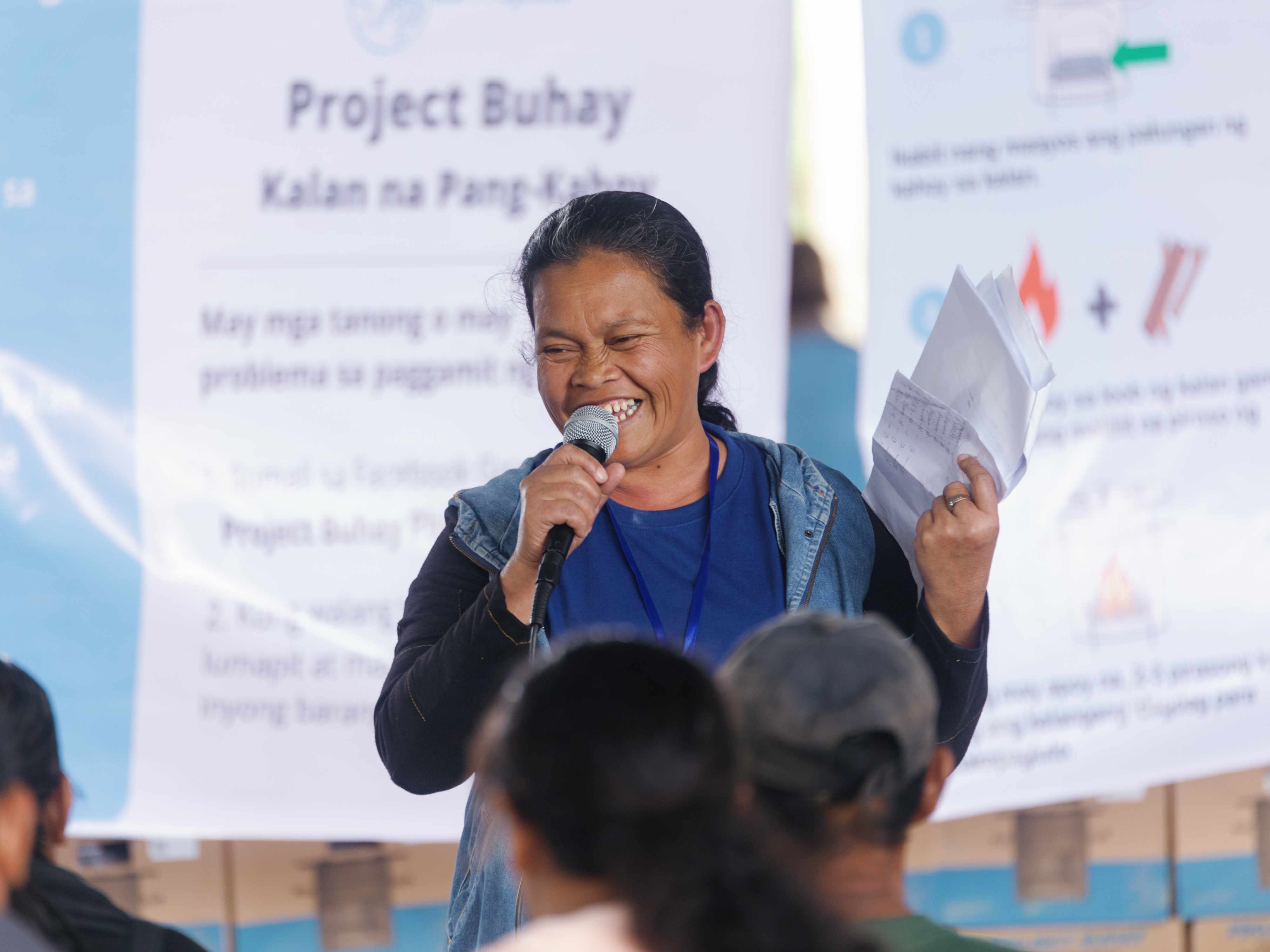
Community leader introducing Project Buhay goals

Trust, education, and persistence

A stove is an inanimate object. Changing the way a family uses it, to shift a habit as deeply embedded as how a meal is prepared, how a fire is lit, how a kitchen is organized, is something else entirely. It takes education. It takes trust. And it takes the kind of ongoing presence that most distribution programs don't budget for, because it doesn't show up neatly in a delivery count.

Education Begins With the Community's Own Voice

Before a Buhay Stove reaches a household, the family attends a training session covering climate change, the health risks of traditional cooking methods, and the safe and efficient use of the stove. But how those topics are delivered matters just as much as what is said.

Community leaders are woven into the education process deliberately. Their presence is not ceremonial. When a trusted local figure stands alongside Nayon's team and affirms the value of what is being taught, it changes how the room receives the information. It signals that this is not an outside organization arriving with outside answers. It is a program that the community itself has chosen to be part of, and that the people participants already respect have chosen to endorse.

This distinction is what separates education that is heard from education that is absorbed. Families are far more likely to carry new practices home when the message comes from someone they already trust, in a language and a context that feels familiar.

Reaching a household and changing a household are two very different things. Project Buhay is built around the difference.

Small Groups, Real Conversations

Training sessions are structured in smaller groups, staggered throughout the day. This is not a logistical convenience. It is an educational choice. In a large assembly, questions go unasked, concerns go unvoiced, and the session ends with the facilitator not quite knowing what landed and what didn't. In a smaller group, there is room for the kind of back-and-forth conversation that surfaces real doubts, practical questions, and the specific hesitations that might otherwise lead a stove to sit unused after the first week.

By the time a family completes their training and receives their stove, they have not simply been informed. They have been engaged, which is a meaningfully different thing.

After Distribution

Follow-Up Makes the Difference

Each household is visited seven to ten days after receiving their stove: not to check a box, but to check in. Regular visits continue beyond that, with Nayon's Advocates maintaining close communication over time. This ongoing relationship is not a feature added on top of the project. It is the mechanism through which the project actually functions.

Why This Investment Matters

Behavioral change is slow, non-linear, and difficult to sustain without support. A family that cooks over an open fire today is not simply making a choice. They are following a practice shaped by familiarity, economy, culture, and convenience. Shifting that practice requires more than a better stove. It requires education delivered by trusted voices, space for genuine questions, and follow-through that extends well past distribution day.

This is what Nayon's approach to Project Buhay is built around, and it is what makes the difference between a program that reaches households and one that actually changes them: quietly, practically, and in ways that last.

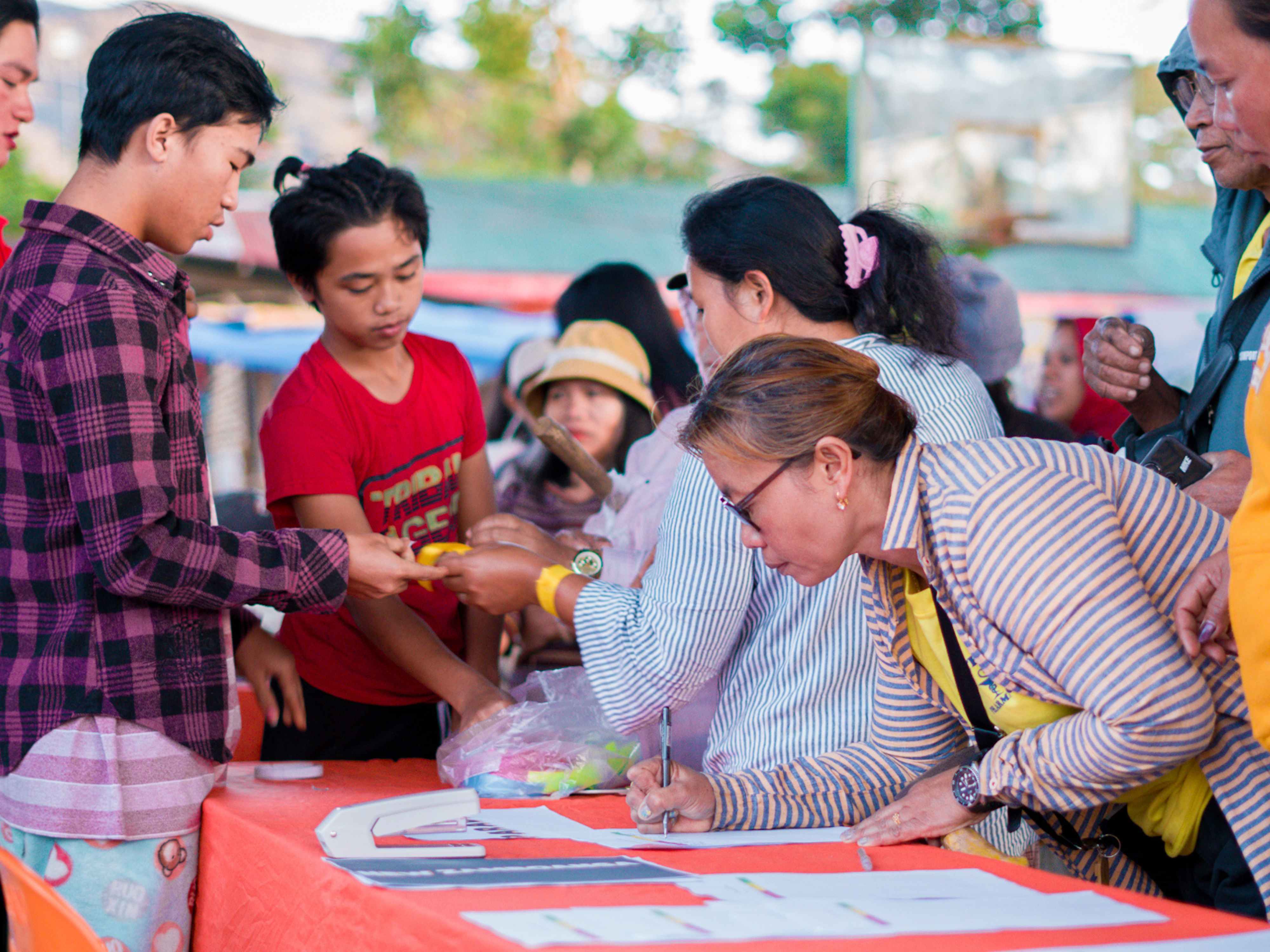
Distribution day discussions and registration activities.
MORE STORIES