Why We Do What We Do. Meet Nicole.
In every crisis, community comes first — families helping families, neighbors stepping up, and people like Nicole showing the true meaning of collective strength.
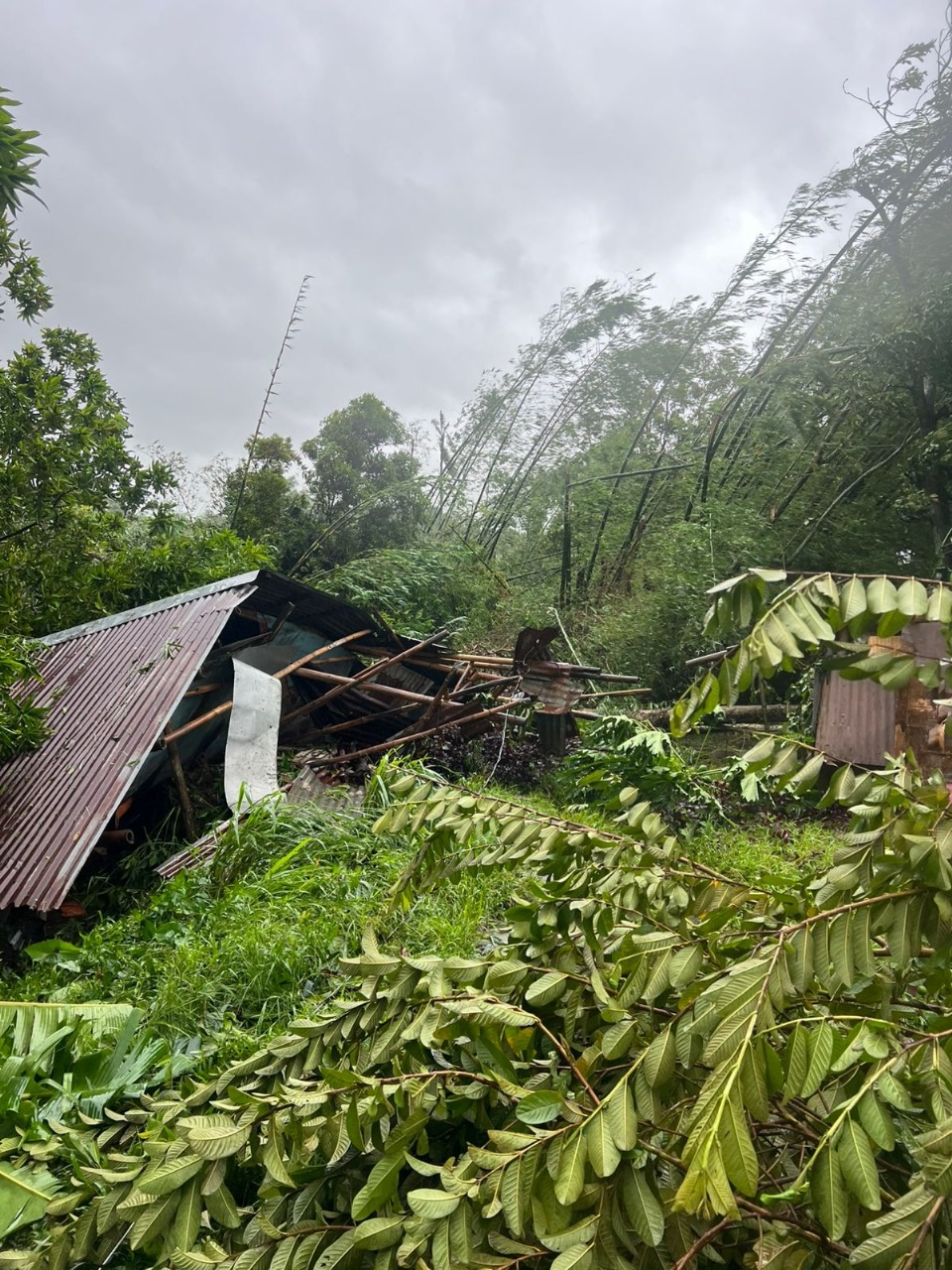
Estimates by the United Nations and the Philippine government suggest that 4.1 million people were affected, and 379,000 individuals were still displaced weeks after Typhoon Tino violently struck the Visayas in November 2025. Among them were hundreds of our advocates, community partners, and even one of our own team members who helps make many of our projects possible.
Even with the most resilient mindset—and the constant determination to return to “normal”—entire communities remain vulnerable, especially in remote and Indigenous areas where help takes longer to reach and where months without electricity, mobile signal, or basic resources are common.
One of our community members told us:
“Ako po marami nang trahedya nararanasan namin sa aming Barangay Biaknabato. Ngayon wala pa ako naule nong ng bakwit kami pag buto sa bulcan Canlaon sa among balay ngayon nabaha an nanaman kami pag bagyong Tino.”
Translation: I’ve experienced a lot of tragedies here in Barangay Biaknabato. I have not been able to return since the Canlaon volcano erupted, and now our house has also been flooded due to Typhoon Tino.
This is the shared reality faced by so many Filipinos every year. And that is why we want to share Nicole’s experience.

Where’s Nicole?
Nearly two hours after Tino hit Bacolod, Nicole went MIA. It was only until a few days later that we finally were able to connect with her when she appeared in our daily team meeting to check in. Her experience was what most of us see only on the news and struggle to imagine it actually happening to us.
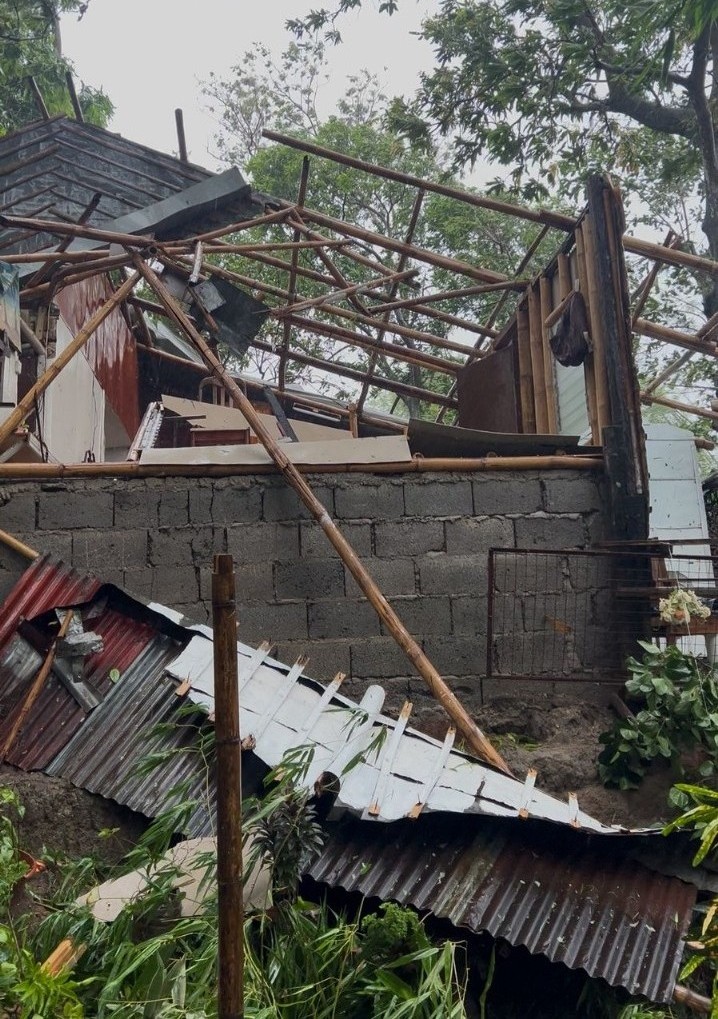
Her home's roof had been completely torn off.
The kitchen and its contents were destroyed.
Her family's source of livelihood, a sari-sari store (convenience store) was gone.
There was no electricity and an unstable cell signal to communicate or get help.
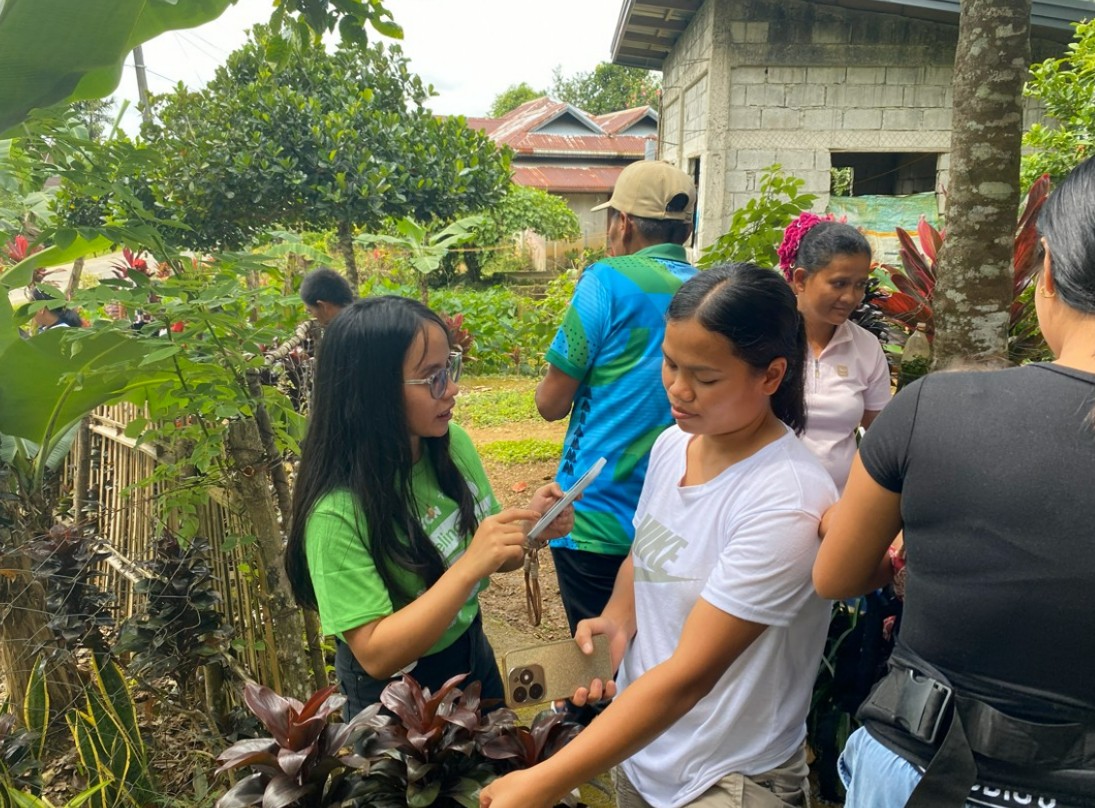
And still, in the days that followed, Nicole continued visiting and communicating with our project households, including the remote ones, to check on the communities we work with.
She reminds us what “kapwa” truly means, a shared humanity, a shared responsibility for one another.
We’re very proud of Nicole and grateful to have her on our team.
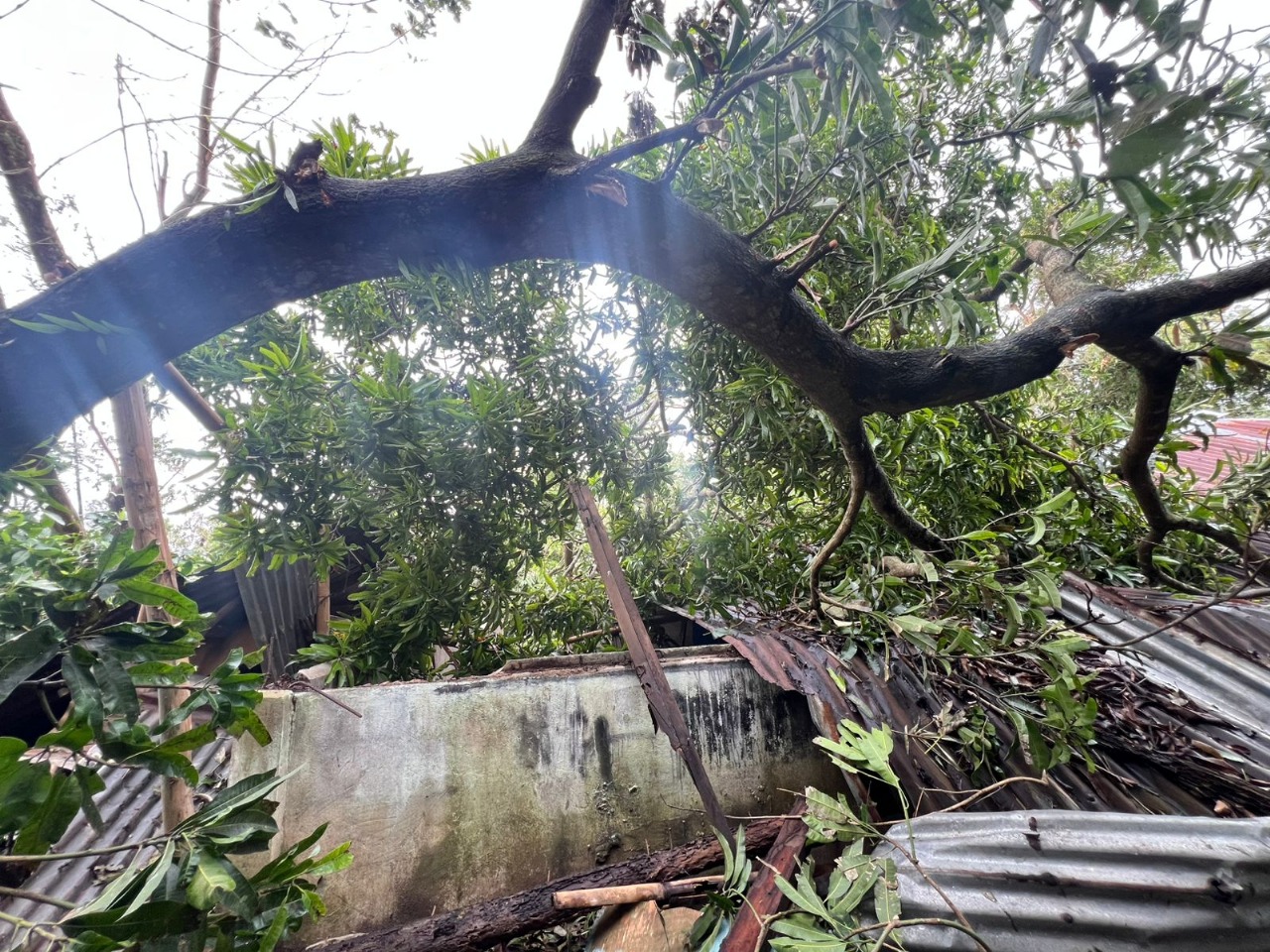
Nicole’s Experience During Typhoon Tino
Even during the Super Typhoon Yolanda in 2013, their home had remained intact. But Typhoon Tino was different. It uprooted century-old trees, snapped coconut trunks in half, and tore entire roofs off homes, including hers.
“The silence was frightening”
Nicole and her family stayed home during the storm. The silence was frightening, the deceptive calm around 9 AM when the winds stopped completely.
Then at 10:20 AM, the real force of Tino arrived.
Their first roof sheet was blown off. The cell signal disappeared. The house darkened. Trees began falling around us. They evacuated to a neighbor’s home on higher ground as the water came flooding in. Their family remained close while listening to the terrifying howl of the wind as the Typhoon pounded the community for over two hours.
After the Storm
When the skies finally cleared, Nicole and her brother walked out to buy supplies, only to see Bacolod in ruins: fallen electric posts, destroyed buildings, panic in the markets, and entire neighborhoods in shock.
Families began working together clearing debris from the roads and helping households in need. Everyone shared what little they had, and found ways to stay positive despite everything lost.

The Hardest Part
One moment Nicole cannot forget is when the roof of her mother’s sari-sari store, her family’s livelihood, was torn off. She, her mother, and her brother held onto each other as roofing sheets flew across the road.
Their electricity and internet would not return for almost three weeks.
And without a way to cook food, they relied on the Buhay Stove that was used for training, using firewood her father had collected and returning to cooking practices they thought they had moved on from years ago.


Why We Share This
Nicole continued on even while rebuilding her home. She kept working with the communities, even when her own was in distress. She showed us that resilience is not just about surviving hardship, it’s about continuing to care for others in the middle of it.
This is why we do what we do.
In times of crisis, the first responders are always the community: families checking on neighbors, volunteers offering help, and people like Nicole showing what collective strength looks like.
At our core is the belief that kapwa must guide our actions. Our relationships and our shared humanity are what sustain real, lasting change.

.jpg)