education
community
wellbeing
soil health
waste management

Fueling the future of our country through childhood nutrition

We build gardens and bring composting into every household. We run workshops that give parents the confidence and knowledge to understand what their children need. The the most powerful thing we can leave behind isn't a meal. It's a family that knows how to grow it, cook it, and want it.
Project details
Inception - 2025
Status - Active
Sustainable Development Goals
why this matters

Malnutrition is silent and its effects are permanent

Children do not need to look visibly unwell to be impacted by malnutrition. It shows in measurements, in energy levels, in the pace of development. Left unaddressed, its effects compound through school years and into adulthood. This is why identification matters as much as intervention: you cannot treat what you cannot see. This is why early, integrated, community-based nutrition programs are vital to the future of our nation.
1 in 3 children
under five are stunted in the philippines
amongst the worst rates on the planet
The Philippines ranks among the top 10 countries globally for number of stunted children
In Western Visayas and Mindanao, where we work, the rates exceed 40%
Most cases go undetected without structured community monitoring
1,000 days
to shape a child's future
when the brain, immune system, and body develop at their fastest rate
The cognitive development lost to malnutrition in this window cannot be recovered through schooling or intervention later
The evidence follows the child into school, into work, into the family they eventually raise
it's biology
Stunting cannot be undone
shaping cognitive development, physical growth, and lifetime potential
Cognitive losses from early stunting affect attention, memory, and processing skills
This is biology, not willpower — the damage is structural
A stunted child is statistically more likely to have a stunted child, the gap compounds across families and not just individuals
2+ decades
of stalled progress in the Philippines
despite sustained economic growth and government programs
National economic progress conceals a crisis at the community level
The Philippines allocates just 0.52% of government spending to nutrition related programs, 4x below the global average
The Human Capital Index rates a child born in the Philippines today at 0.52, meaning they are expected to reach only half their potential productivity due to gaps in health and education
95% of cases
live beyond reach of nutrition services
where rural communities face the greatest need and the lowest access
Frontline health volunteers are unpaid, undertrained, and under-resourced
Distance is not just geographic — it's who gets counted, who gets visited, and who gets helped
Nutrition programs are designed around urban infrastructure which have been historically ineffective with rural areas
Note: One click to activate the accordion, a second click to operate it.
"
We're not trying to create a feeding program. We're trying to make feeding programs unnecessary by working with parents, daycares, and communities to build the knowledge and habits that shape a child's first years, long after we leave.
Renz Ladroma — Co-founder, Nayon
THE MISSING INGREDIENT

The ingredients exist. What's missing is the knowledge to use them.

Fresh vegetables grow locally, seeds are free, and land is available. Without the confidence and knowledge to use what's around them, families default to what's familiar. This is why we invest in people before food — because a mother who understands nutrition makes different decisions each day.

We build nutrition plans with local crops
We focus on locally prolific crops that are fresher, more nutritious, and easy to grow. Our guidance starts with whats readily available and affordable.
Children who grow food eat it
When children tend a garden, they eat more diversely and with greater willingness. We start that relationship from the earliest age.
Parents with knowledge and confidence
We work with mothers and caregivers directly to build their confidence to make better decisions every day, with what they already have.
Economic truths

Malnutrition isn't just a health crisis.
It's also an economic one.

The losses are not hypothetical. They are the wages never earned, schooling never completed, and lives shortened due to health issues. In the communities we work in, these figures are not statistics, they are the trajectories of families we know. The argument for early nutrition intervention is not just moral. It is one of the highest-return investments a country can make.

₱496 billion
lost by the Philippine economy every year due to poor nutrition (equivalent to 2–3% GDP)
₱1.36 billion
the daily cost of inaction on malnutrition in the Philippines
10.8 IQ points
lost on average per case of stunting, alongside 1.5 years of schooling
₱2.3 trillion
projected productivity loss by 2030 if stunting rates remain unchanged
100x return
every ₱1 invested in early nutrition programs results in health, education, and productivity gains
filipino crops

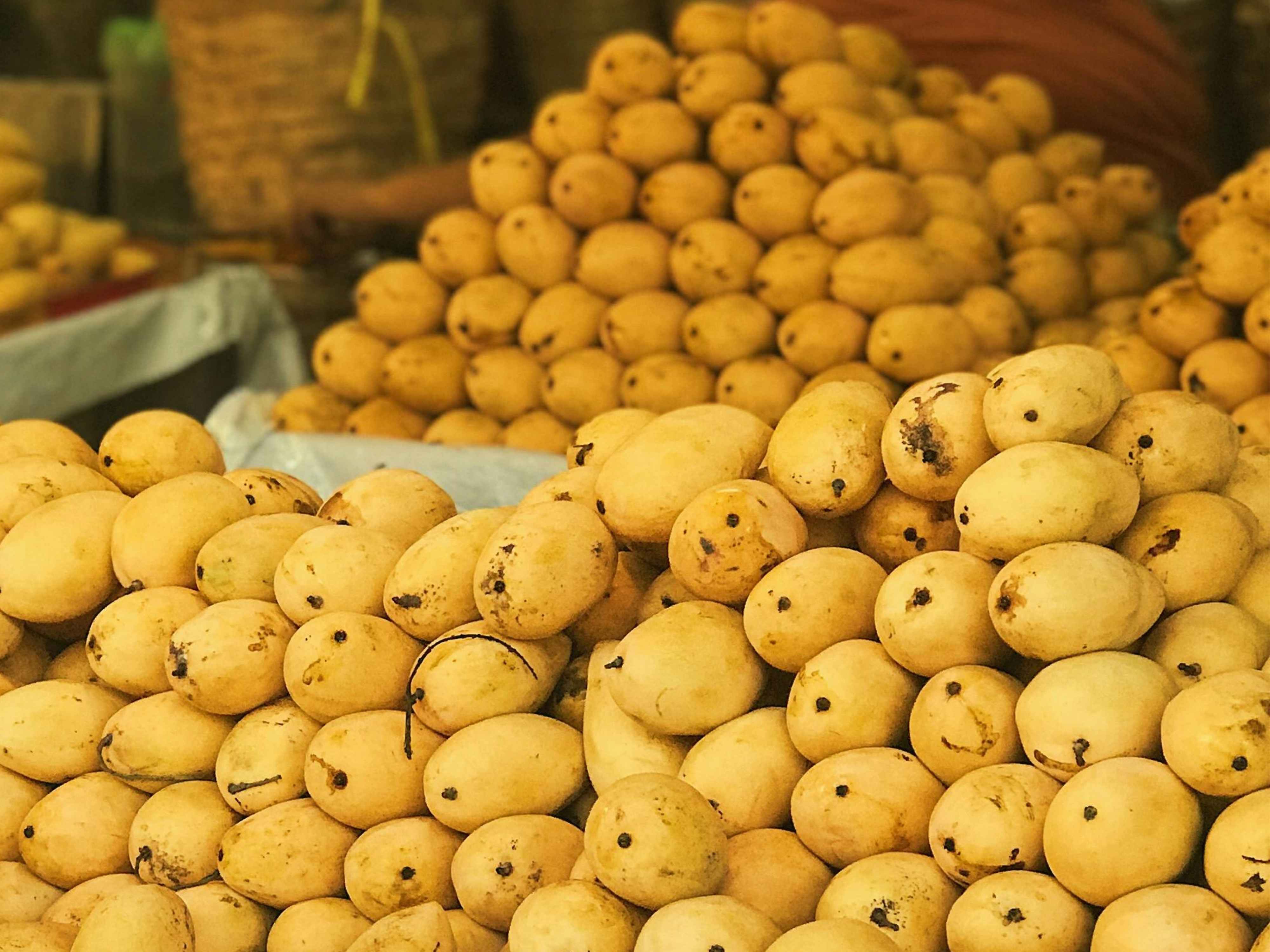
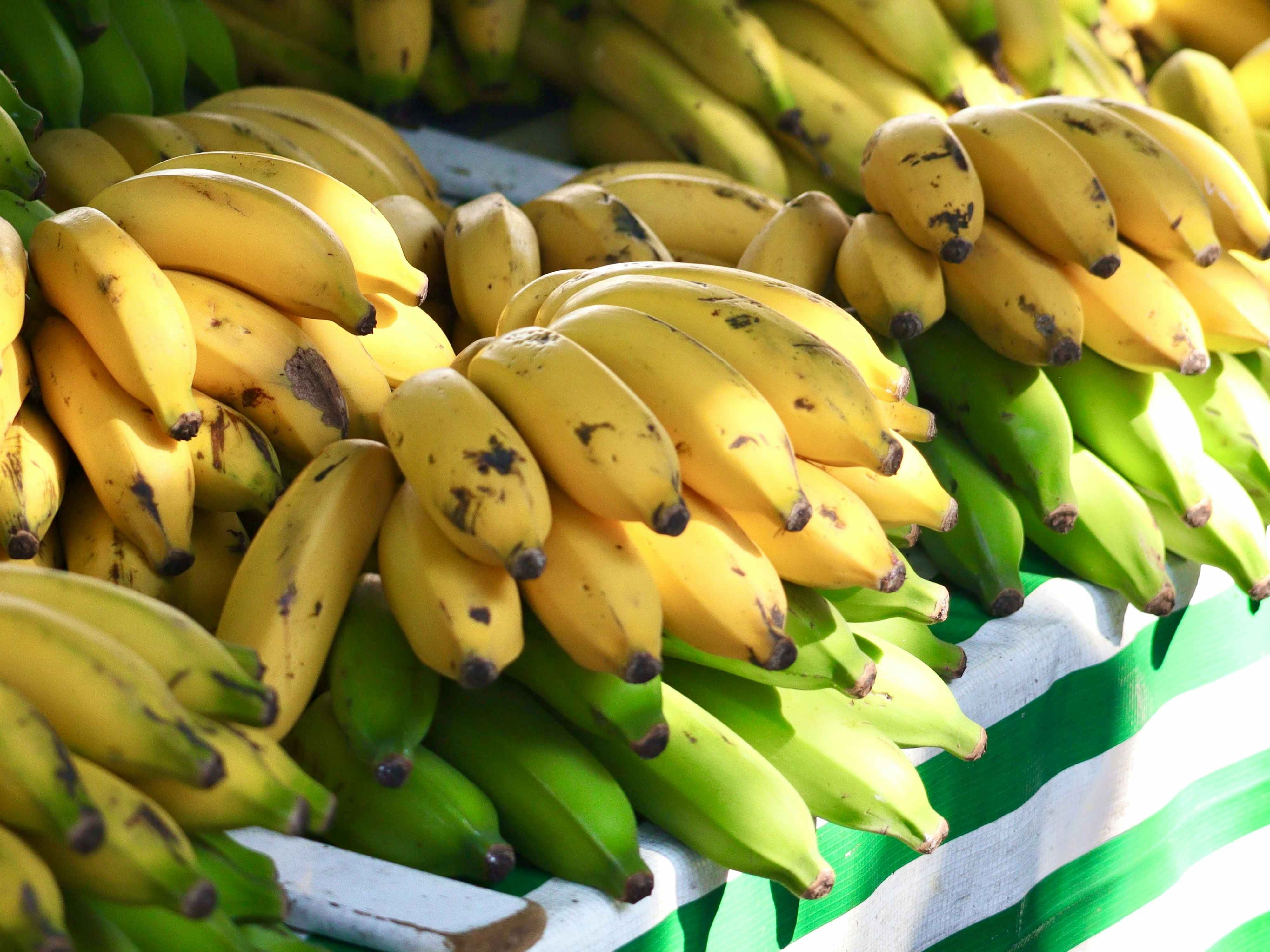
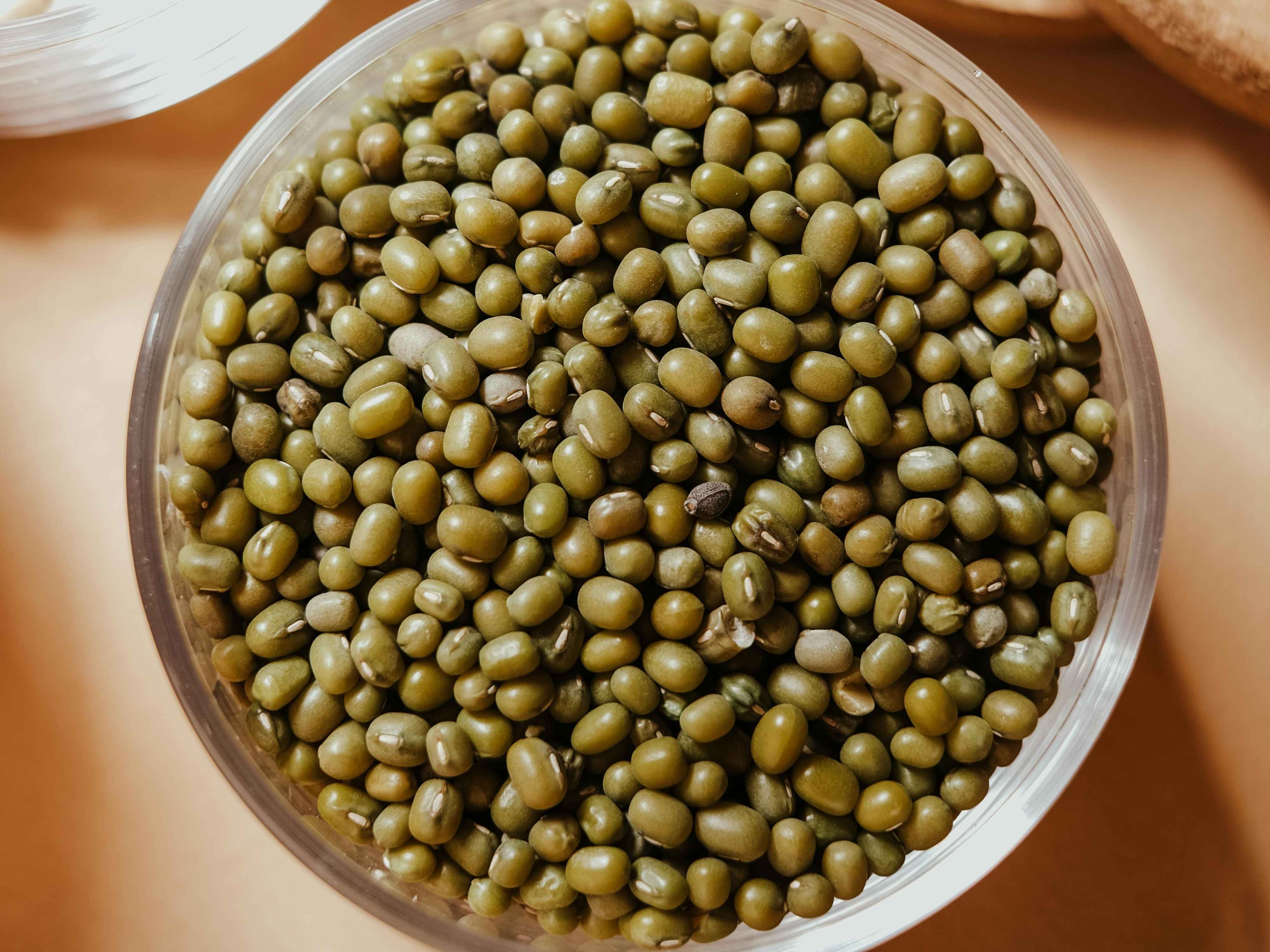
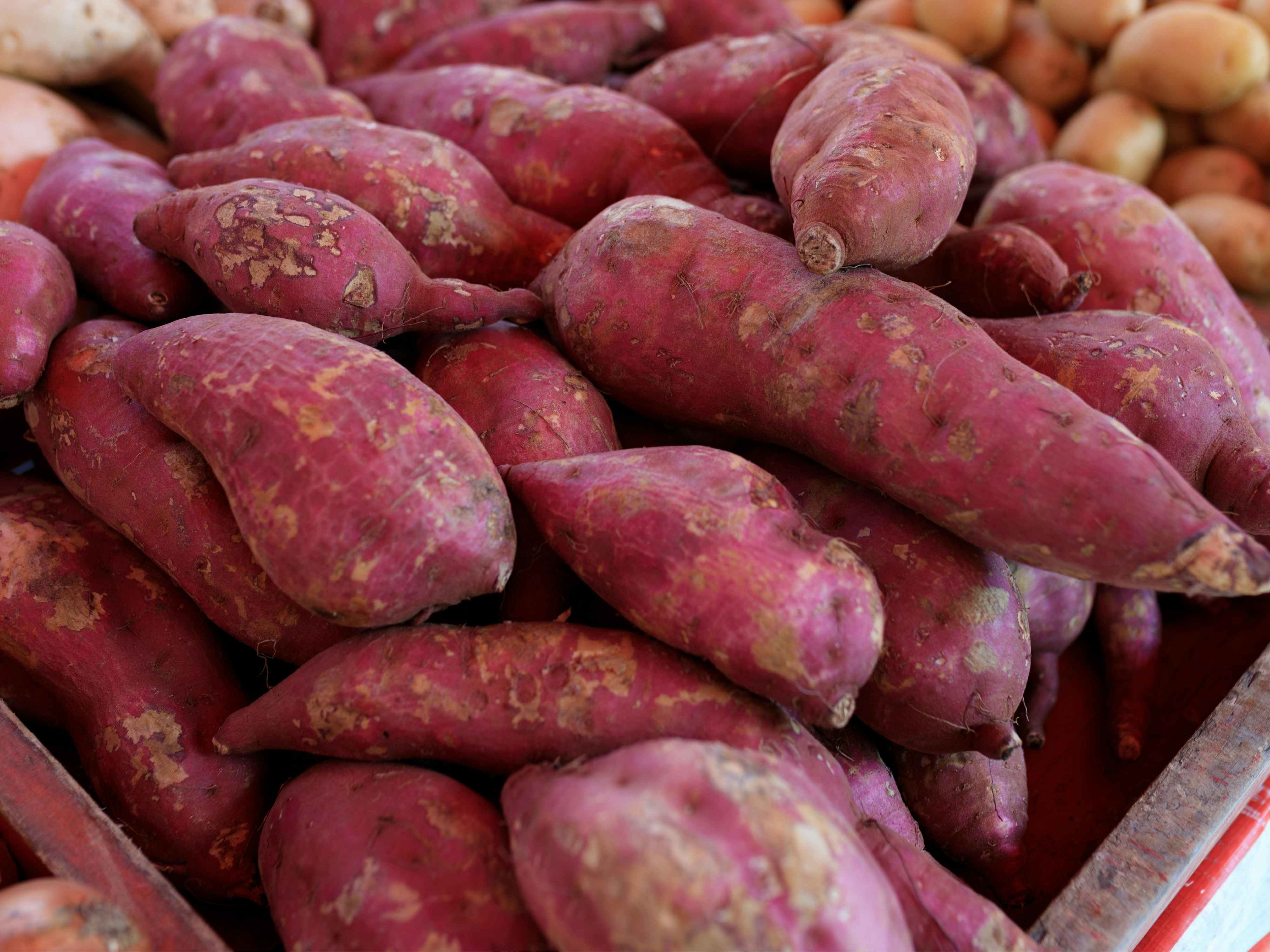
Locally grown & nutritious

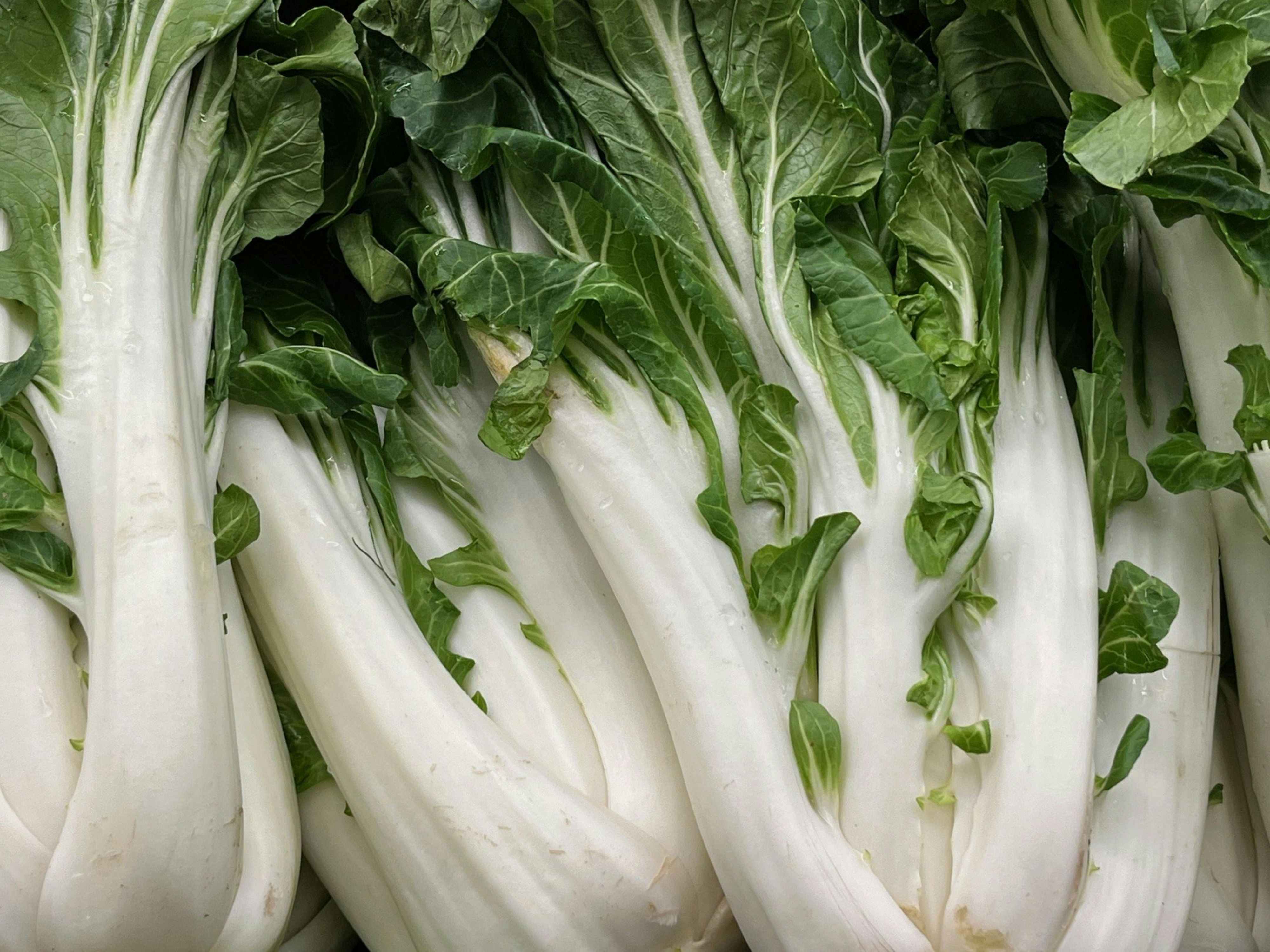
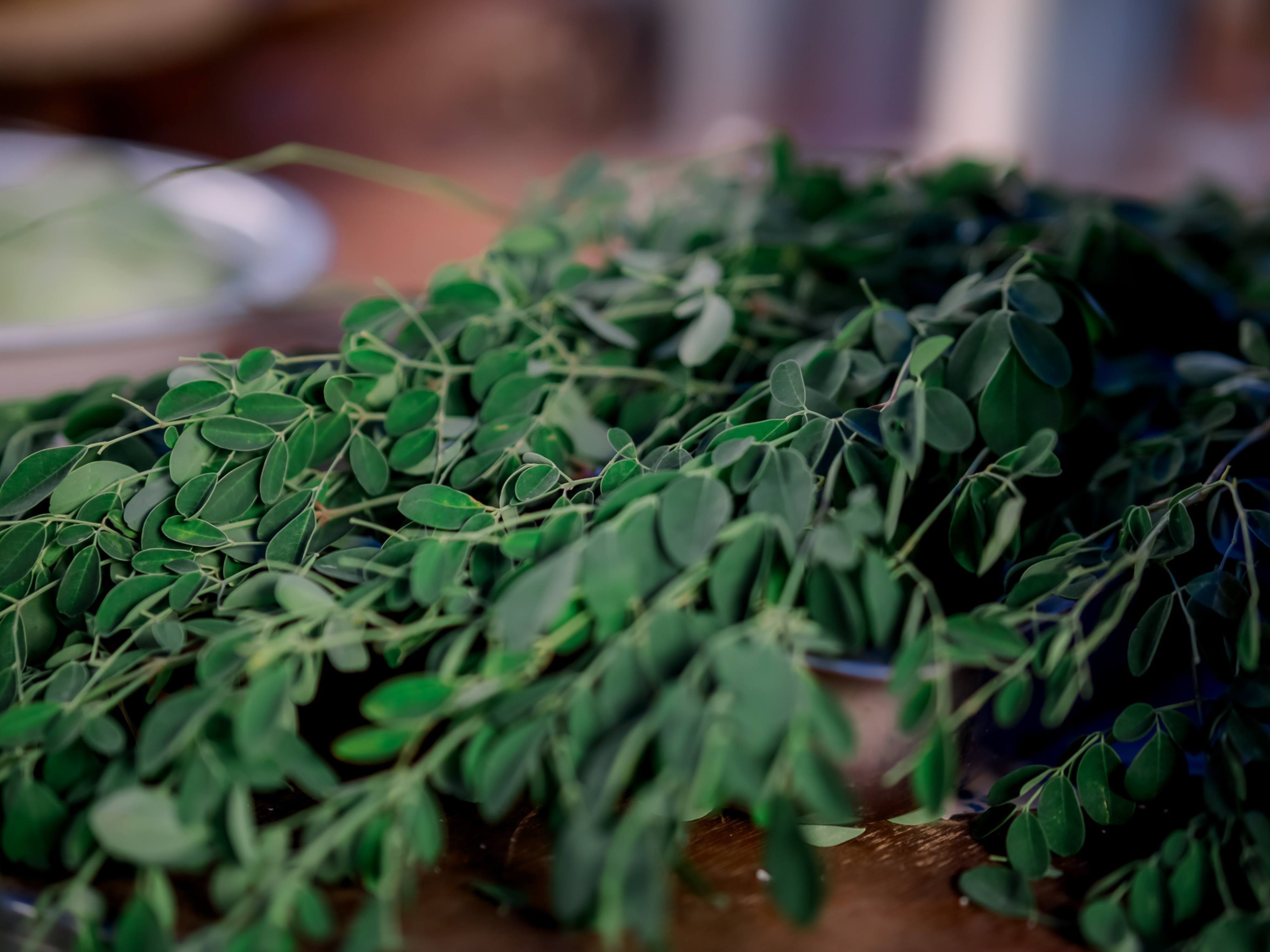
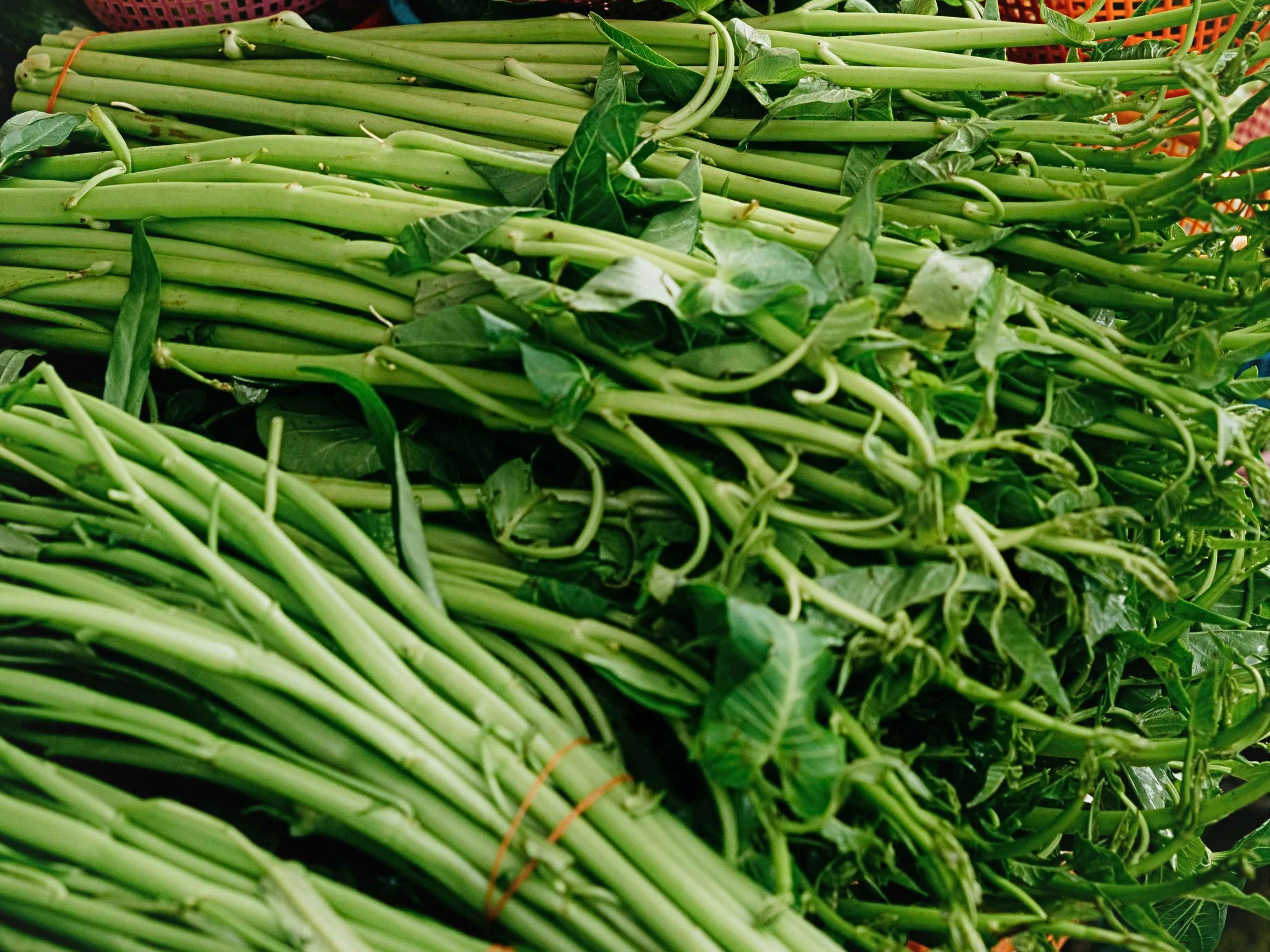
The crops below address the five most common nutritional deficiencies in children under five in the Philippines. All of them grow locally. Most can be grown at home.
DEFICIENCY %
OPTIMAL CROPS
Iron
90%
Kangkong
Pechay
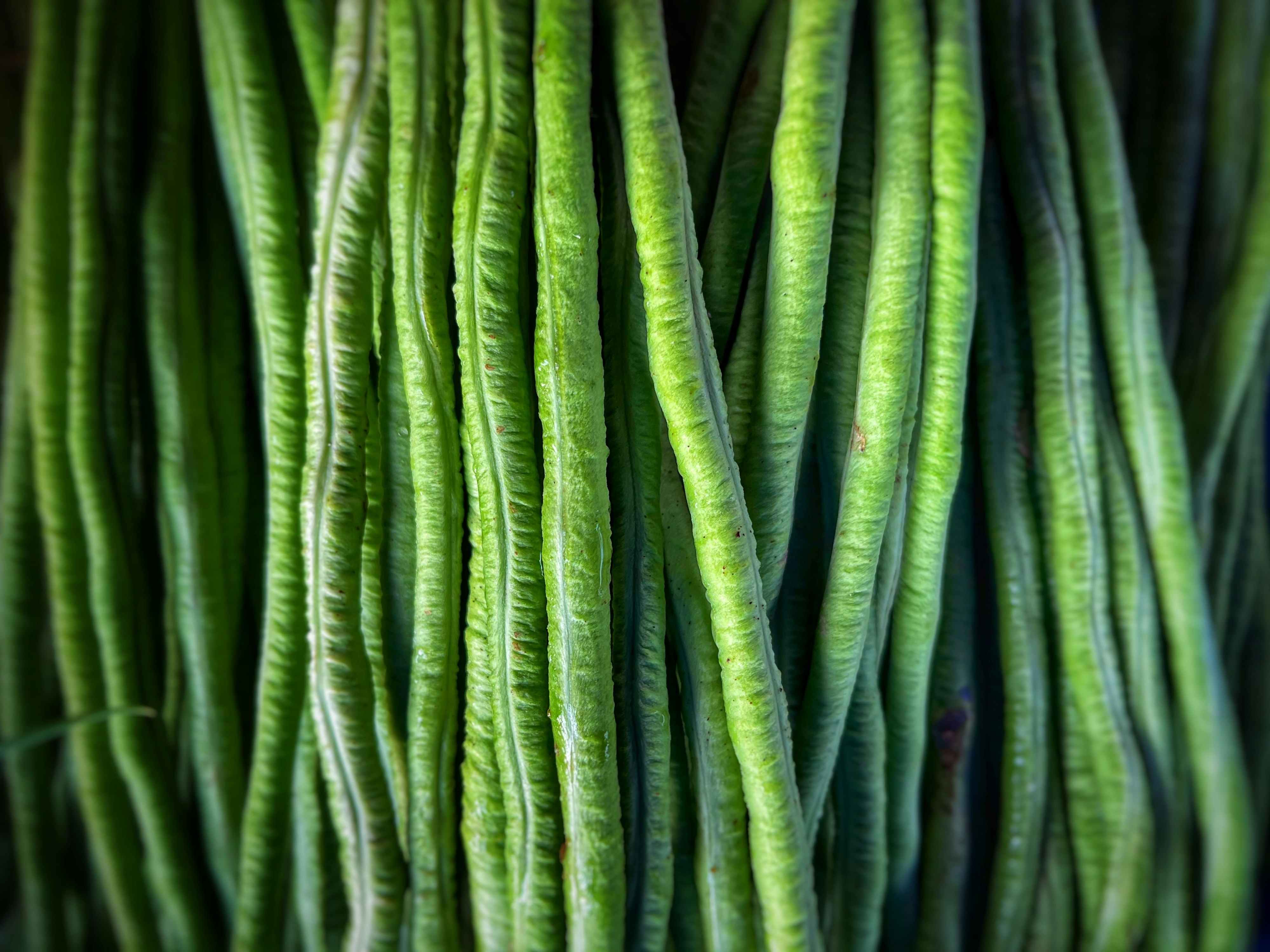
Sitaw
Ampalaya
Calcium
84%
Alugbati
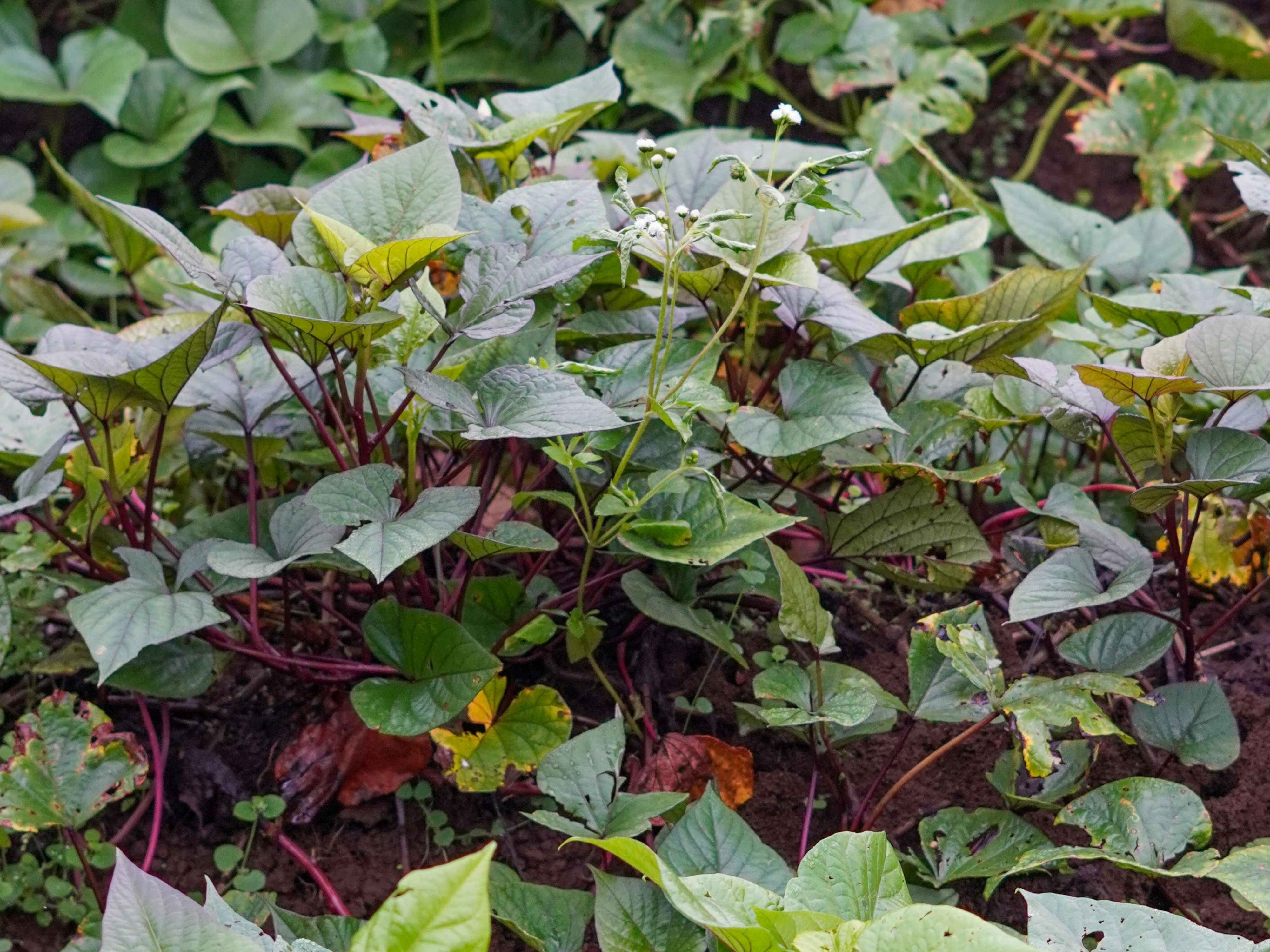
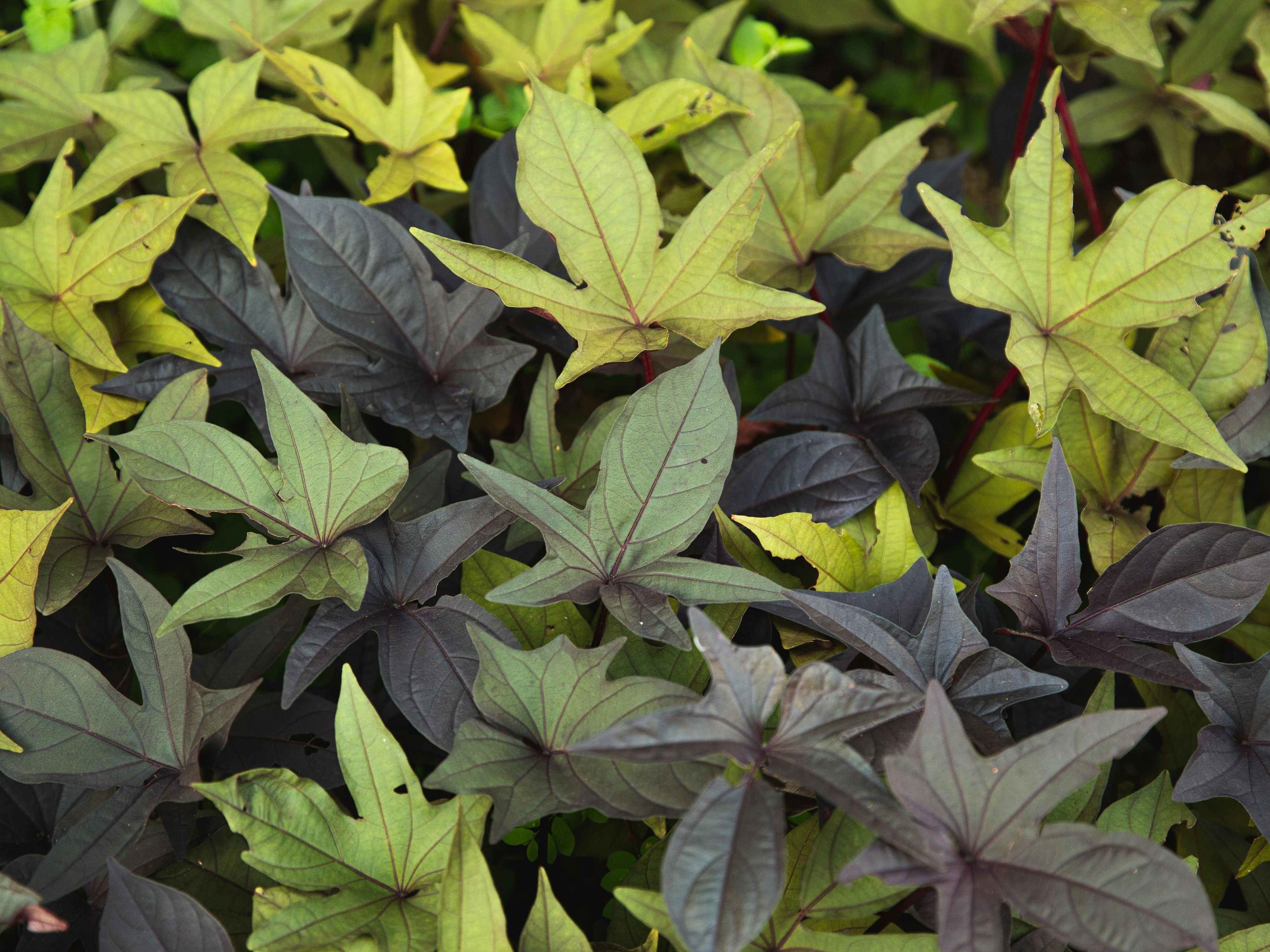
Kamote tops
vit. c
60%
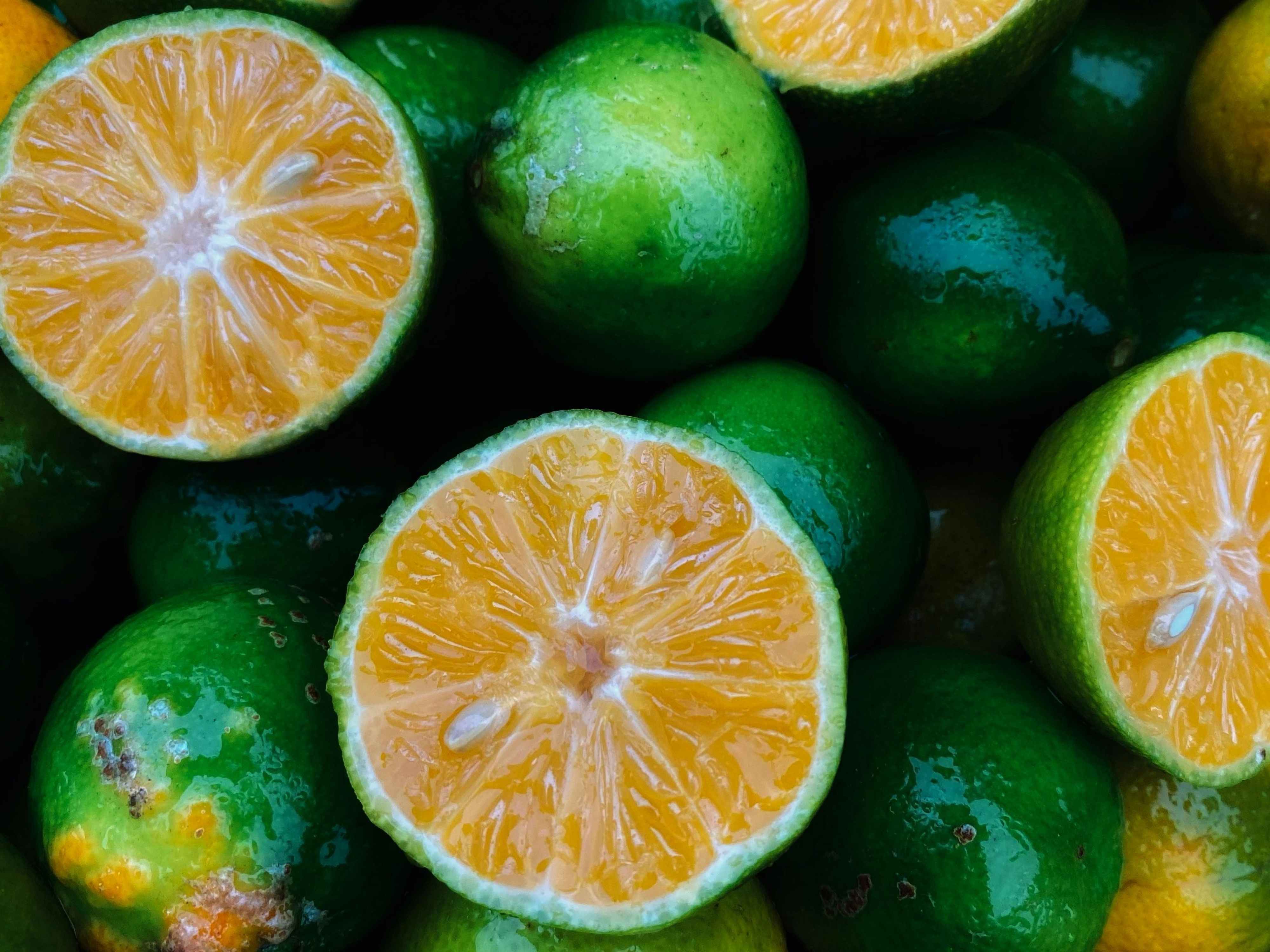
Calamansi
Mango
zinc
47%
Banana
Monggo
vit. a
43%
Kamote
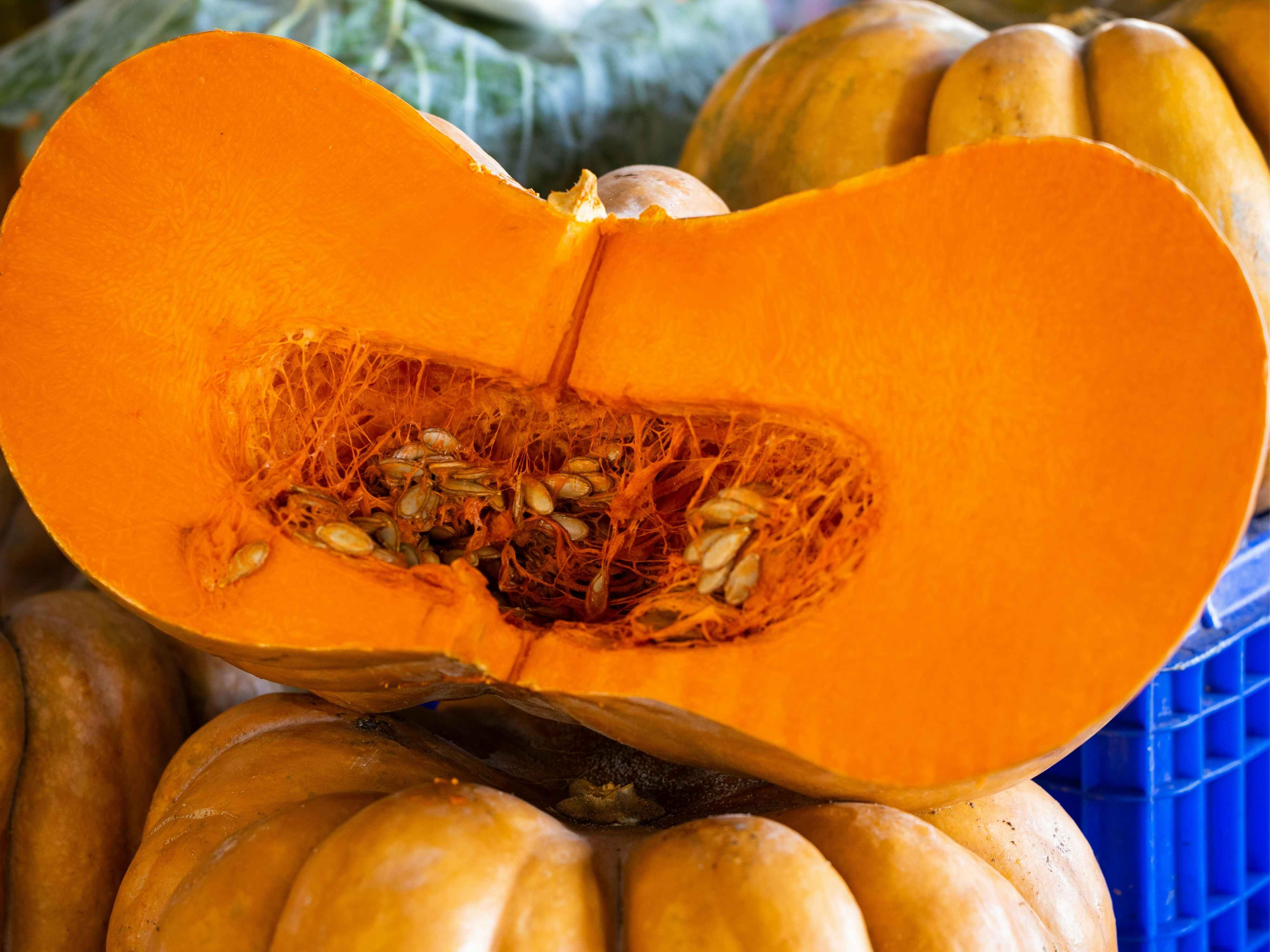
Kalabasa
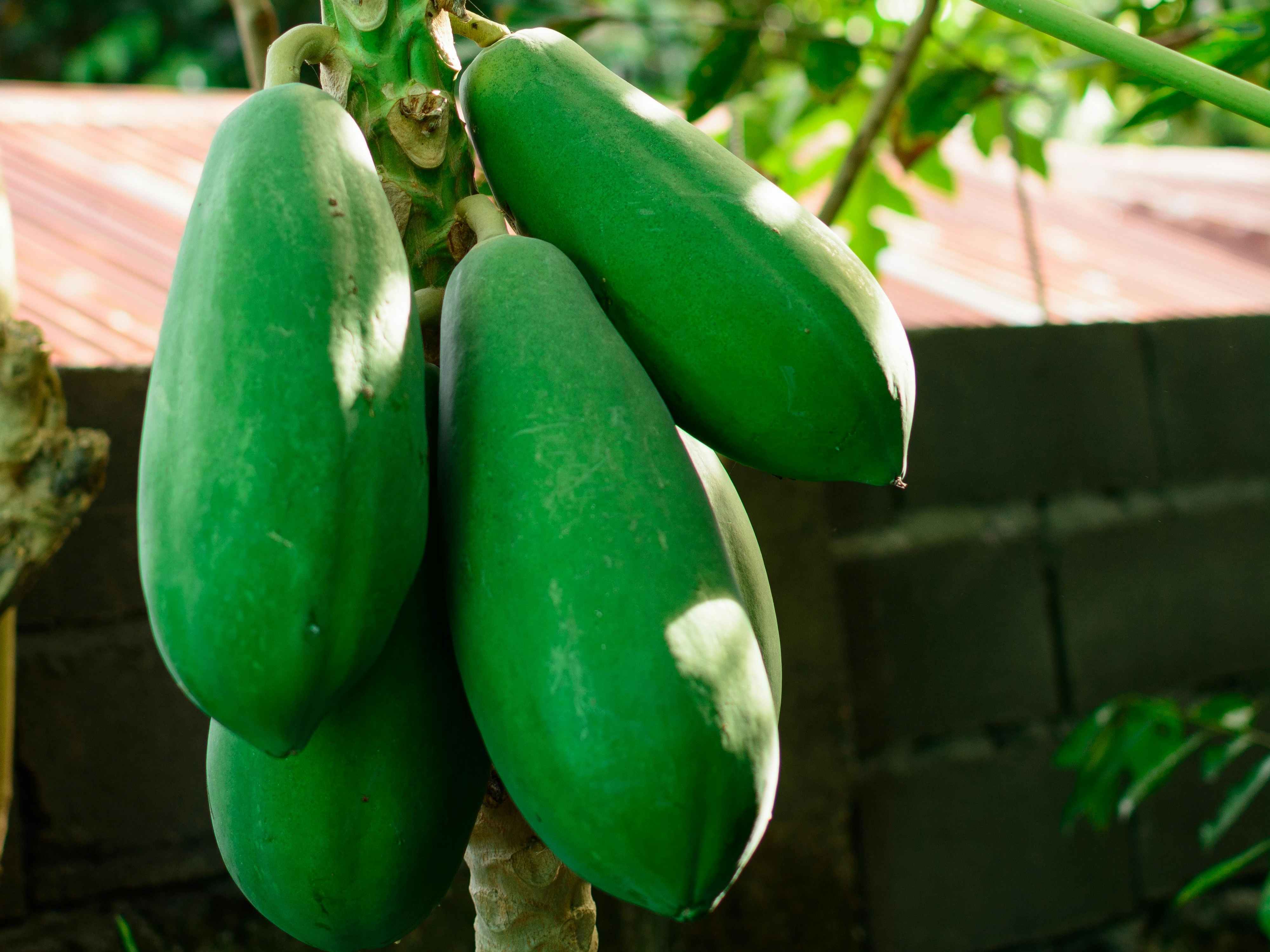
Papaya
pillars of success

One integrated program, built with resources communities already have

We wanted our program to be functional and fun in all rural communities by using what's already there: the land, the crops, the caregivers, and the surrounding community.

Family Nutrition Education
01 ↓
Cooking Class: Lunch Date!
02 ↓
Gardening: Growing Together
03 ↓
Composting & Soil: Full Circle
04 ↓
Hygiene Habits
05 ↓
FAMILY NUTRITION EDUCATION
When parents are engaged, families succeed
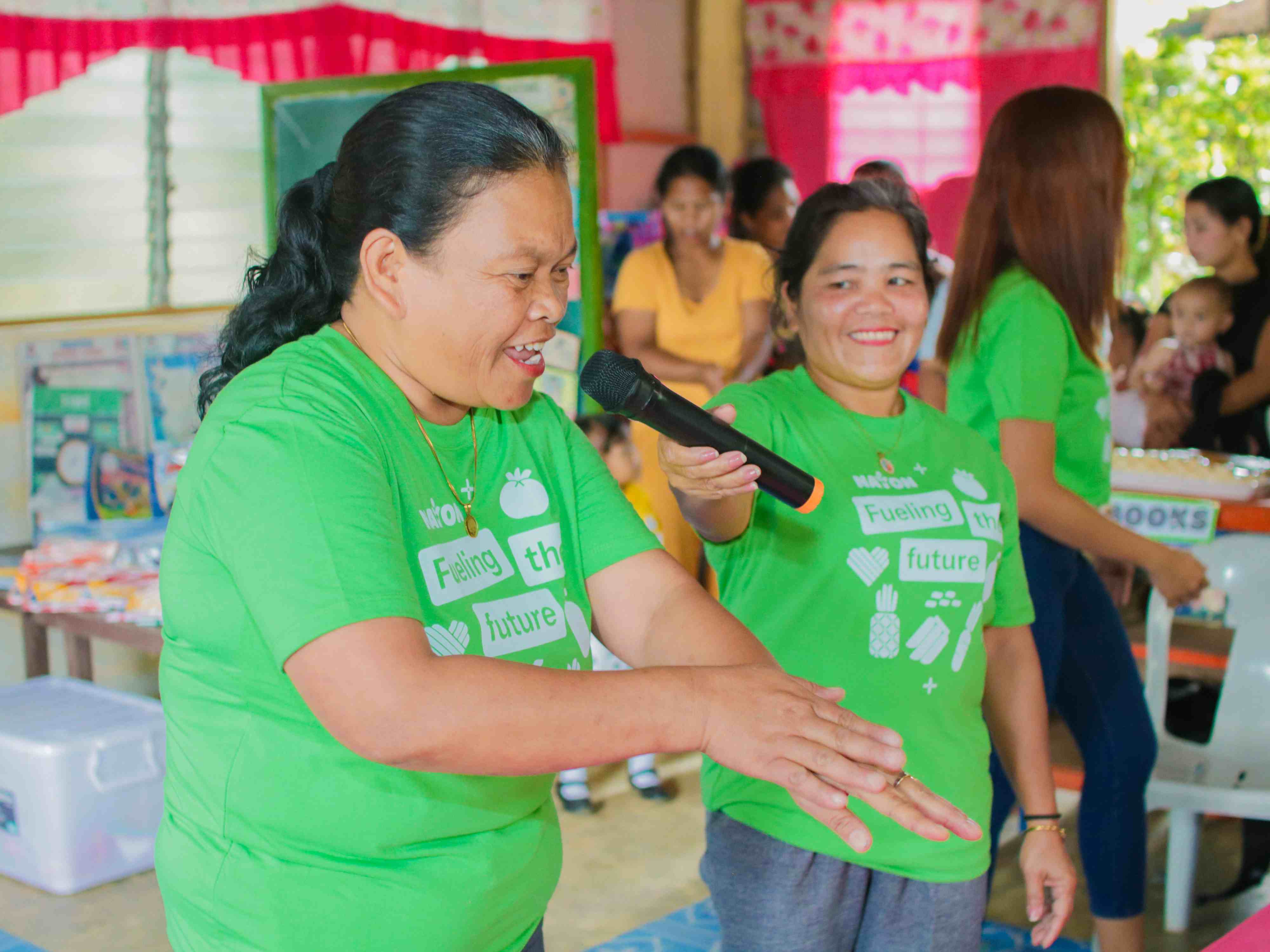
Most programs lecture. Ours starts with a community gathering, a hands-on cooking workshop for parents and then a shared meal. When the program feels worthwhile, parents show up and stay involved through everything that follows.
Then we cook
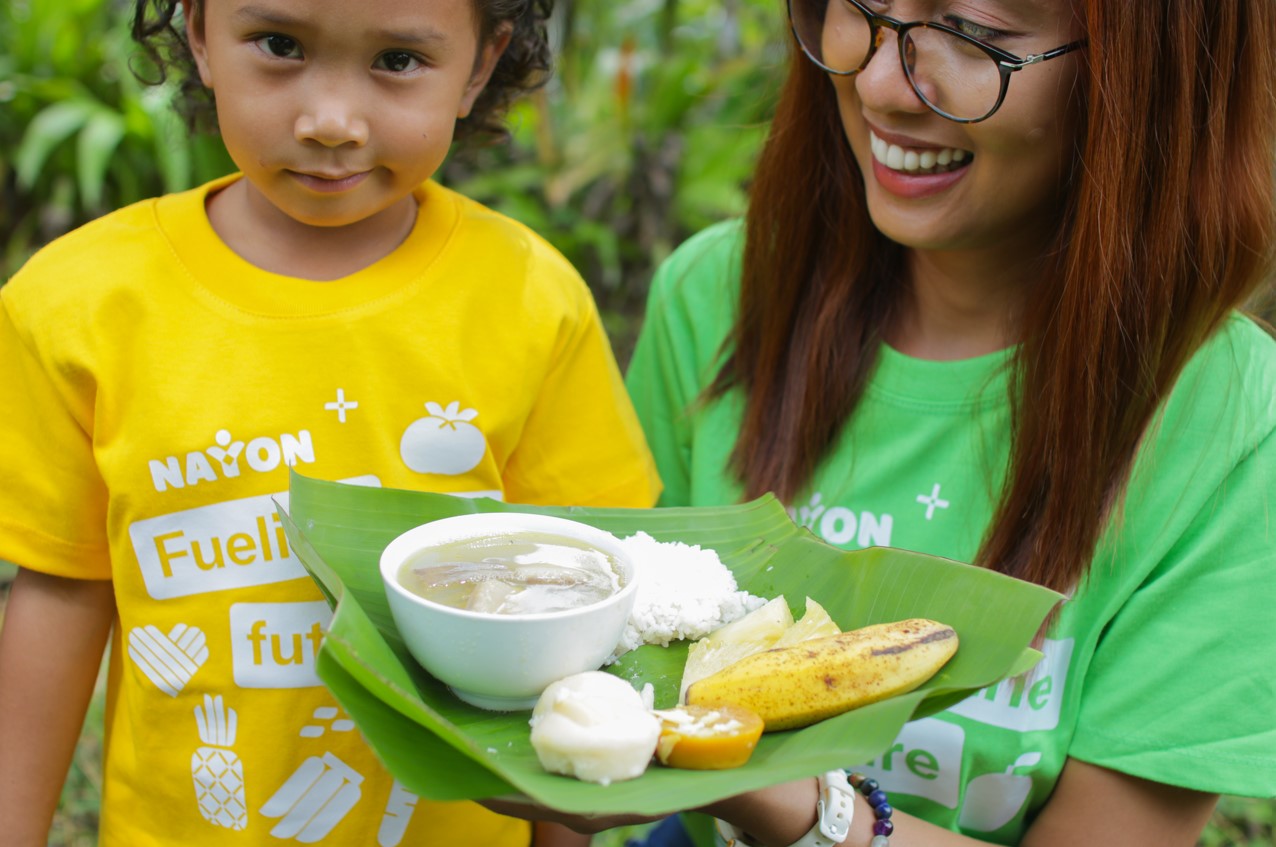
We supply everything — ingredients, stations, and  guidance throughout. Every family cooks new dishes from start to finish. When it's done, they eat what they made. For many parents, it's the first time they've cooked a full nutritious meal with vegetables  and realised it can taste good. That's the beginning of a different relationship with food.
LUNCH DATE!
Parents COOKING WORKSHOP

Chopping, combining, cooking, and eating together. Parents leave confident enough to do it again at home.

Lumpiang Sariwa
Adobong Kangkong
Ginisang Monggo
Malunggay Pesto
Ginataang Kalabasa
Egg Kalabasa
FUELING THE FUTURE
1
Welcome
All enrolled parents gather. The program is introduced covering its goals, its structure, and what it asks of parents.
2
Why it matters
The nutritional case — what's at stake, explained in plain language for every parent in the room.
3
The Filipino Plate
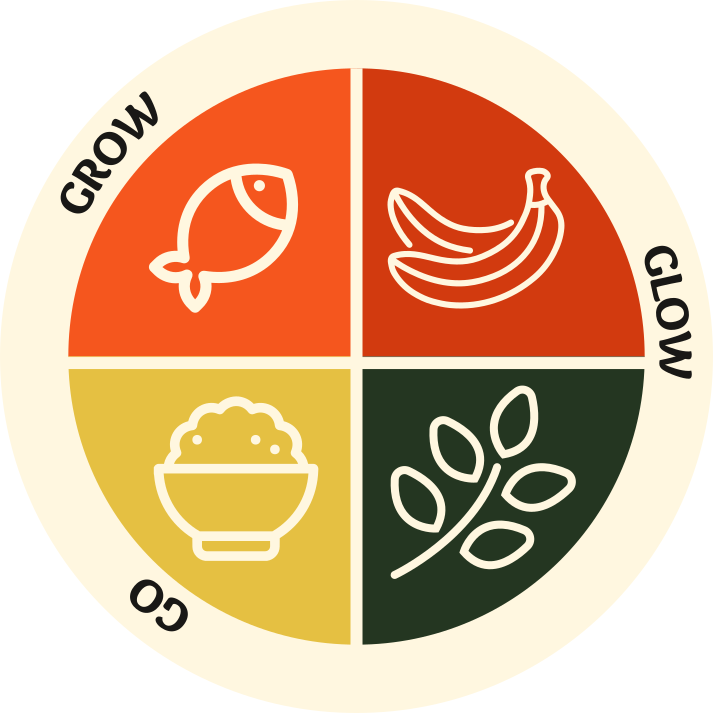
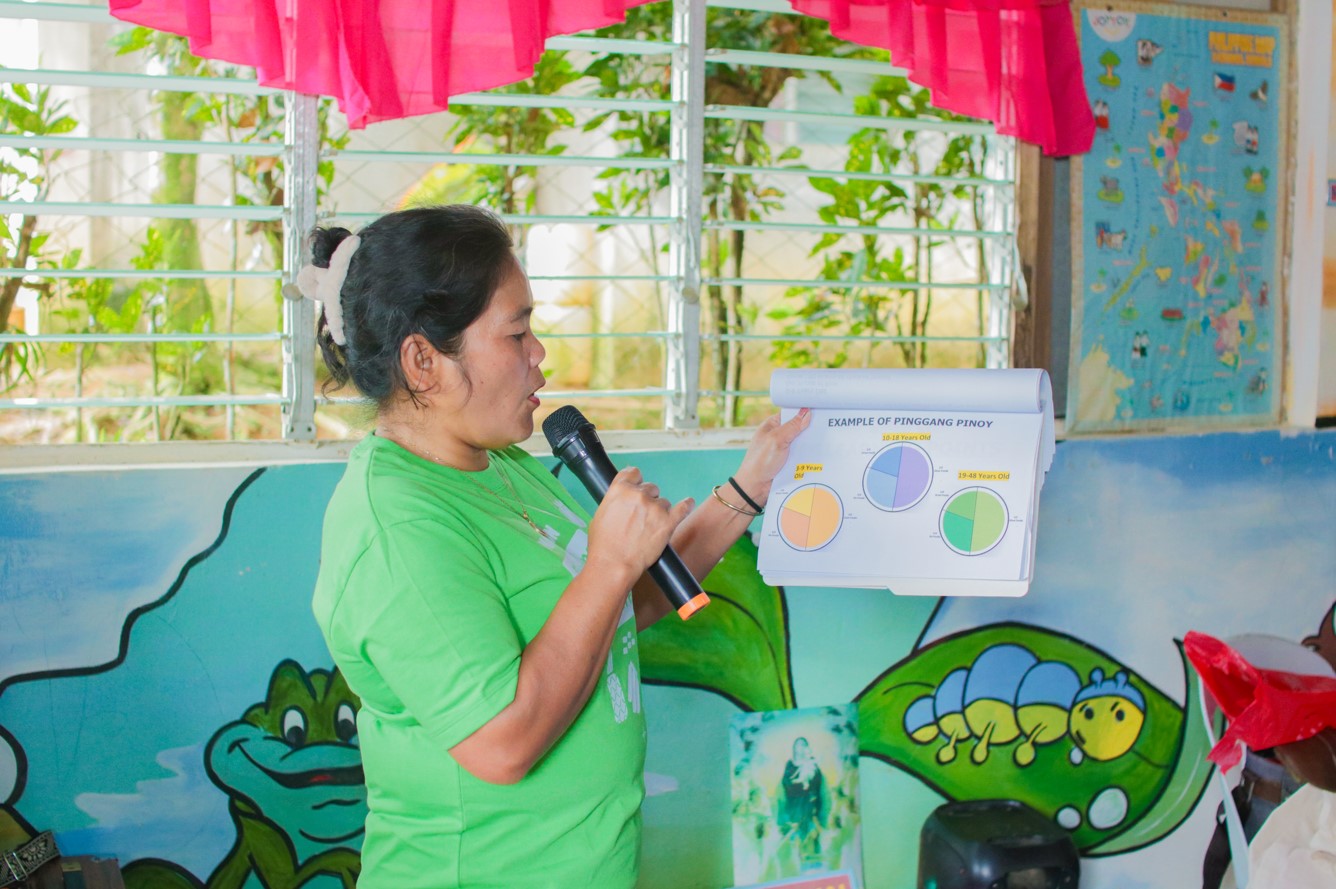
Our nutritional framework is based on Go, Grow, Glow, which we've mapped to familiar foods locally abundant.
4
Lunch date — cook together
After the nutrition education is finished, we start our cooking workshop. We provide the ingredients for cooking 4-5 highly nutritious meals prepared from scratch. Everyone cooks, everyone eats.
5
The program begins
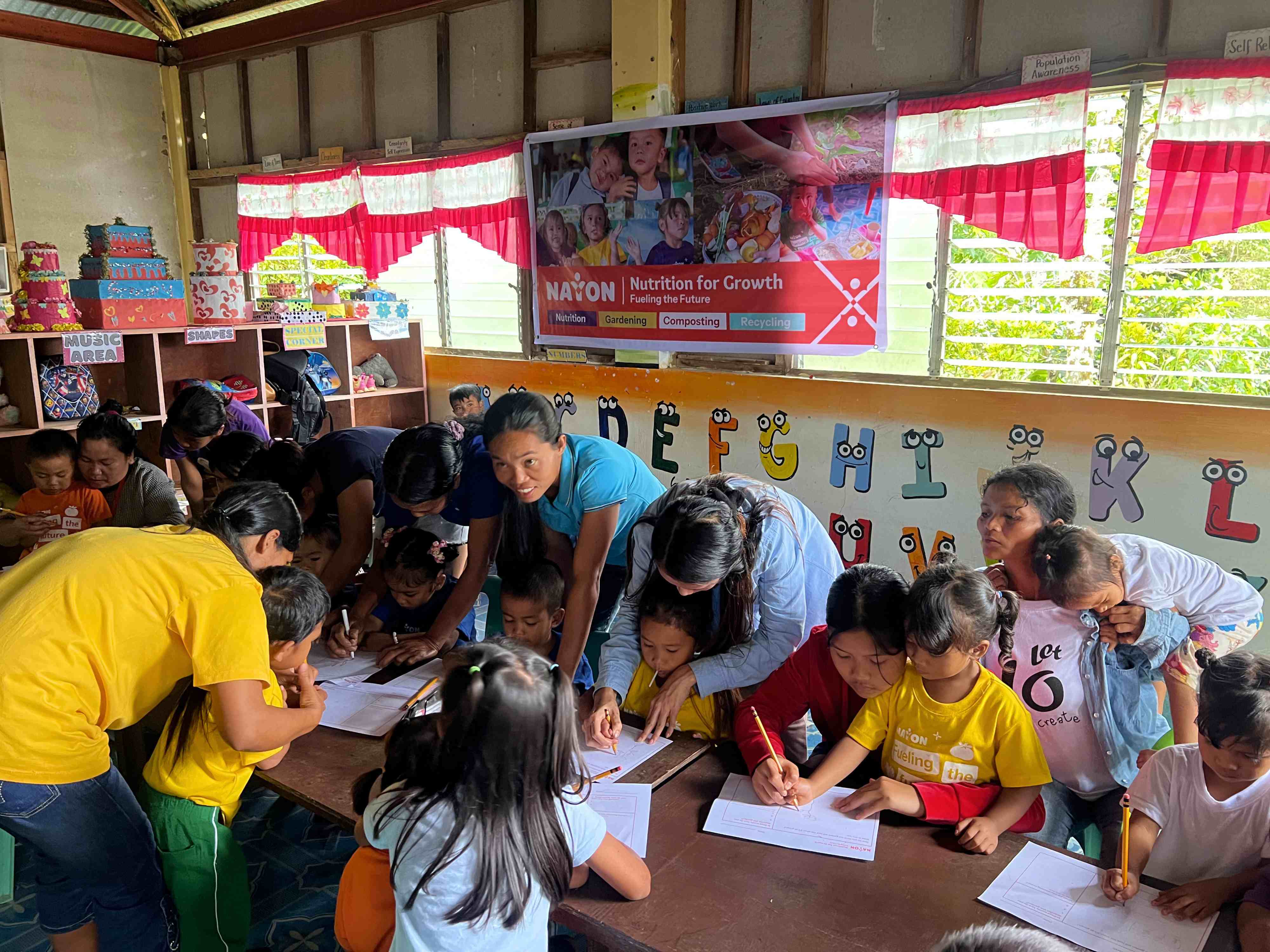
From here, we start working with the daycare. We begin building the garden, establishing a composting program, and create opportunities to engage with the families.
OUR NUTRITIONAL FRAMEWORK

We follow the Pinggang Pinoy

Source: Food and Nutrition Research Institute — Department of Science and Technology (FNRI-DOST)
GO

Energy foods

Go foods provide the carbohydrates and energy children need for physical activity, play, and growth.

GROW

Body-building foods

Grow foods supply the protein children need for tissue development, muscle growth, and repair.

GLOW

Protective foods

Glow foods are the vitamins, minerals, and antioxidants that keep the immune system strong and the body functioning well.

The Pinggang Pinoy (Filipino Plate) is the official food guide developed by the Food and Nutrition Research Institute (FNRI-DOST), in collaboration with the World Health Organization, Department of Health, and National Nutrition Council.

GROWING TOGETHER

Studies show when children grow it, they eat it
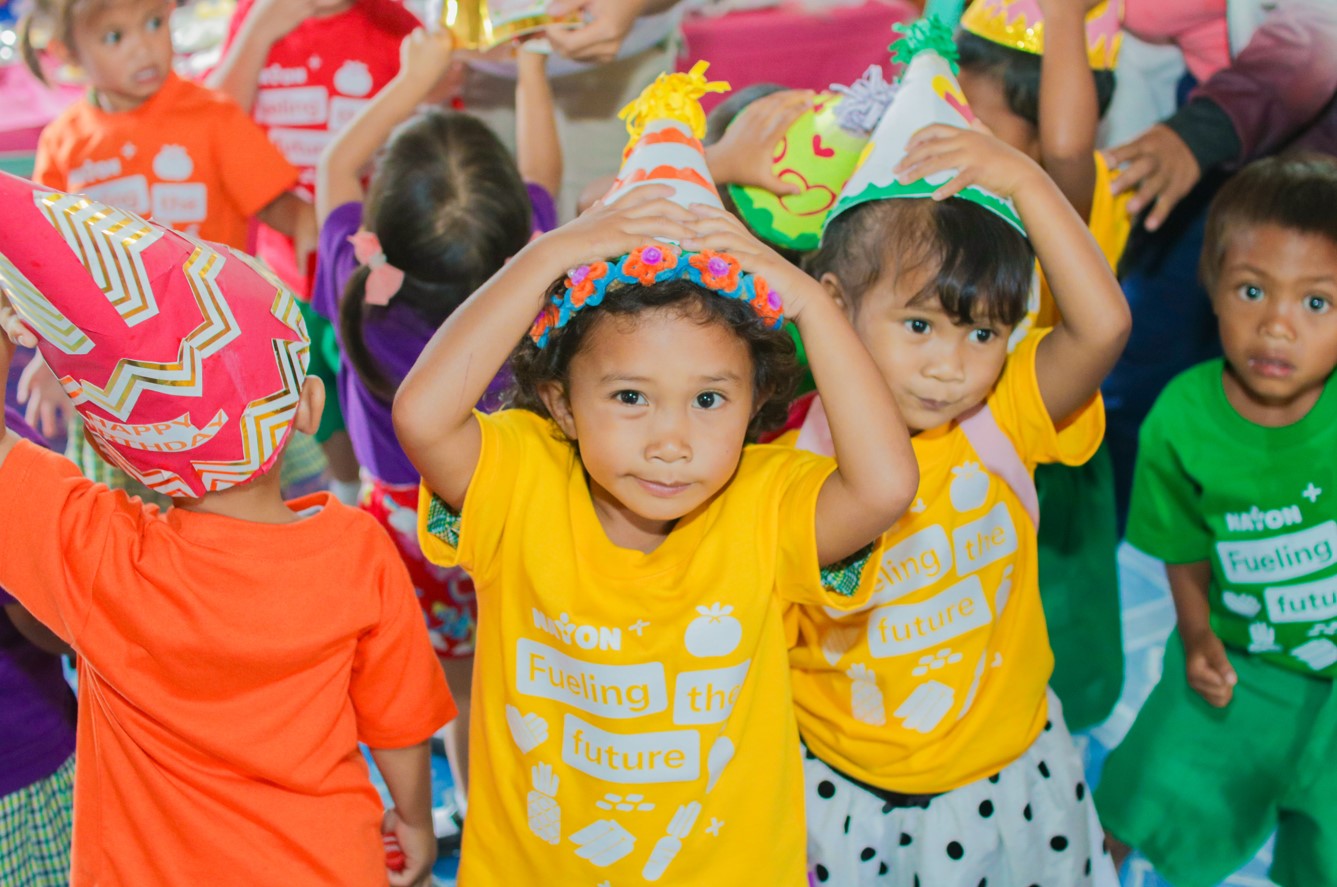
Seed to plate
Children who grow their own food eat more of it. Research consistently shows that garden-based programs increase vegetable consumption in children. The connection between growing and eating is what drives the change.
Garden kits for home
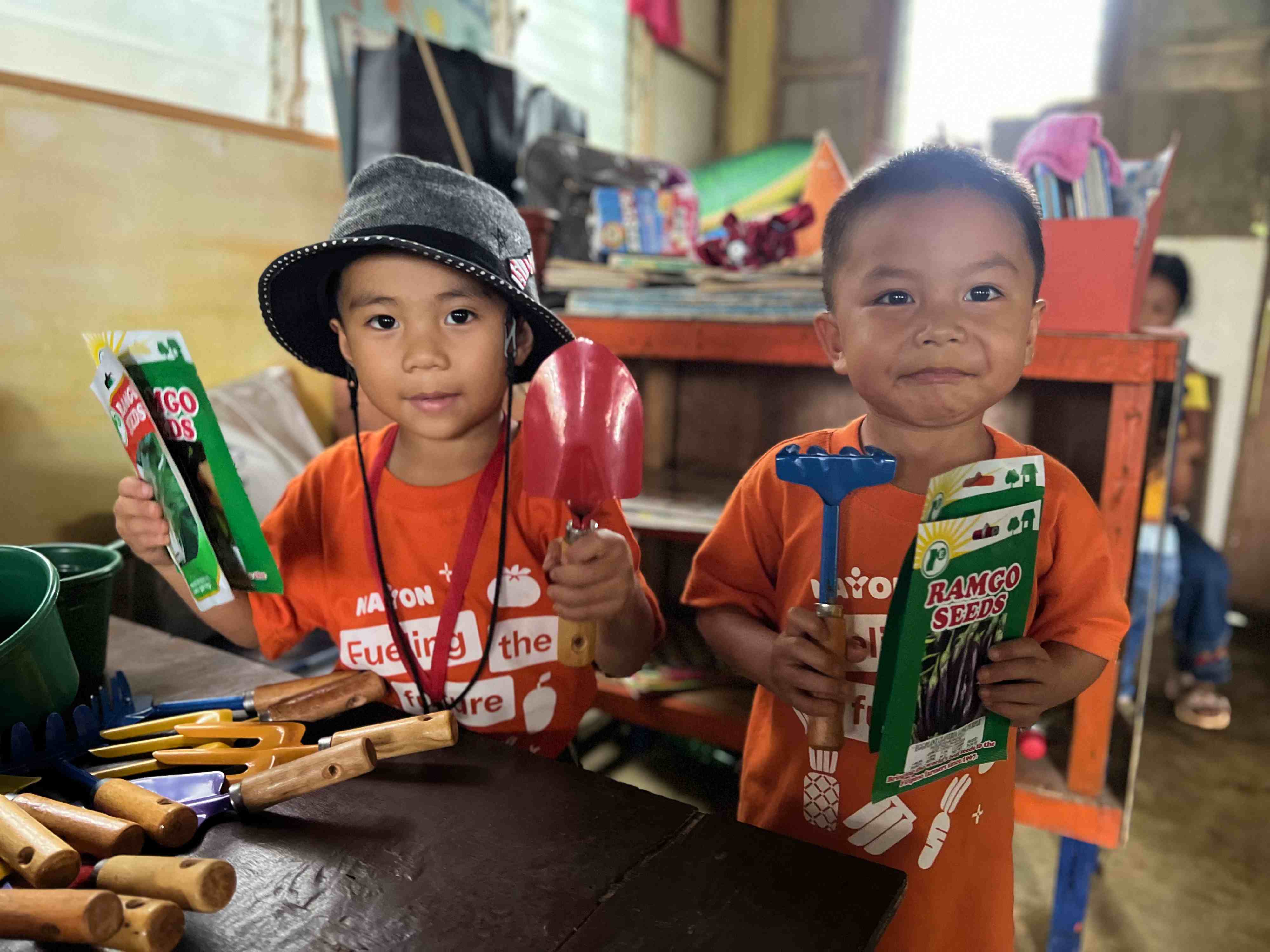
Every child leaves with seeds, a compost kit and knowledge from building the daycare garden. When families grow food at home together, children eat more diversely and parents become active participants in building better habits, not just observers.
A first science lesson
Garden programs measurably increase nutrition knowledge, reduce reluctance to try new foods, and build the kind of curiosity that carries beyond the program. A child who grows something has learned observation, patience, and cause and effect.
Nothing from this garden goes to waste.
COMPOSTING

Today's scraps feed tomorrow's harvest

We teach every family a simple practice — food scraps from the kitchen go back into the soil. This is both a climate act and it directly improves the quality of the food that family can grow.

PHILIPPINES SOIL HEALTH

Beneath every harvest

Good soil is the foundation of good nutrition. In the communities we work in, that foundation has been quietly eroding for decades and the food families grow reflects it.

Read more →
Children who compost think differently
Evidence shows that composting helps children become more conscious of connections between their practices and their impact around them.
A climate act, not a byproduct
Globally, food waste contributes to roughly 8% of annual greenhouse gas emissions. Every household that composts removes itself from that cycle.
The most accessible climate action available
No equipment, no cost, no expertise required.
Better soil, more nutritious food
Most soil families grow with is depleted. Returning organic matter rebuilds its fertility, meaning the next harvest is more nutritious than the last.
A habit that spreads without a program
Unlike most interventions, composting is visible, practical, and easy to share. Neighbours who see it working adopt it themselves.
starting hygiene habits

Practice makes perfect

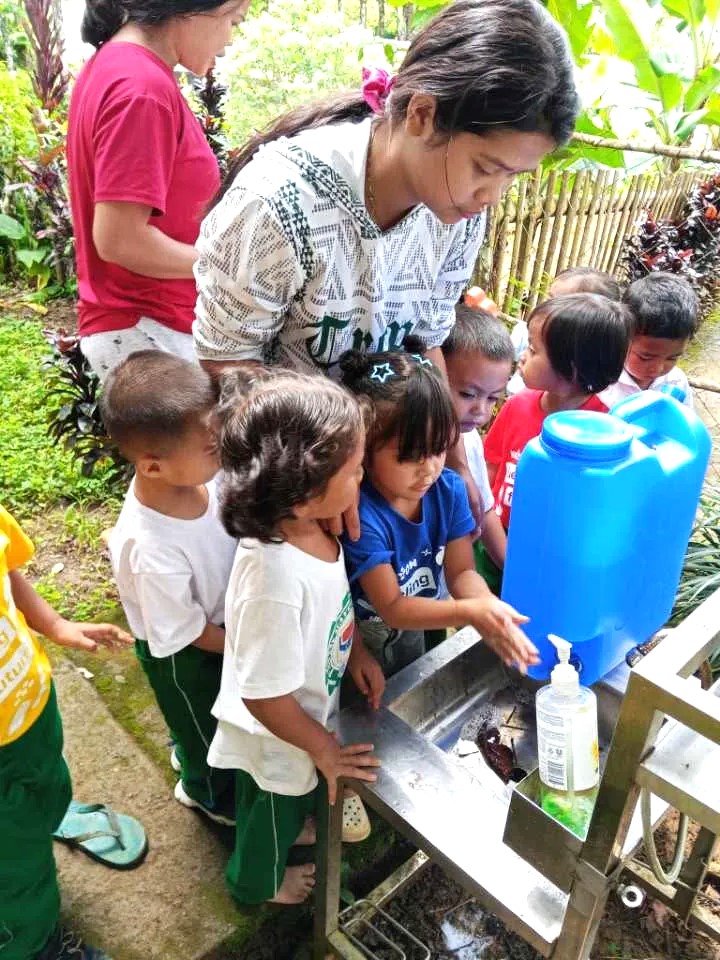
What we offer isn't new information. It's a structured, practical exercises that make it real: handwashing done together, teeth brushed in front of a mirror. Every visit is designed to leave something behind, whether its a habit started, a routine modelled, a bar of soap and a tube of toothpaste provided to get the habit started. The goal isn't to be there forever. It's to make the habit easier to keep.
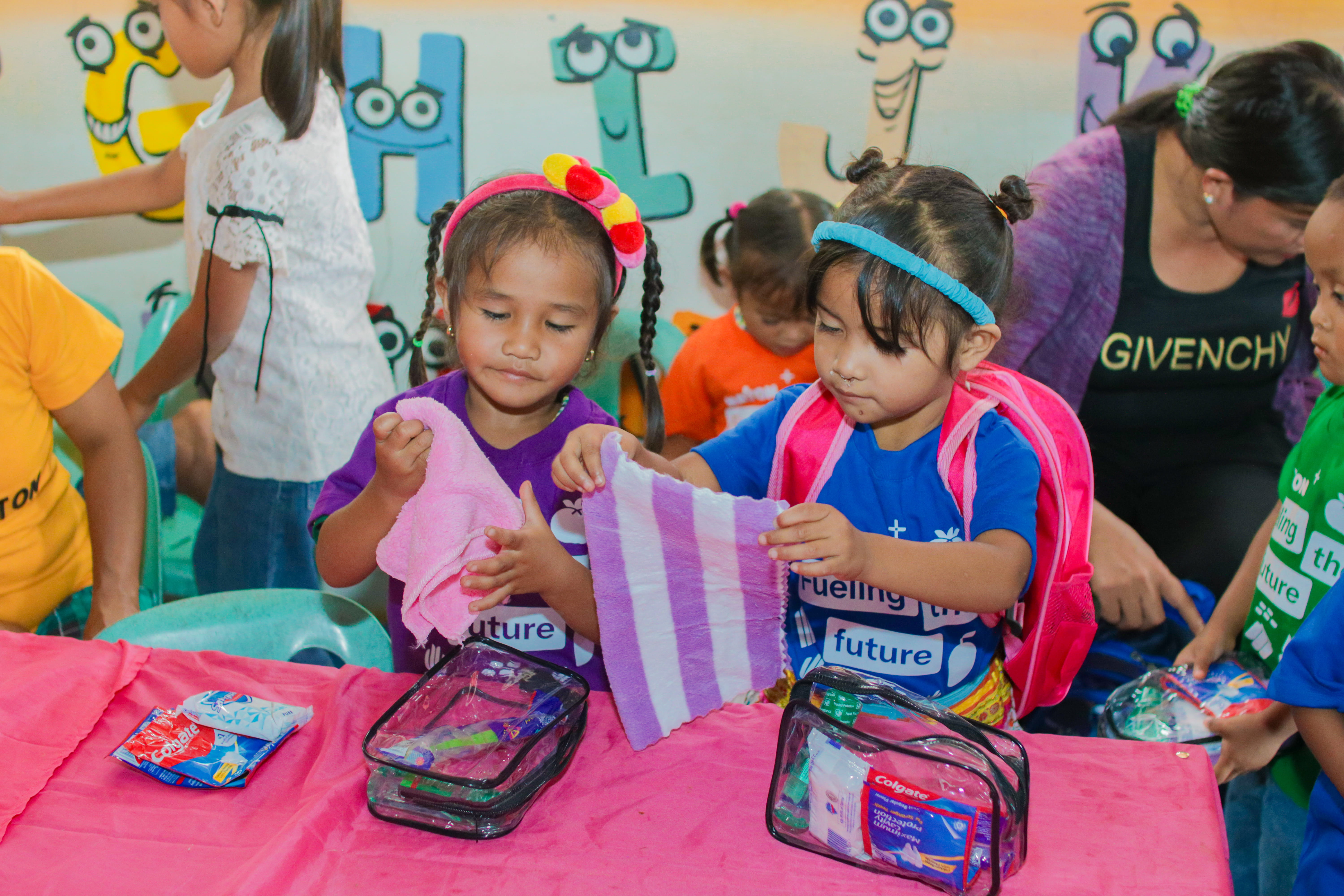
Just in case...
Soap and toothpaste packages given to every household to remove the barrier to starting.
Together
Handwashing, food handling, and oral care done together. Demonstrated with everyone. Repeatedly.
How we work with local governments

Open the door,
we'll bring the program

We will shoulder the majority of program costs. What we ask from local government is minimal — and we're flexible even on that. If there's a will, there's a way make it work in your community.

nayon covers
We run the program from start to finish

From the daycare to cooking classes, our team handles everything. Local facilitators,  printed materials,  activity packages, composting systems, and knowledge all resourced and managed by us at no cost to the local government unit.

Cooking Class Food
Instructors
Program Oversight
Children's Gardening Equipment
Household Compost Systems
Hygiene Kits
talk to us
we ask from you
Local expertise and logistics

Three things to get the program off the ground in your community: daycares partners, cooking venues, and transporting parents.

Official Endorsement
Daycare Selection
Daycare Garden Soil
Cooking Class Venue
Transportation

Budget constrained? We're open to additional co-funding.

Voices from the community

In their own words

Nutrition education should be a priority for every family. If children grow up healthy, they'll learn more  and they'll give back more.
Josephine
Child Development Worker, Pasil CDC
Proper nutrition shapes everything: health, brain development, and the child's ability to realize their dreams.
Luzminda
Barangay Nutrition Scholar (BNS)
As parents, we are also happy because our children are happy, so it brings us even more joy. Let's keep going.
Manilyn
Parent, Brgy. Bagong Silang
I hope this program continues and that other parents will learn how the ingredients of meals can impact their children.
Analine
Parent, Brgy. Bagong Silang
Sources

1. World Bank — Undernutrition in the Philippines: Scale, Scope, and Opportunities (2021)   worldbank.org/en/country/philippines/publication/undernutrition-philippines
2. UNICEF Philippines — Transforming Nutrition in the Philippines (2024)   unicef.org/philippines/stories/transforming-nutrition-philippines
3. Nutrition International — The Right Start to Life: First 1,000 Days, Philippines   nutritionintl.org
4. . School-based gardening, cooking and nutrition   intervention increased vegetable intake. International Journal of Behavioral   Nutrition and Physical Activity. Davis, J.N. et al. (2021) UT Austin / Texas Sprouts study.  doi.org/10.1186/s12966-021-01087-x
5. Community Preventive Services Task Force (2017). Nutrition: Gardening   interventions to increase fruit and vegetable consumption among children.  thecommunityguide.org
6. Frequency of eating homegrown produce is   associated with higher intake among parents and their preschool-aged children.  Journal of the American Dietetic Association. Nanney, M.S. et al. (2007). 107(4): 577–584.
7.  ACIAR (2024) - Managing soil contaminants for safer, healthier vegetable production in the Philippines.
8. UNESCO (2017) - Education for Sustainable Development. Implementation of Composting Programs in Elementary Schools.