foundation
Understanding
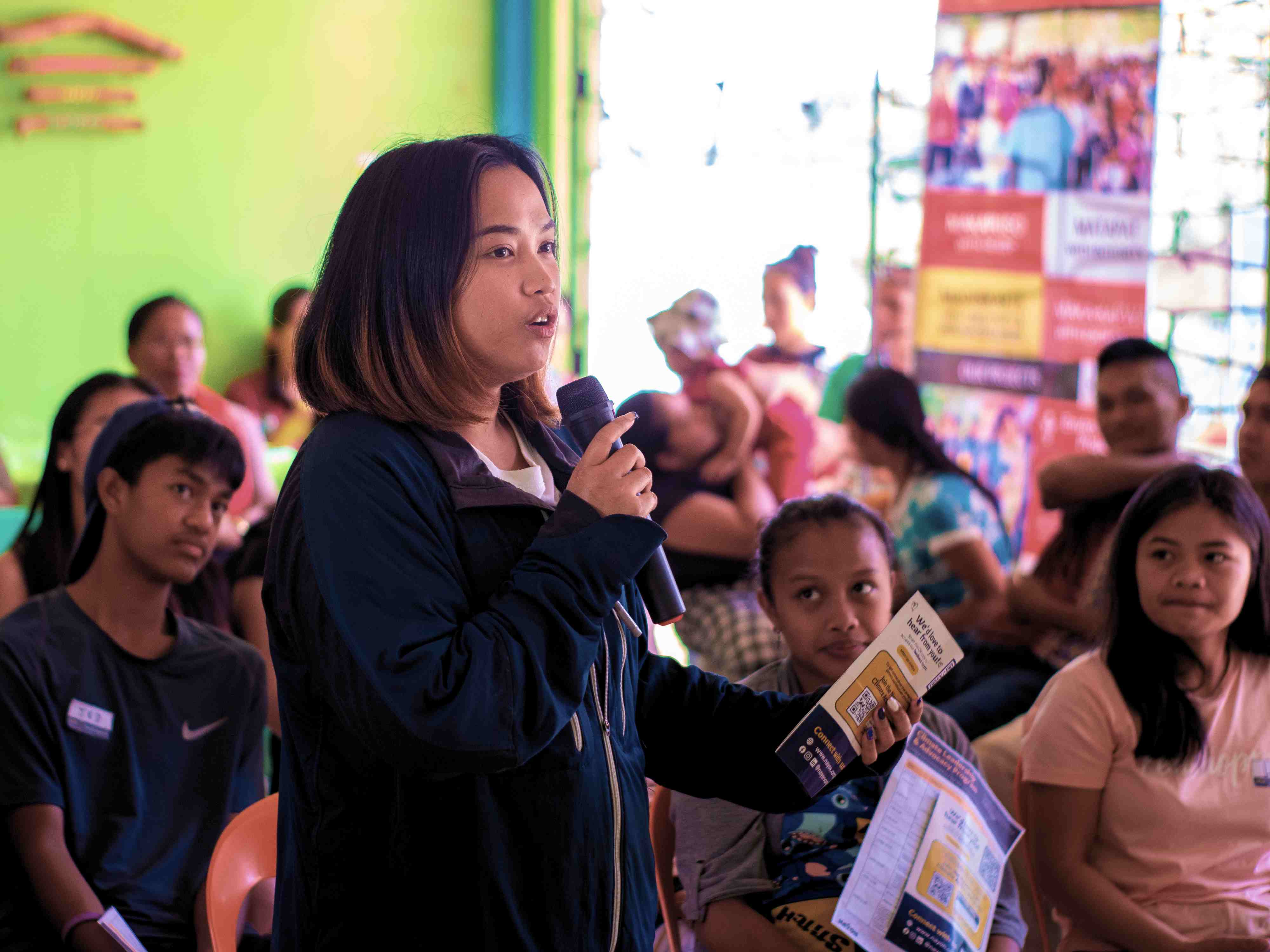
Leadership starts with understanding. Participants build fluency in climate science and systems thinking through conversations with community leaders and LGU partners navigating these challenges firsthand.
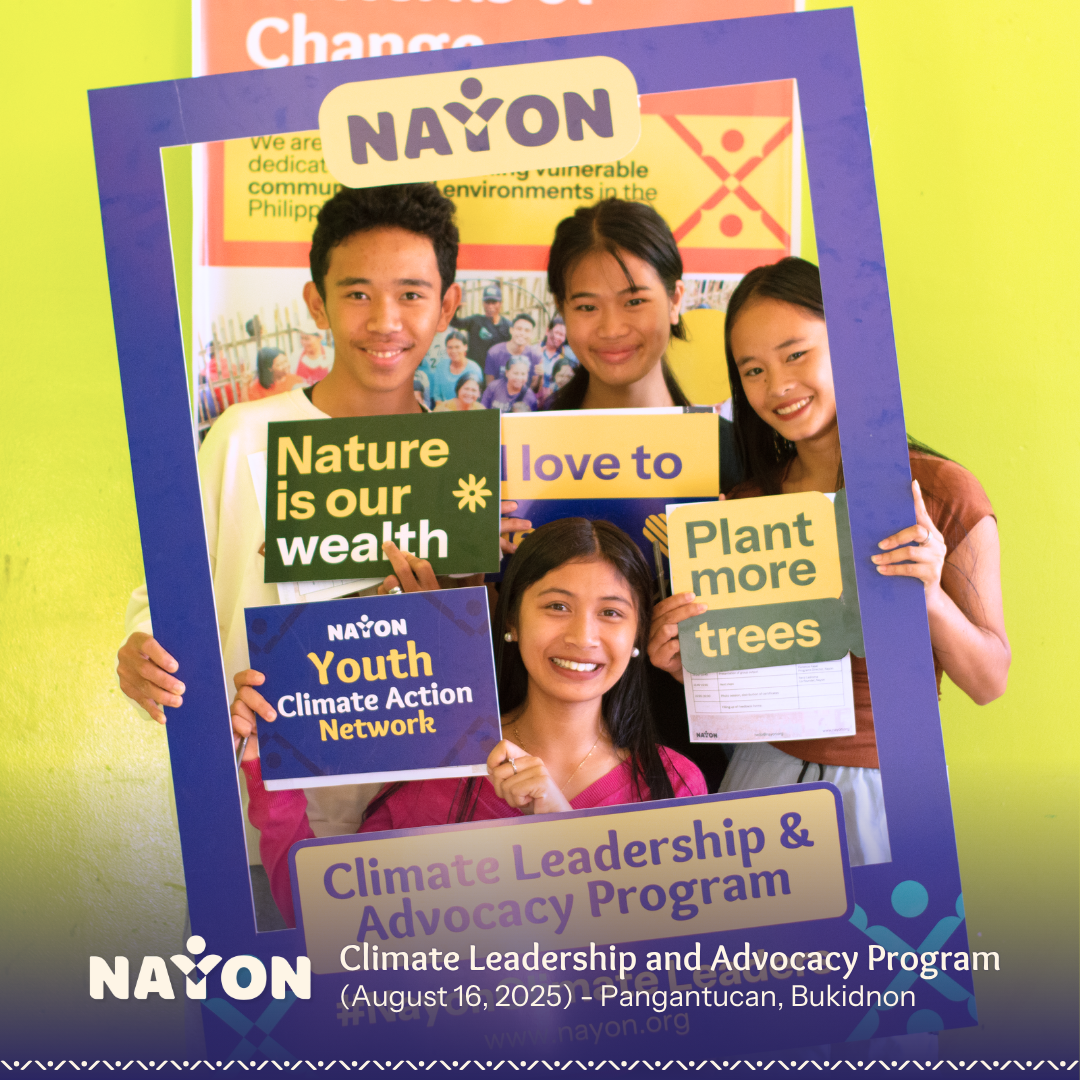
Our Climate Leadership Program equips community leaders across the Philippines with the knowledge, tools, and networks to adapt, advocate, and act — in their own communities, on their own terms.
Across the communities on the font lines of climate change, young people are growing up — watching coastlines shift, harvests fail, and communities strain under pressures they didn't create. Many of them have the drive and intelligence to lead. What they lack is the structured, sustained experience that turns potential into capability. That gap isn't accidental. It's the product of systems that are out-dated and designed for budget cycles and institutional calendars.
The Climate Leadership Program creates conditions for leadership to develop through real work, real accountability, and sustained mentorship inside communities navigating real environmental challenges.
Leadership starts with understanding. Participants build fluency in climate science and systems thinking through conversations with community leaders and LGU partners navigating these challenges firsthand.
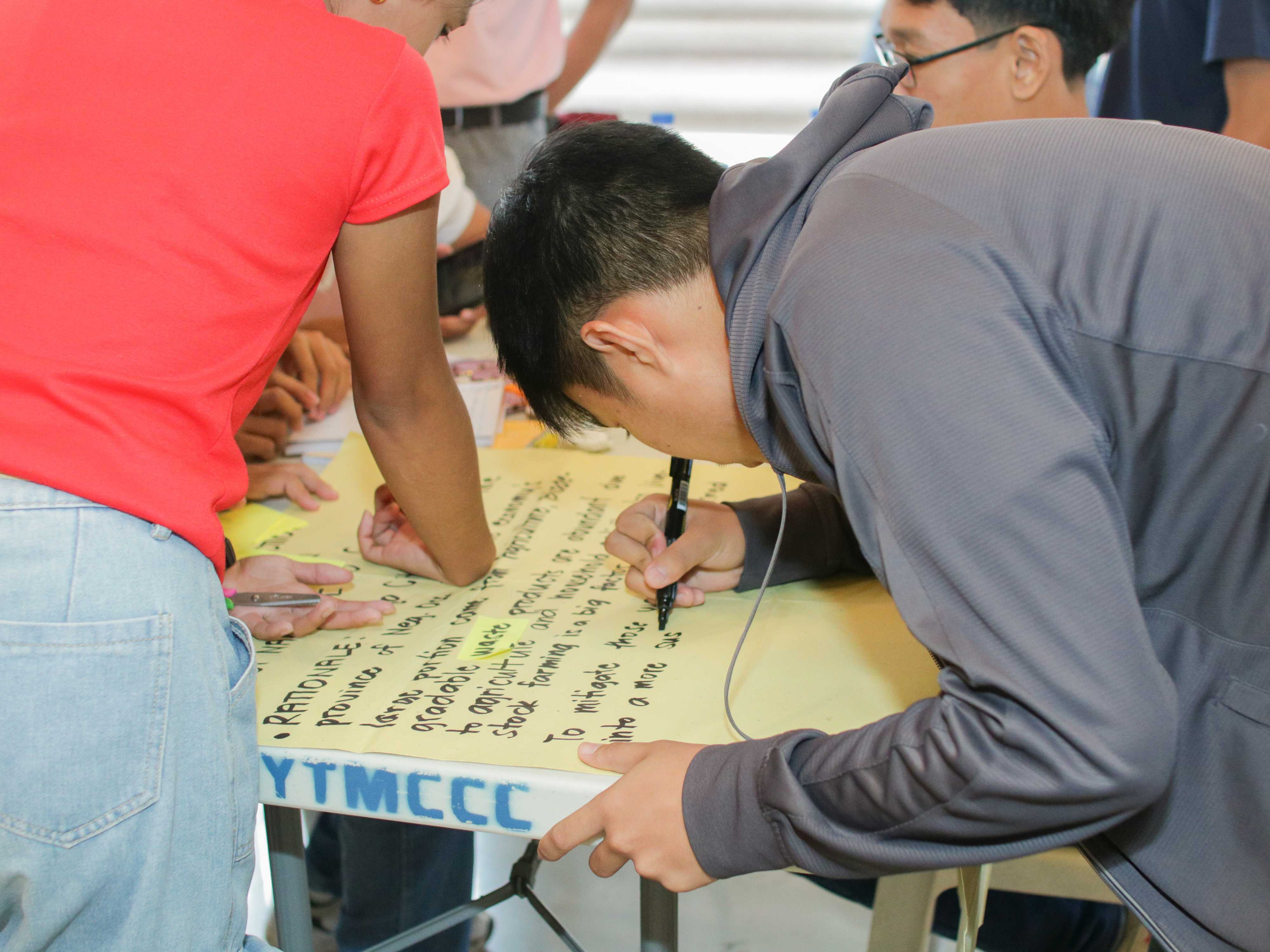
With context established, participants design the initiatives they'll lead. They develop implementation plans and learning budgeting, coordination, and project management by doing them.
Participants bring everything together here by taking ownership of real initiatives and discovering what leadership looks like when the stakes are real and impacting their community.
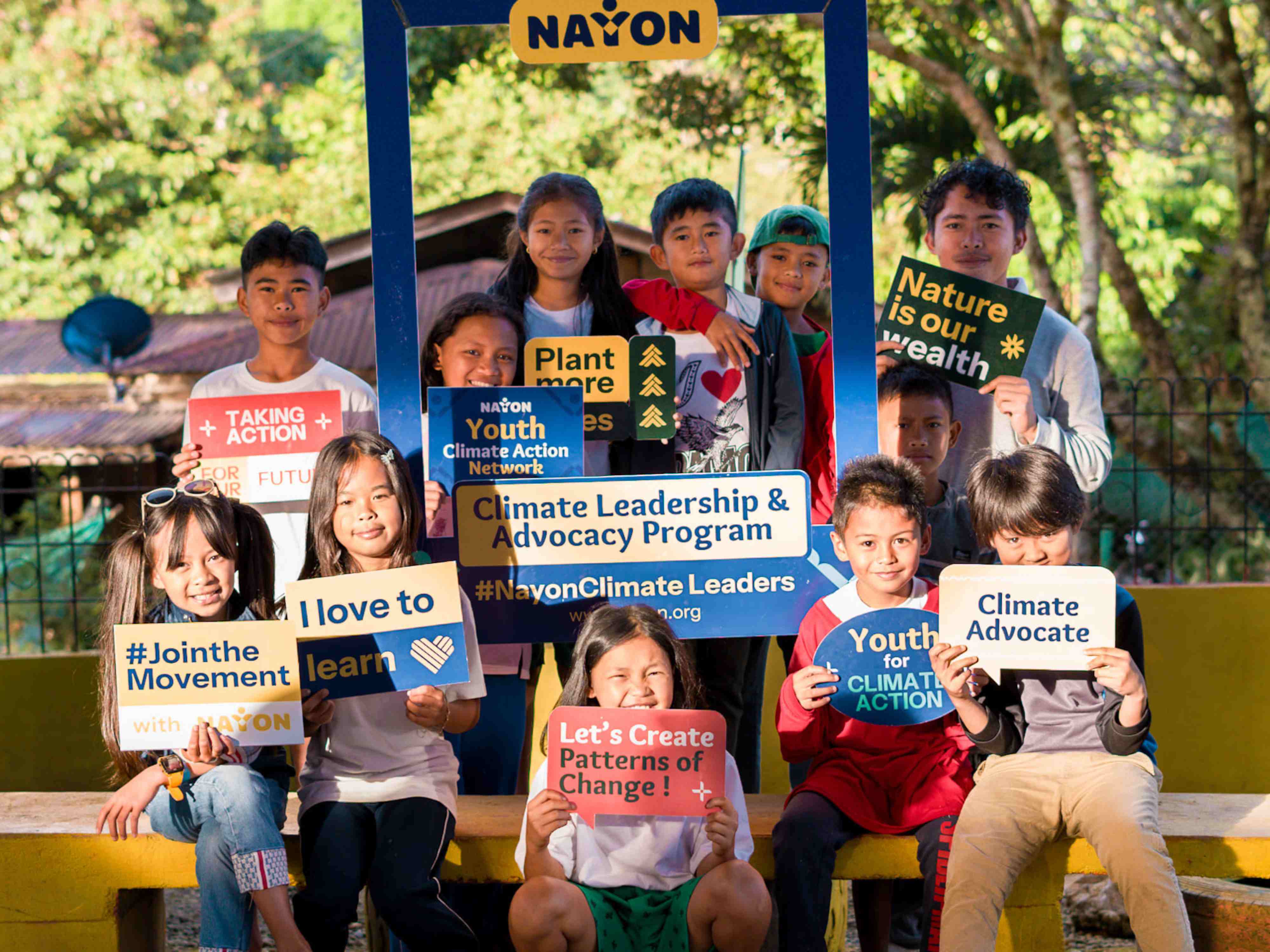
While we're focused on working with youth ages 13-18, we're open to all ages joining our program. Previous cohorts have brought together participants from age 12 to 70: students and elders, barangay youth reps and community organizers, teachers and first-time leaders. What they share is a readiness to act.
Intensive foundational sessions covering climate science, local governance, and community project planning, laying the groundwork for every component that follows. Through expert panels, peer discussion, and hands-on budget and project planning exercises, candidates build the practical knowledge and local context to create impact in their communities.
Hands-on training in organic waste management — candidates build and maintain composting systems that reduce landfill waste, cut methane emissions, and restore degraded soil in their barangay. Through facilitated sessions and direct practice, they develop the technical knowledge and confidence to establish composting as a lasting, community-led program.
Candidates step into the role of educator by facilitating learning sessions for children and community members across schools in their barangay. This component multiplies the program's reach by equipping each candidate with the facilitation skills and materials needed to spread learning outward, introducing the next generation to the environmental concepts and habits during their formative years.
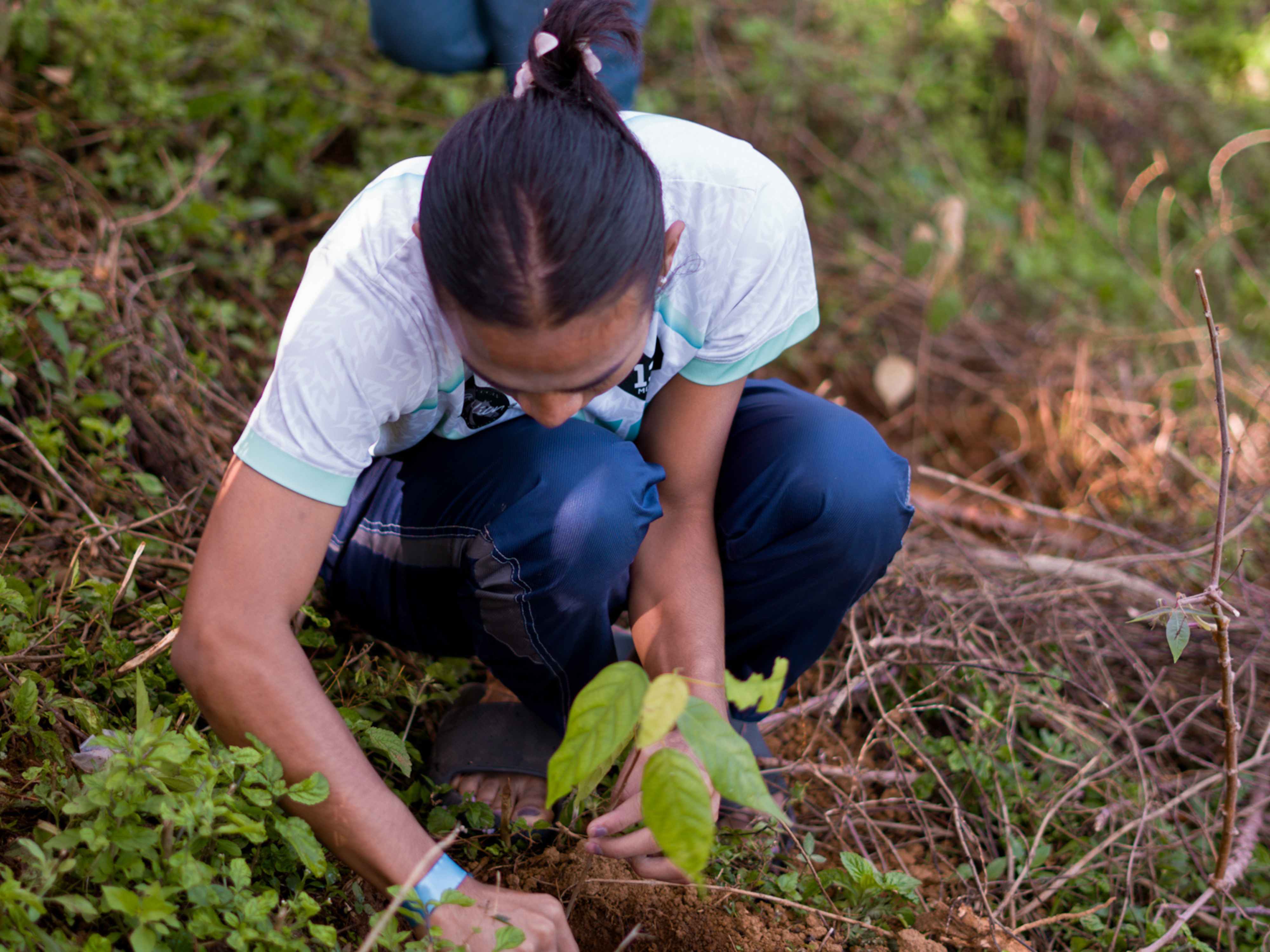
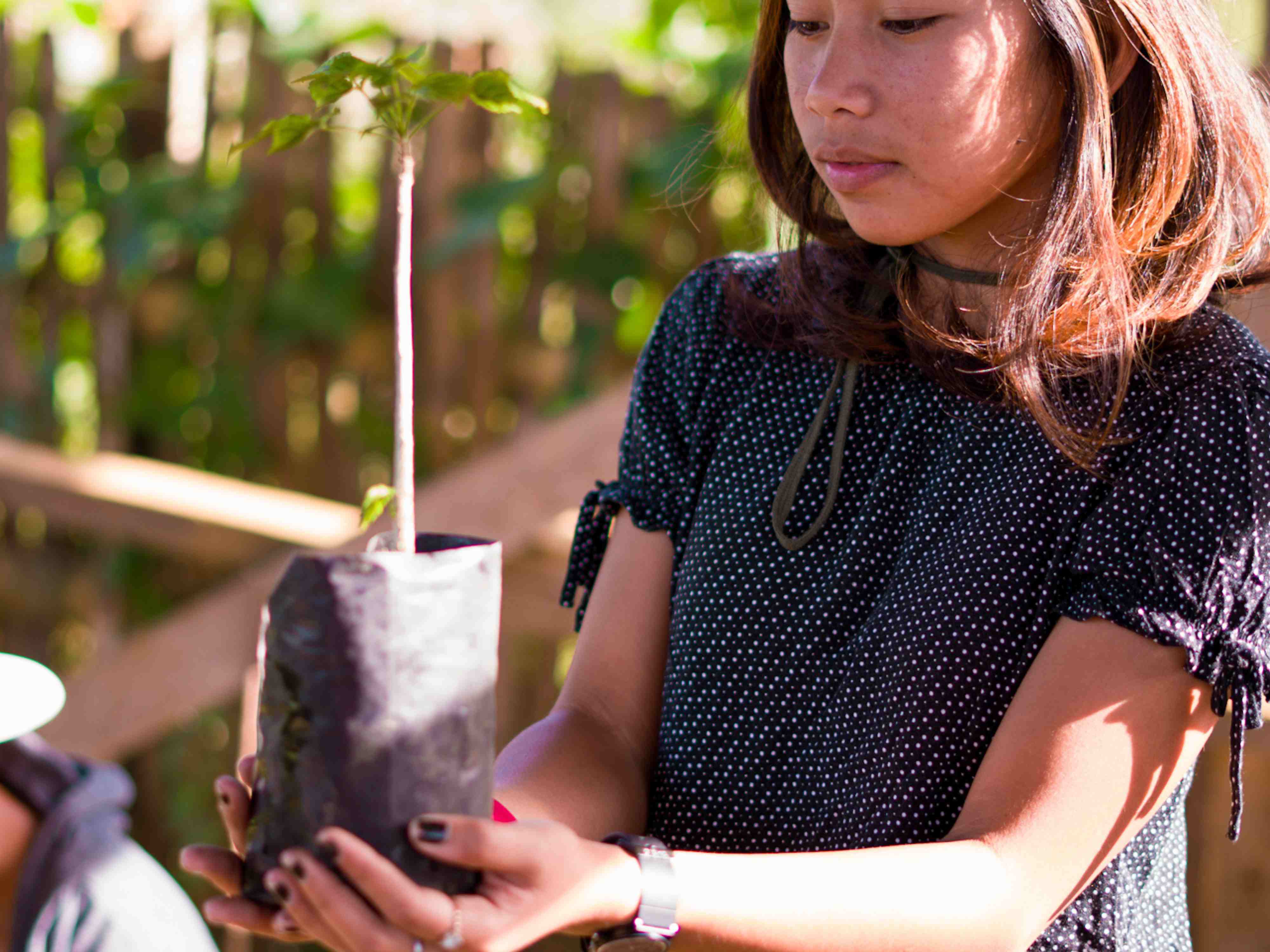
Candidate-led reforestation and community mobilization includes organizing neighbors, working with DENR and the LGU to identify tree species and planting sites, and leading a collective environmental commitment. This final component puts leadership and community organizing into practice, culminating in a concrete, visible and memorable contribution to their communities environmental health.
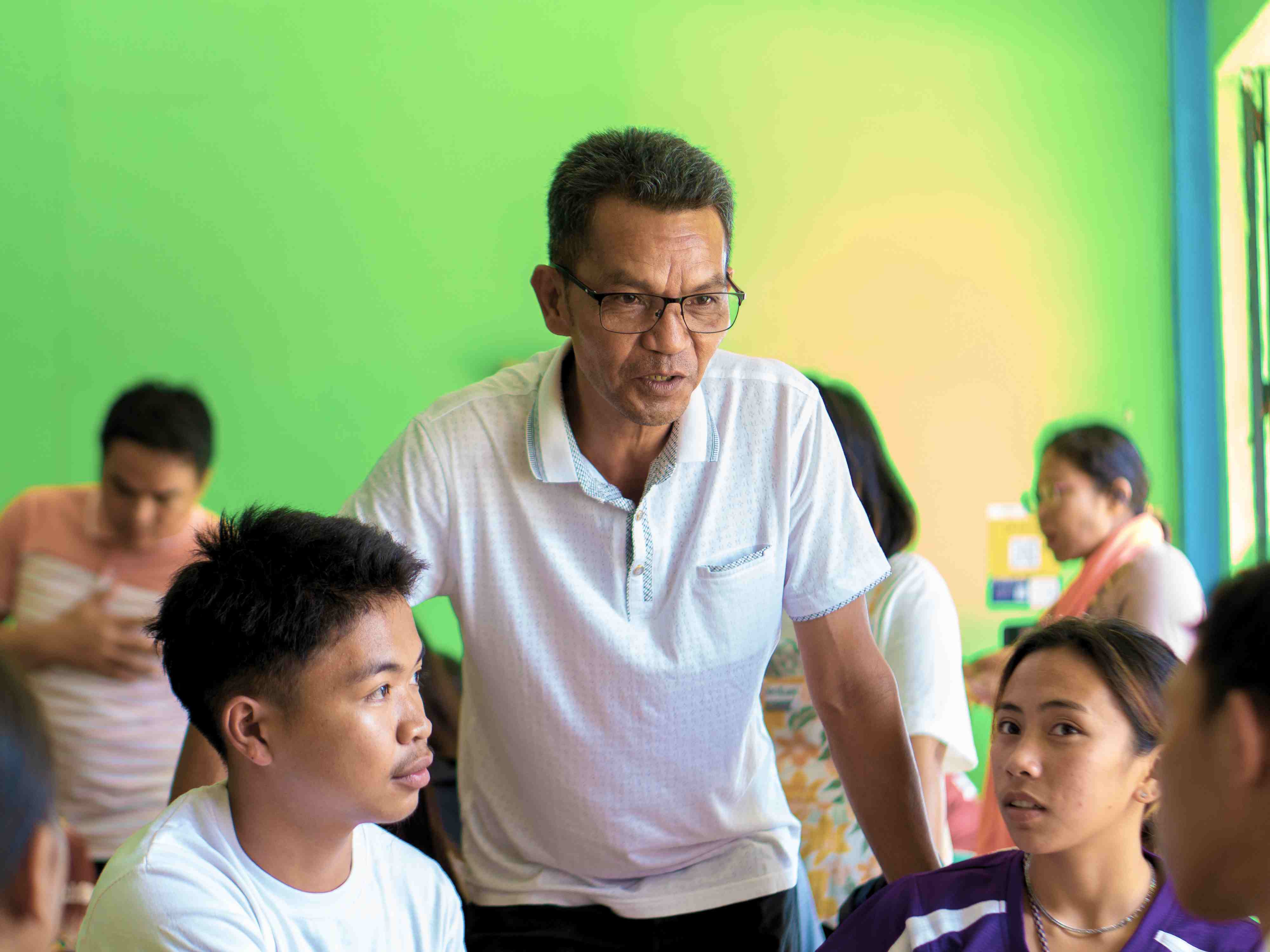
Leadership is a responsibility. We take equally seriously our responsibility to train, equip, and support the people who carry it.
A structured learning journey covering climate science, governance, and community-led action built around the issues impacting your community.
Guided by our facilitators and program alumni throughout — and beyond graduation, as you begin looking for opportunities to develop projects inside your community.
Connections to a growing cohort of climate leaders across the Philippines that shares knowledge, resources, and solidarity.
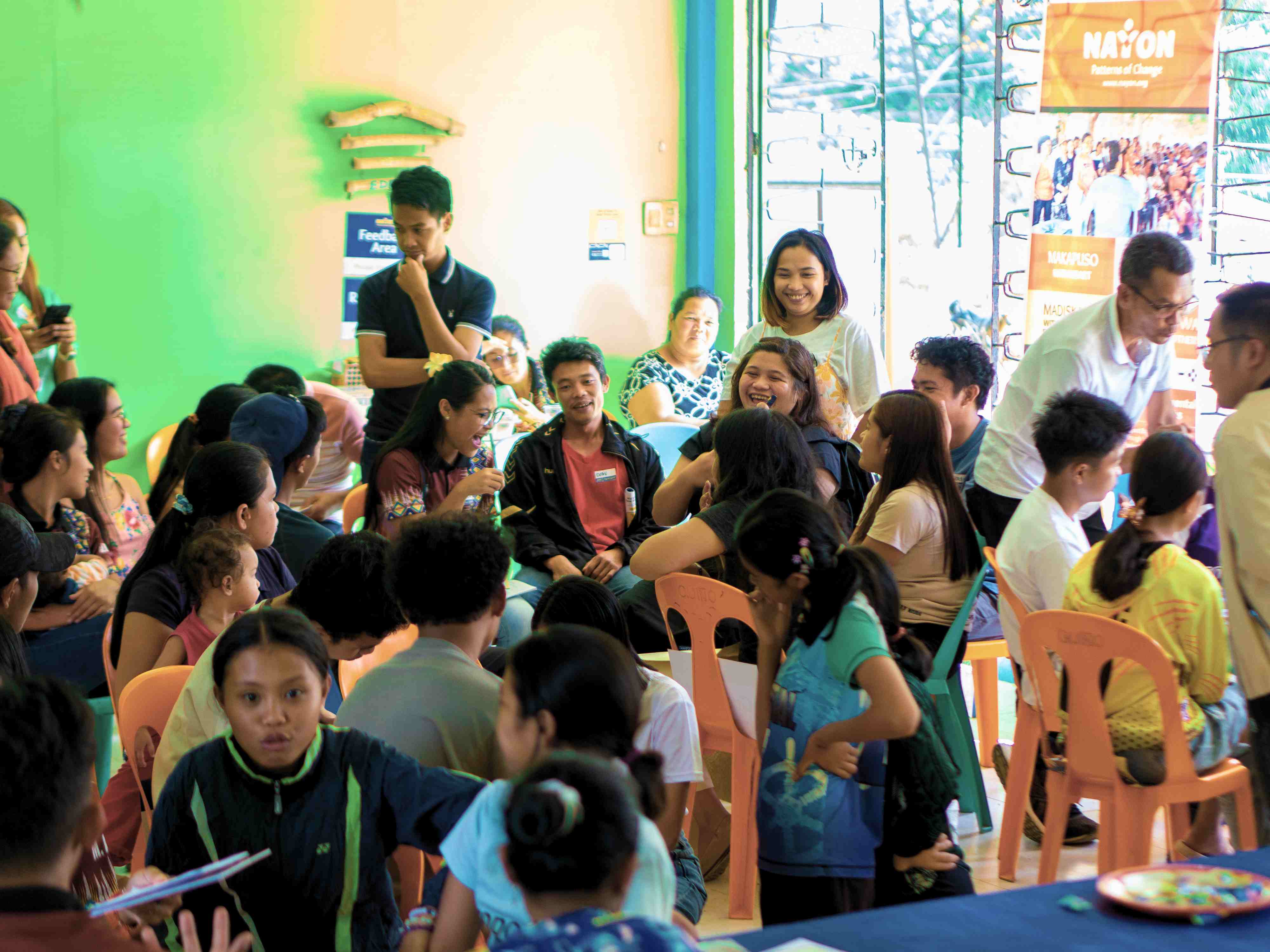
Each year we look for opportunities to provide our alumni with funding, resources and introductions to international partners to support their projects.
Demonstrated leadership opens real doors — including opportunities to work alongside Nayon, join future project teams, be recommended to our local partners looking to expand their teams.
Alumni remain in the Nayon community and are invited to future events, national forums, and cohort activities, with continued access to the people, resources, and network built through the program.
Each completed cohort creates the same set of tangible outcomes: Trained people, momentum, and relationships that keep the work moving without us. The composting sites keep running. The trees stay planted. The youth leaders stay connected. The community moves forward.




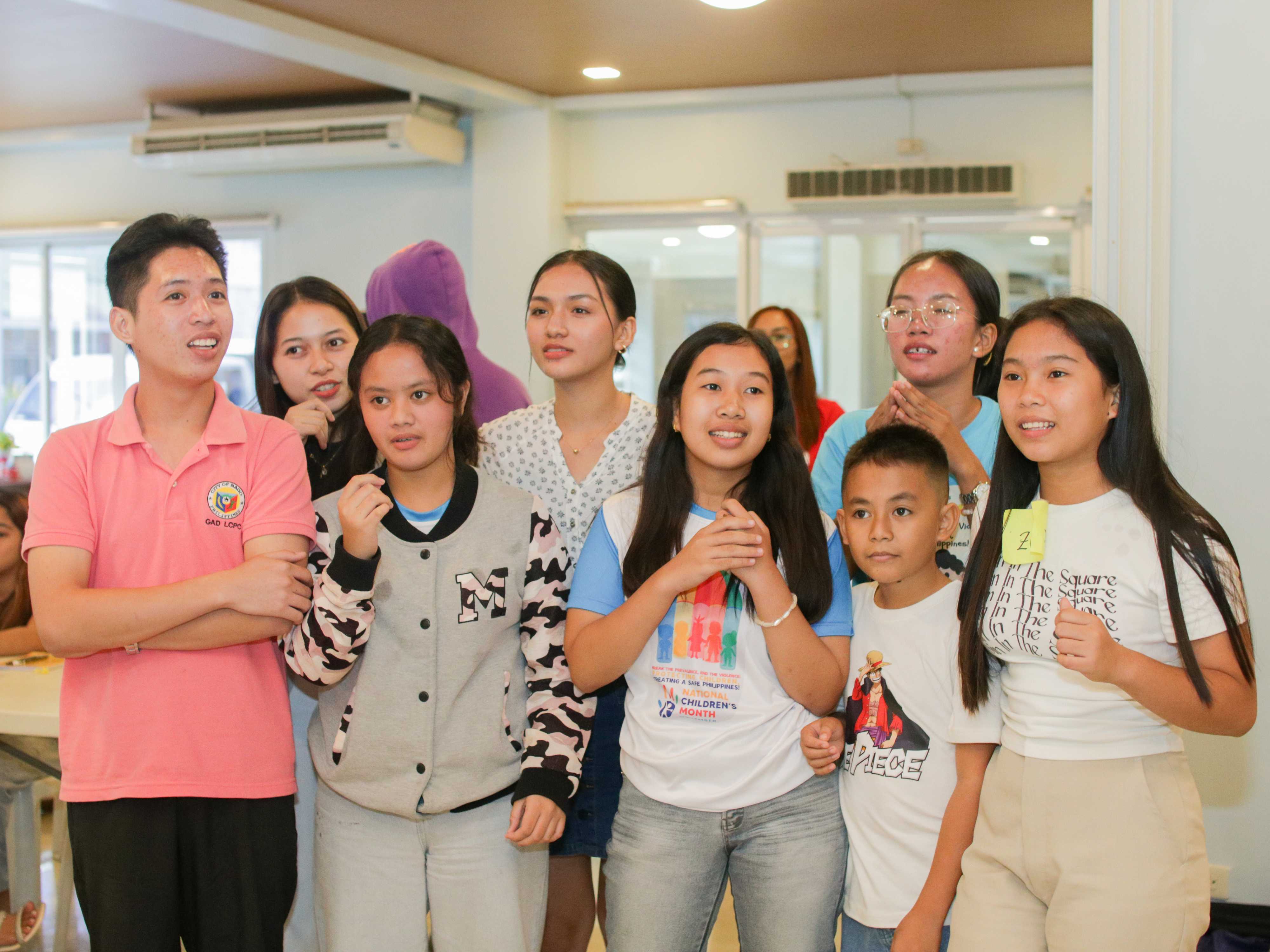
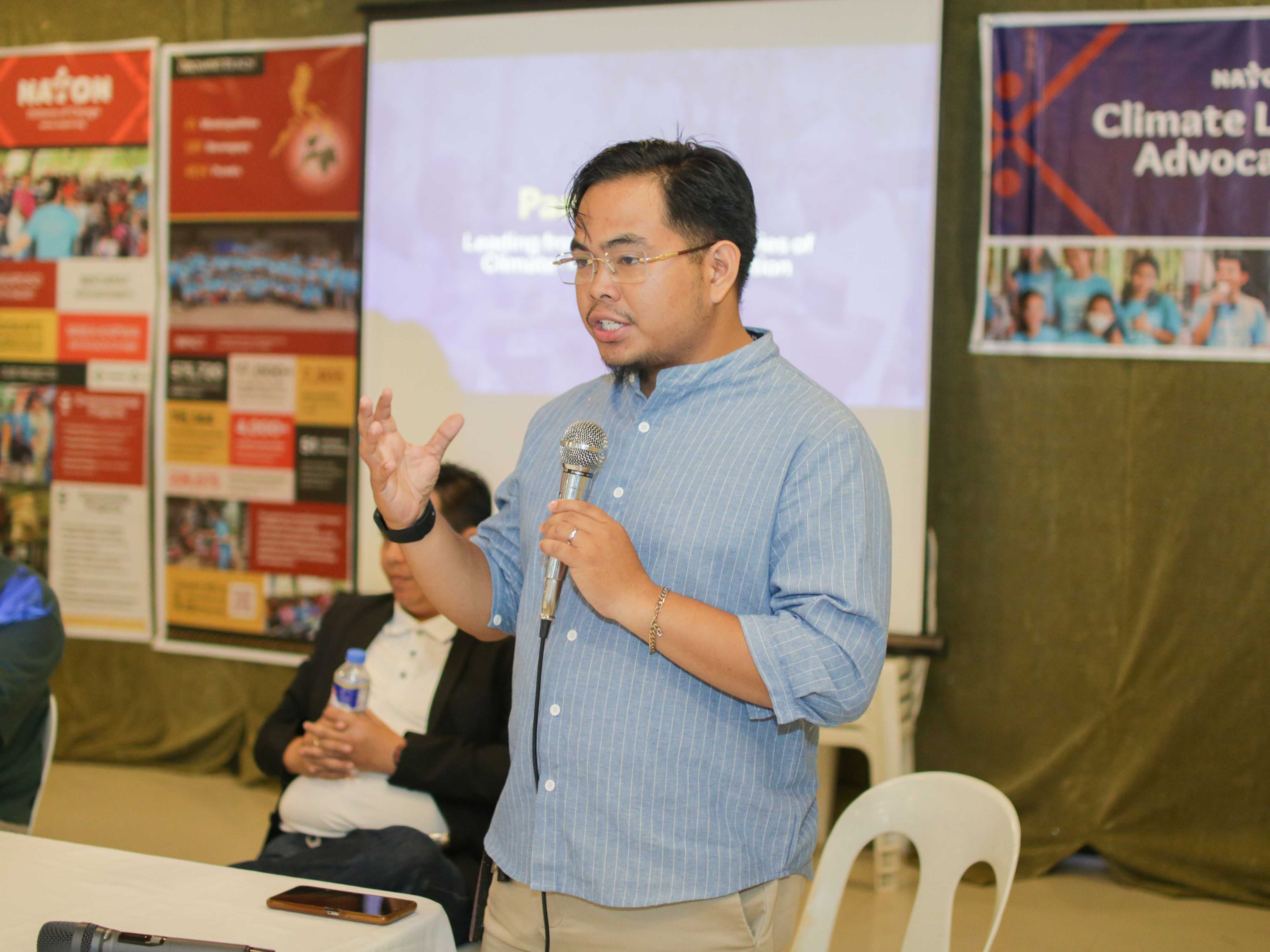
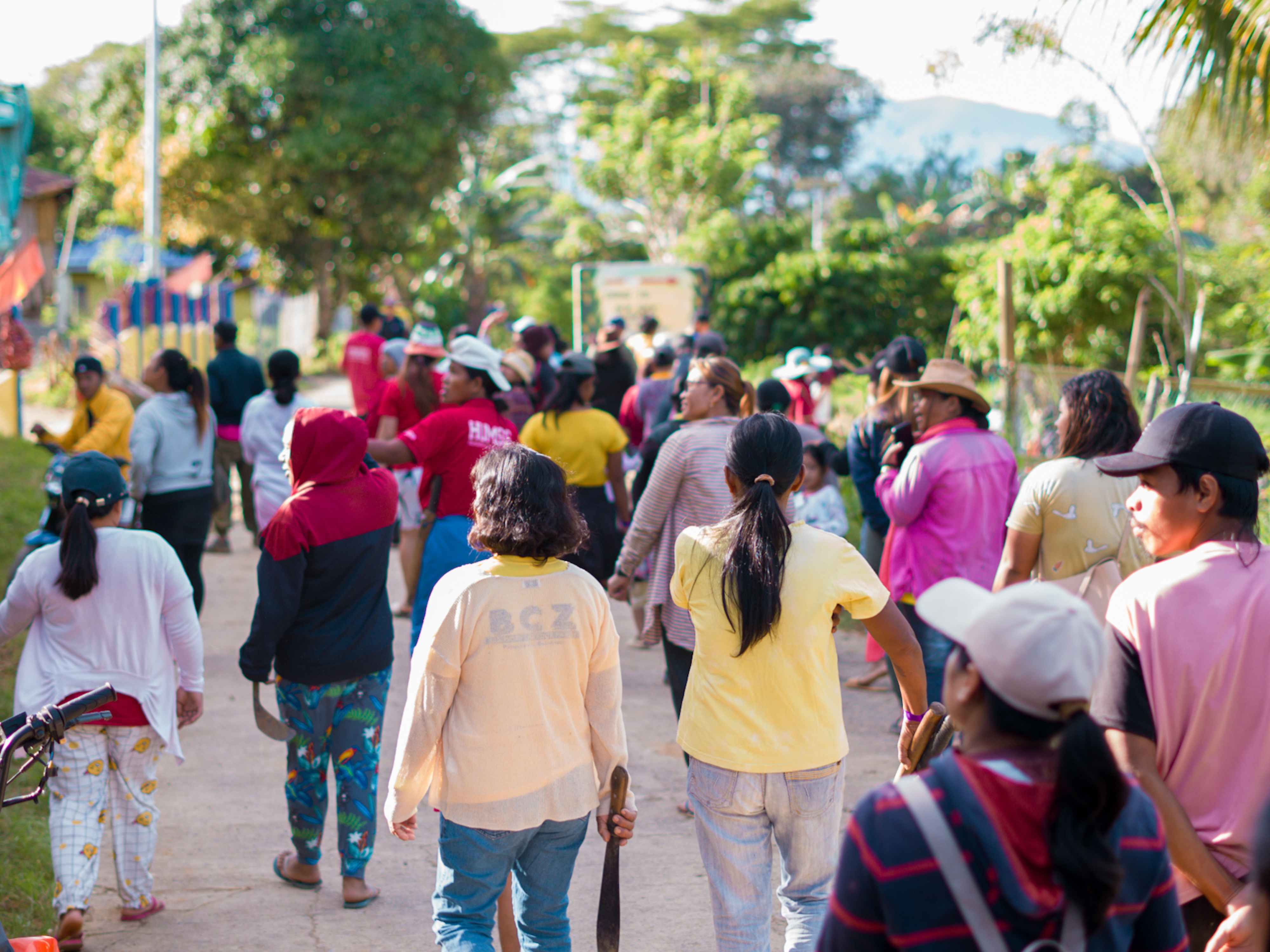
The CLP graduates of Barangay New Eden organized, planned, and led a community tree planting event at the foot of Mt. Kalatungan. By the end of the day, 257 participants from ages 10 to 70 had planted over 2,000 trees across two sites. The event was well attended, including the Municipal Vice Mayor getting involved. We've learned that we need many more seedlings for future events!
"Age is not a blocker when everyone cooperates. Young people can bring a community together when they put their hearts and minds into it."
— Gerico, CLP Graduate & Teacher, New Eden Elementary School
We will shoulder the majority of program costs. What we ask from local government is minimal — and we're flexible even on that. If there's a will, there's a way make it work in your community.
From the classroom to the field, our team handles everything. Local facilitators, national partners, printed materials, activity packages, composting units, and long-term alumni support — all resourced and managed by us at no cost to the local government unit.
Three things to get the program off the ground in your community. Candidates, training and activity venues, and transporting people.
Budget constrained? We're open to co-funding.
.jpg)